5 STAR QUALITY SERVICE
Advanced Ceramic Coating Techniques: Professional-Grade Paint Protection Explained
The era of weekend waxing has come to an end. In 2026, vehicle owners who demand the absolute best in paint protection have moved beyond temporary surface treatments to permanent, chemical-bonded solutions that transform their vehicle's finish into a resilient, self-cleaning shield. Ceramic coating technology has evolved dramatically, and the gap between consumer-grade spray products and professional liquid polymers has never been wider.
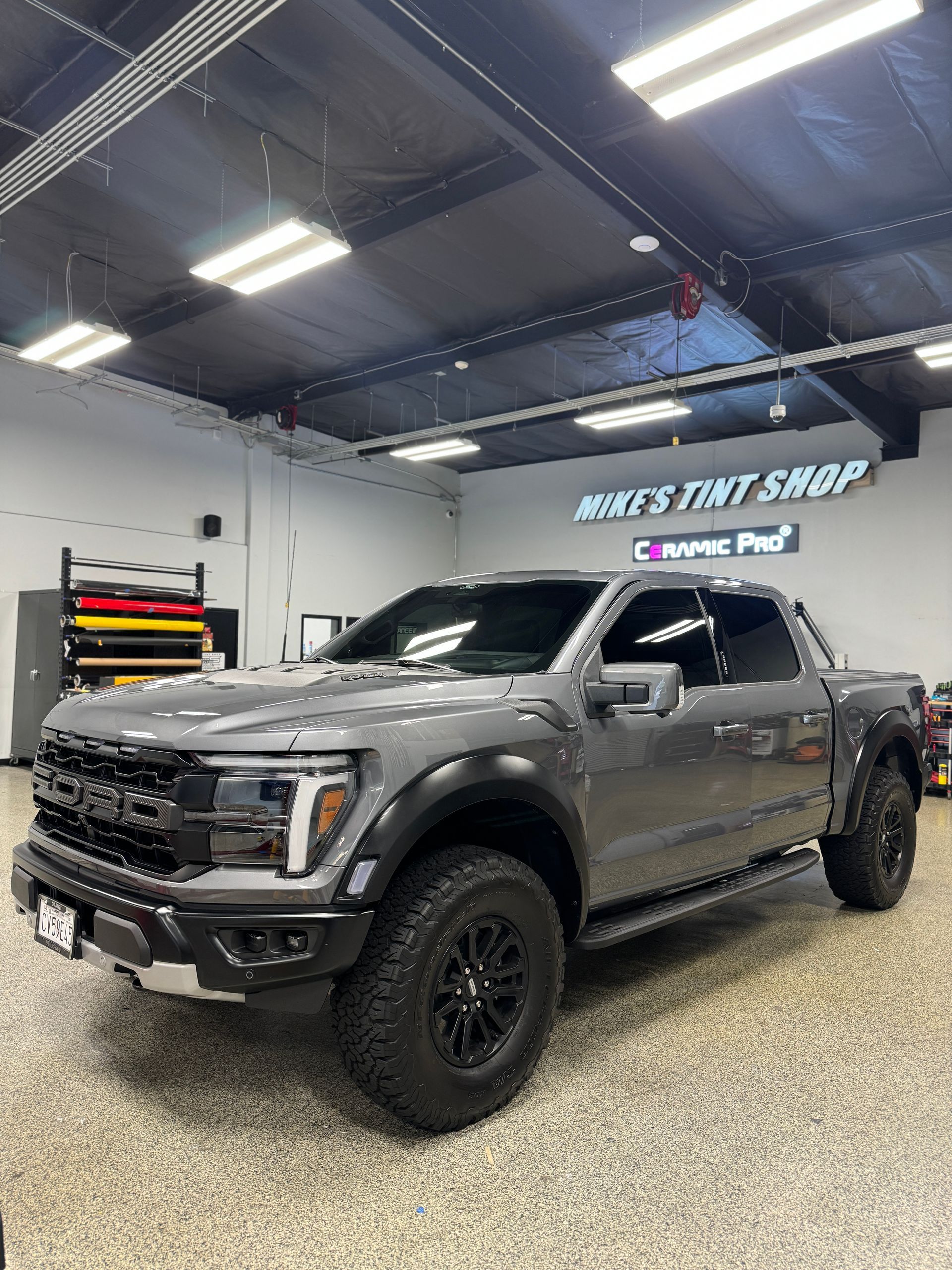
At Mike's Tint Shop, we don't just apply ceramic coatings. We execute advanced techniques that require precision surface preparation, professional-grade equipment, and an understanding of the chemistry behind nano-ceramic technology. The difference between a coating that lasts two years and one that protects for five or more comes down to methodology, not just the product itself.
This guide takes you inside the professional detailing studio to understand what truly makes an advanced ceramic coating application worth the investment.
The Foundation: Advanced Surface Decontamination
Before a single drop of ceramic coating touches your vehicle's paint, the surface must be brought to a level of cleanliness that goes far beyond what any car wash can achieve. This is where most DIY attempts fail before they even begin.
Beyond the Standard Wash: Your vehicle's paint accumulates contaminants that bonded washing cannot remove. Industrial fallout, brake dust particles, and iron deposits embed themselves into the clear coat, creating an uneven surface at the microscopic level. Professional decontamination begins with specialized iron removers that chemically dissolve these ferrous particles. You'll see this product turn purple as it reacts with embedded iron, pulling contaminants to the surface where they can be safely rinsed away.
Next comes the clay bar treatment. Even after chemical decontamination, your paint surface retains bonded contaminants that feel smooth to the untrained hand but create an uneven canvas under magnification. A clay bar glides across lubricated paint, mechanically grabbing and removing these remaining particles. The result is a surface that feels like glass when you run your hand across it.
The IPA Wipe: The Critical Final Step: Here's where preparation becomes truly advanced. After all mechanical and chemical decontamination, any residual oils, waxes, or polishing compounds must be completely eliminated. This is accomplished with an Isopropyl Alcohol (IPA) wipe at the proper dilution ratio. This step strips away everything except the bare clear coat, creating the ideal surface for chemical bonding.
Skip or rush this step, and your coating will fail prematurely. The ceramic coating cannot form molecular bonds with polish residue or protective waxes. It needs direct contact with the clear coat itself. This single step separates successful long-term applications from coatings that begin delaminating within months.
Precision Paint Correction: The Secret to the Mirror Finish
Think of ceramic coating like a transparent sheet that locks in whatever condition exists beneath it. If your paint has swirl marks, oxidation, or micro-scratches, the coating will preserve and even amplify these imperfections under certain lighting conditions. This is why advanced ceramic coating techniques always include paint correction as a mandatory step, not an optional upgrade.
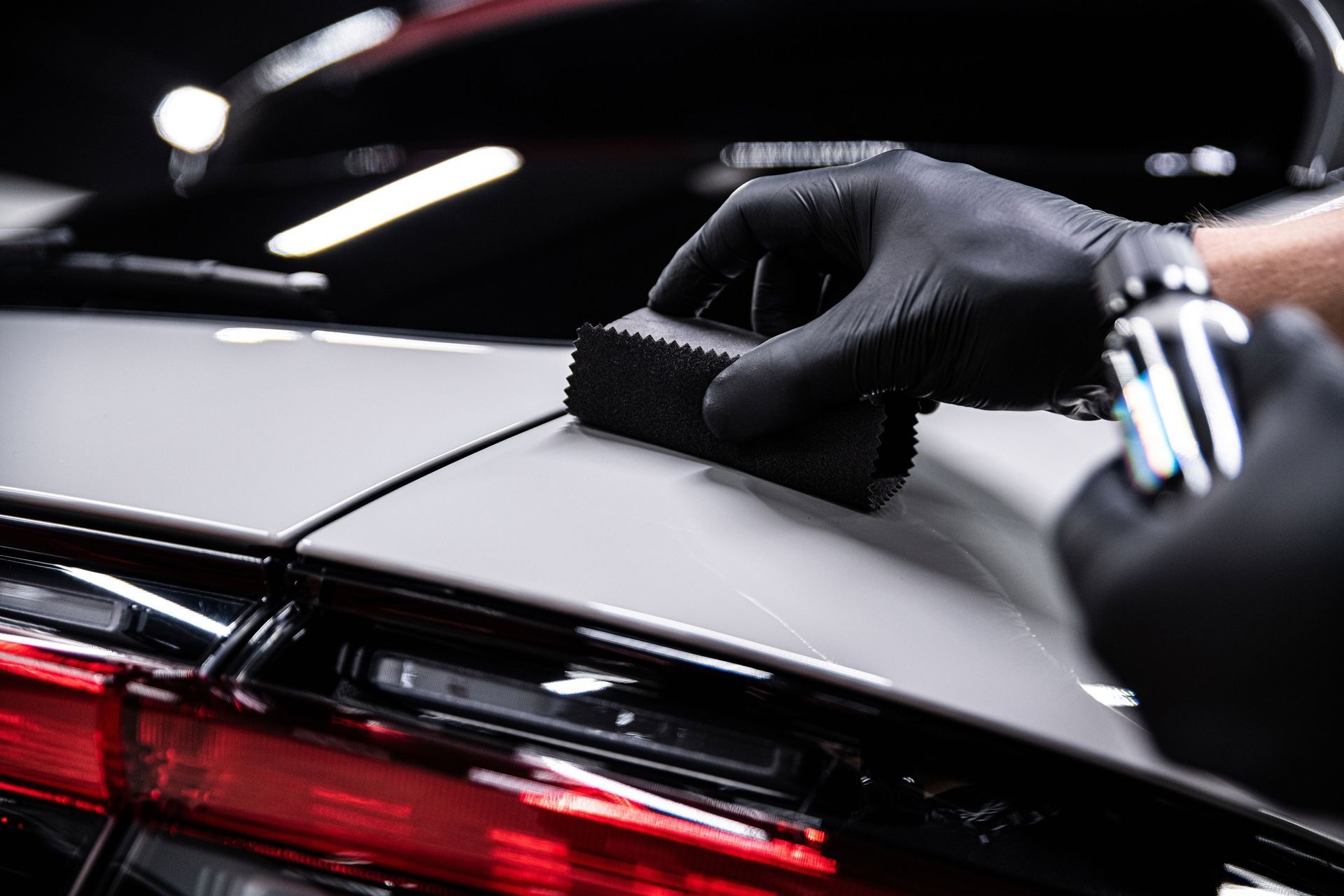
The Canvas Analogy: You wouldn't frame a painting before removing the dust and smoothing the canvas. The same principle applies here. Paint correction is the process of leveling your vehicle's clear coat to eliminate defects and restore optical clarity. Using dual-action (DA) polishers with varying pad firmness and compound aggressiveness, professional detailers remove a microscopic layer of clear coat to eliminate imperfections.
The Technique: Paint correction is executed in stages. Initial compounding with a cutting pad removes deeper scratches, oxidation, and severe swirl marks. This aggressive step removes defects but leaves behind its own micro-marring from the abrasive compound. The refinement stage uses a finer polish and softer pad to remove the marks left by compounding, creating a defect-free, high-gloss surface ready for coating.
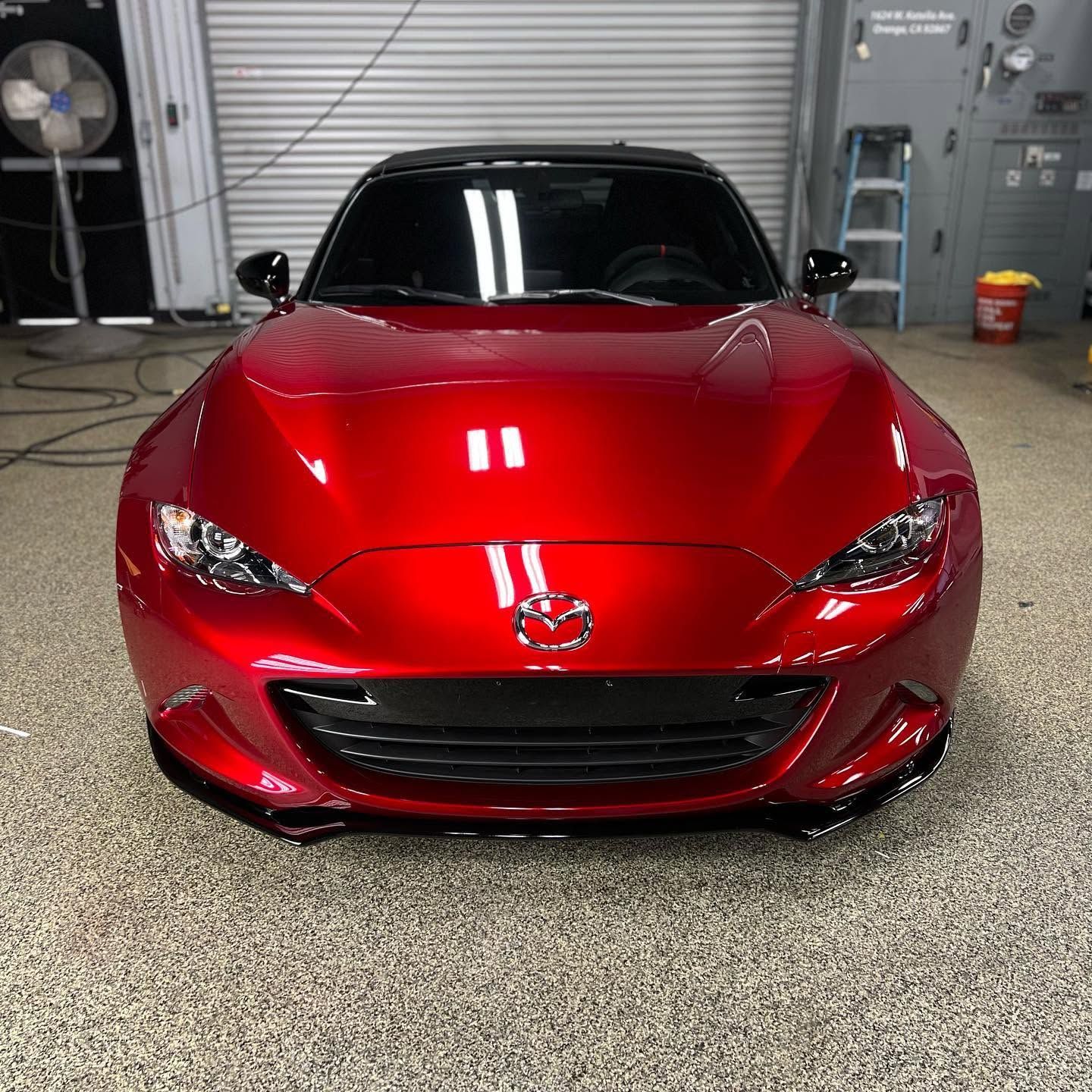
Professional paint correction requires proper lighting to identify defects, consistent pressure and speed with the polisher, and the experience to know when you've achieved true correction without removing too much clear coat. It's this step that creates the jaw-dropping mirror finish that ceramic coatings are famous for. The coating doesn't create the gloss; it protects and enhances the gloss achieved through meticulous paint correction.
Professional Application Techniques
Once the surface is properly prepared, the application phase demands precision timing, proper technique, and environmental control. This is where advanced methods diverge completely from consumer spray products.
The Cross-Hatch Pattern: Professional-grade ceramic coatings use liquid polymers that must be applied in thin, even layers. The cross-hatch pattern involves applying the coating in overlapping horizontal passes, then immediately following with overlapping vertical passes. This technique ensures 100% coverage without creating thick spots that can lead to high points or uneven curing.
Applicators are specifically designed for ceramic coating work, typically made from suede or specialized foam that holds the proper amount of product. Too much product leads to difficult leveling and potential hazing. Too little creates gaps in coverage. Professional applicators maintain the ideal balance.
Managing Flash Times: Here's where chemistry meets real-world conditions. Flash time is the window between application and when the coating begins its initial cure. During this window, the coating must be leveled to remove high spots and ensure uniform thickness. Flash time varies based on ambient temperature, humidity, and the specific coating formula.
In hot, dry conditions, flash time shortens dramatically. The coating begins setting faster, requiring quicker leveling. In cool, humid environments, flash time extends, giving more working time but also increasing the risk of attracting dust or contaminants before the initial cure. Mike's Tint Shop's climate-controlled application environment eliminates these variables, ensuring consistent flash times and optimal working conditions for every vehicle.
Multi-Layering for Enhanced Protection: Advanced ceramic coating applications often involve multiple layers to build depth and create sacrificial protection. The first layer bonds directly to the clear coat, forming the permanent chemical foundation. Subsequent layers bond to the previous coating layer, building thickness and enhancing hydrophobic properties.
The advantage of multi-layering is twofold. First, it increases the overall thickness of protection, providing more resilience against minor scratches and chemical etching. Second, the top layer serves as sacrificial protection that can be polished or even removed and reapplied without disturbing the base layer's bond to the clear coat. Professional detailing studios typically recommend two to three layers for maximum protection and longevity.
The Science of Curing: IR Lamps vs. Air Dry
Ceramic coating chemistry involves a curing process where liquid polymers cross-link and harden into a crystalline structure. This process occurs in two distinct phases, and understanding them is critical to protecting your investment.
Infrared (IR) Curing: Accelerating the Bond
At Mike's Tint Shop, we utilize infrared curing technology to force and accelerate the chemical bonding process. IR lamps emit controlled heat that excites the molecules in the ceramic coating, dramatically speeding up the cross-linking reaction. This technique achieves in hours what air-drying accomplishes in days.
The benefits extend beyond time savings. IR curing produces a more uniform molecular structure, resulting in more consistent 9H hardness across the entire coated surface. The controlled heat also drives deeper penetration into the microscopic pores of the clear coat, enhancing the mechanical grip alongside the chemical bond.
Professional IR curing requires precise temperature control. Too much heat can cause the coating to cure too rapidly, potentially creating tension in the coating layer. Too little heat provides minimal benefit. Proper IR curing maintains surface temperatures in the optimal range for the specific coating chemistry being used.
The Vulnerability Window: Protecting the Initial Cure
Whether using IR acceleration or air-drying, the first 24 to 48 hours represent the coating's most vulnerable period. During the initial cure phase, the coating has bonded to the clear coat but hasn't achieved full hardness. Exposure to water, bird droppings, or harsh chemicals during this window can permanently compromise the coating's integrity.
This is why professional installations include strict post-application care instructions. No washing, no rain exposure, and no parking under trees where sap or bird droppings could land on the fresh coating. After the initial cure completes, the coating enters its full cure phase, which takes 7 to 14 days depending on the specific formula. During this period, the coating continues hardening and developing its maximum hydrophobic properties and chemical resistance.
SiO2 vs. Graphene: Which Advanced Formula is Best?
The ceramic coating market has evolved beyond traditional Silicon Dioxide (SiO2) formulas to include newer technologies like Graphene-enhanced coatings and hybrid formulations. Understanding the differences helps you select the right protection for your specific needs and driving conditions.
SiO2 (Quartz-Based) Coatings: Silicon Dioxide remains the foundation of most professional ceramic coatings, and for good reason. SiO2 coatings excel at creating extreme gloss and achieving true 9H hardness on the pencil hardness scale. The quartz-based chemistry forms incredibly strong covalent bonds with the clear coat, creating a permanent layer that resists chemical etching, UV degradation, and minor scratches.
The hydrophobic properties of pure SiO2 coatings are excellent, with contact angles typically exceeding 100 degrees. Water beads tightly and rolls off the surface, carrying dirt and contaminants with it. This self-cleaning effect reduces the frequency of washing needed and makes maintenance washing significantly easier.
SiO2 coatings also provide outstanding heat resistance. The silicon-oxygen bonds remain stable at temperatures well beyond what any vehicle surface experiences, even in extreme summer conditions. This thermal stability ensures the coating maintains its protective properties and appearance regardless of climate.
Graphene-Enhanced Coatings: Graphene represents one of the most exciting advancements in ceramic coating technology. Graphene is a single layer of carbon atoms arranged in a hexagonal lattice, creating a material with extraordinary properties. When incorporated into ceramic coating formulas, Graphene provides several distinct advantages.
First, Graphene-enhanced coatings demonstrate superior resistance to water spotting. Hard water contains minerals that can etch into traditional SiO2 coatings over time, leaving permanent spots. Graphene's structure resists mineral bonding more effectively, keeping the surface cleaner in areas with hard water.
Second, Graphene excels at heat dissipation. The material conducts thermal energy exceptionally well, helping coated surfaces shed heat rather than absorbing it. This property reduces the surface temperature of your vehicle's paint, which can minimize heat-related paint degradation over time and even contribute slightly to cooler cabin temperatures.
Third, Graphene coatings often exhibit enhanced slickness. The surface feels smoother to the touch and creates even tighter water beading than pure SiO2 formulas. This characteristic makes maintenance washing even easier and creates a distinctive visual appearance.
Hybrid Formulations: Many professional-grade coatings now combine SiO2, Silicon Carbide (SiC), Titanium Dioxide (TiO2), and Graphene to leverage the strengths of each component. These hybrid formulas deliver the hardness and gloss of SiO2, the anti-spotting and heat dissipation of Graphene, and additional UV protection from Titanium Dioxide.
At Mike's Tint Shop, we evaluate each vehicle's use case, environment, and owner preferences to recommend the optimal coating chemistry. Daily drivers in harsh climates may benefit more from Graphene-enhanced formulas, while show cars seeking maximum gloss might prefer pure SiO2 coatings. There's no universal "best" formula, only the best formula for your specific situation.
Maintaining the Investment
Advanced ceramic coatings are incredibly durable, but they're not invincible. Proper maintenance extends their lifespan and keeps them performing at peak effectiveness. The good news is that maintenance becomes far simpler once a coating is properly cured.
The Two-Bucket Wash Method: This fundamental technique prevents scratching and marring during routine washing. One bucket contains soapy water with a pH-neutral car soap designed for ceramic coatings. The second bucket contains clean rinse water. After each panel is washed, the wash mitt is rinsed in the clean water bucket before returning to the soapy water. This prevents dirt particles from being redistributed onto the paint surface.
Never use automatic car washes with harsh brushes or aggressive chemicals on ceramic-coated vehicles. The coating itself can withstand these treatments, but the mechanical action and chemical exposure accelerate degradation. Hand washing or touchless washes are the preferred methods.
Ceramic Boosters: Rejuvenating Hydrophobic Properties
Even the best ceramic coatings experience some reduction in hydrophobic performance over time as the top molecular layer experiences wear from washing and environmental exposure. Ceramic boost sprays contain diluted silica-based formulas that bond to the existing coating, refreshing the water-repellent properties without requiring a full reapplication.
Apply ceramic boosters every three to six months after a thorough wash and dry. These products take minutes to apply, spray on and wipe off easily, and immediately restore the tight water beading that indicates a healthy coating. They extend the effective lifespan of your primary coating and maintain that "just applied" appearance year after year.
Annual Inspections: Professional detailers recommend annual coating inspections to assess condition and address any areas of concern. High-wear areas like door handles, trunk edges, and lower rocker panels may show coating degradation before the rest of the vehicle. These areas can be spot-treated without disturbing the coating on the entire vehicle.
During inspections, professionals can also perform light paint correction on the coating itself if minor marring has occurred, then reapply a top layer to restore full protection. This maintenance approach allows ceramic coatings to protect your vehicle for five, seven, or even ten years with proper care.
Why Professional Application Matters
By now, the complexity behind advanced ceramic coating techniques should be clear. The process demands specialized equipment including dual-action polishers with multiple pads and compounds, infrared curing lamps, climate-controlled application space, proper ventilation, inspection lighting to identify defects, and most importantly, the experience to execute each step flawlessly.
Consumer-grade spray coatings sold in retail stores cannot deliver the same performance because they lack professional surface preparation and the chemistry required for true chemical bonding. These products provide temporary hydrophobic effects that last months, not years. They serve as glorified waxes with better marketing, not permanent paint protection.
Professional liquid polymer coatings applied by experienced technicians create a permanent molecular bond with your vehicle's clear coat. This bond doesn't wash away, doesn't break down in sunlight, and maintains protective properties measured in years rather than months. The upfront investment is higher, but the cost per year of protection makes professional ceramic coating one of the most economical long-term paint protection solutions available.
Mike's Pro Tip: "The biggest mistake in ceramic coating isn't the application. It's the prep. If you don't remove the iron deposits, properly correct the paint, and eliminate all residual oils, the bond will fail within a year regardless of how expensive the coating product is. Professional preparation is what separates a two-year coating from a seven-year coating."
Protect Your Investment with Advanced Techniques
Ceramic coating technology has reached a level of sophistication that demands professional expertise to unlock its full potential. From nano-ceramic chemistry and multi-layer application to infrared curing and proper surface preparation, advanced techniques transform ceramic coating from a simple product into a comprehensive paint protection system.
Whether you choose SiO2 for maximum hardness and gloss or Graphene for superior anti-spotting and heat dissipation, the coating formula matters less than the application methodology. Proper decontamination, precision paint correction, controlled application environment, and appropriate curing techniques determine whether your coating provides two years or ten years of protection.
At Mike's Tint Shop, we've invested in the equipment, training, and climate-controlled facilities necessary to execute advanced ceramic coating techniques at the highest level. Our technicians understand the chemistry, have perfected the application methods, and stand behind every installation with comprehensive warranties.
Your vehicle represents a significant investment that deserves protection from UV degradation, chemical etching, minor scratches, and environmental contaminants. Advanced ceramic coating provides that protection while simultaneously enhancing your vehicle's appearance to a level impossible to achieve with traditional methods.
Ready to experience the difference that professional-grade ceramic coating makes? Visit Mike's Tint Shop for a detailed consultation where we'll assess your vehicle's condition, explain the preparation and application process, and recommend the optimal coating system for your needs. We'll show you coating samples, discuss realistic performance expectations, and provide transparent pricing with no hidden fees.
Just as professional window tinting protects your vehicle's interior from UV damage and heat, advanced ceramic coating protects the exterior finish for years of showroom appearance and worry-free ownership.
Contact Mike's Tint Shop today to schedule your ceramic coating application and discover what true paint protection looks like.