5 STAR QUALITY SERVICE
Window Tinting Shades and Types: Your Complete Guide to Choosing the Right Tint
Choosing window tint for your vehicle isn't just about creating that sleek, customized look, though that's certainly a bonus. It's an investment in your daily comfort, your family's safety, and the longevity of your vehicle's interior. With summer temperatures climbing and UV rays beating down year-round, the right window tint can transform your driving experience from uncomfortable to cool and protected.
But here's where many car owners get stuck: walk into any tint shop, and you'll be hit with a dizzying array of options. Ceramic or carbon? 20% or 35%? What's VLT, and why does it matter? At
Mike's Tint Shop, we've spent years helping drivers navigate these choices, and we're breaking down everything you need to know about window tinting shades and types.
Understanding VLT: The Math of Darkness
Before diving into tint types, you need to understand the single most important number in window tinting: VLT, or Visible Light Transmission. This percentage tells you exactly how much light passes through your tinted window. Here's the counterintuitive part: the lower the number, the darker the tint.
5% VLT (Limo Tint): This is as dark as it gets. Only 5% of visible light makes it through, creating maximum privacy and that classic "blacked-out" look. You'll see this on limousines and luxury vehicles, but it's heavily restricted in most states for front windows and windshields. While it offers incredible privacy, it can make nighttime driving challenging.
20% VLT (Dark Tint): A popular choice for rear and back seat windows, 20% tint blocks 80% of visible light. It provides substantial privacy while still allowing decent visibility from inside the vehicle. Many drivers pair this with a lighter shade up front to stay legal while maintaining a cohesive appearance.
35% VLT (Medium/Legal Sweet Spot): This is the goldilocks zone for many states' front window regulations. At 35%, you get noticeable tinting, solid heat rejection, and UV protection without the aggressive darkness of lower percentages. It's professional-looking and functional.
50% VLT (Light Tint): Perfect for drivers who want the benefits of tinting (heat rejection, UV protection, interior preservation) without dramatically changing their vehicle's appearance. At 50%, the tint is subtle, and visibility remains excellent in all conditions.
70% VLT (Windshield/Nearly Clear): Often used for windshield tint strips or for drivers who want maximum heat rejection with minimal darkness. This percentage focuses purely on blocking infrared heat and UV rays while maintaining crystal-clear visibility.
The Four Main Types of Window Film
Now that you understand the darkness scale, let's talk about what your window tint is actually made of. Not all tints are created equal, and the material makes a massive difference in performance, durability, and price.
Ceramic Film: The Gold Standard
Ceramic window tint represents the pinnacle of tinting technology, and there's a reason it commands premium prices. Using nano-ceramic technology, this film doesn't rely on darkness to block heat. Instead, ceramic particles reject up to 99% of harmful UV rays and provide maximum infrared (IR) rejection, keeping your car significantly cooler even with lighter VLT percentages.
Here's what sets ceramic apart: it's completely non-conductive and non-metallic, meaning zero signal interference with your GPS, cell phone, Bluetooth, or radio. In today's connected vehicles, that's not just a convenience. It's essential. Ceramic tint also offers superior Total Solar Energy Rejected (TSER) ratings, often blocking 60-80% of total solar energy regardless of how light or dark you go.
The result? You can install a 50% ceramic tint and enjoy better heat rejection than a 20% dyed film. For commuters spending hours in their cars, or for anyone prioritizing comfort without sacrificing visibility, ceramic is the clear winner.
Carbon Film: Performance Meets Style
Carbon window tint sits in the sweet spot between premium ceramic and budget-friendly dyed films. Its standout feature is the rich, matte black finish that never fades or turns purple, a common problem with cheaper alternatives. Carbon particles embedded in the film provide excellent infrared rejection, blocking heat before it enters your vehicle.
High durability is another carbon advantage. This film resists fading and maintains its appearance year after year, even under intense sun exposure. While it doesn't quite match ceramic's heat rejection capabilities, carbon tint delivers impressive performance at a more accessible price point. It's also signal-friendly, causing no interference with your vehicle's electronics.
Carbon tint appeals to drivers who want that deep, non-reflective look combined with reliable heat and UV protection. The matte finish gives vehicles a sophisticated, factory-tinted appearance that stands the test of time.
Metalized/Hybrid Film: Reflective Power
Metalized window tint incorporates tiny metallic particles that reflect heat and UV rays away from your vehicle. This creates a slightly reflective, mirror-like finish that some drivers find appealing. The metallic composition makes these films extremely durable and scratch-resistant, and they provide solid heat reflection.
The trade-off? Those same metallic particles can interfere with electronic signals. GPS navigation, cell phone reception, satellite radio, and tire pressure monitoring systems may all experience reduced performance with metalized tint. For this reason, many manufacturers now offer hybrid films that blend metallic and dyed layers to minimize interference while maintaining heat rejection benefits.
If you're considering metalized tint, discuss your vehicle's technology systems with your installer to avoid connectivity frustrations down the road.
Dyed Film: The Entry-Level Option
Dyed window tint is the most economical choice, making it attractive for budget-conscious drivers who prioritize aesthetics. Multiple layers of dye absorb light to create darkness and privacy. While dyed film blocks UV rays and reduces glare, it doesn't offer the same heat rejection performance as carbon or ceramic options.
The primary drawback is longevity. Over time, especially in harsh climates, dyed film can fade or develop a purple hue as the dye breaks down. It's aesthetic-focused rather than performance-oriented, so if heat rejection and long-term durability are priorities, you'll want to invest in a higher-tier option.
That said, for drivers who want the tinted look without breaking the bank, quality dyed film from a professional installer can still deliver years of service and UV protection.
How to Choose: Identifying Your Priorities
The "best" window tint is the one that matches your specific needs and driving habits. Here's how to identify your priorities:
The Daily Commuter: If you're logging serious hours behind the wheel, especially in stop-and-go traffic or parking in sunny lots, heat rejection is your top priority. Ceramic tint delivers maximum comfort with superior TSER ratings and glare reduction. Even a lighter shade like 35% or 50% ceramic will dramatically reduce cabin temperature and protect your dashboard from sun damage.
The Privacy Seeker: For drivers who value privacy and that commanding blacked-out appearance, focus on lower VLT percentages on rear and back seat windows. A combination of 20% on rear windows with 35% up front (where legal) creates privacy without compromising front-seat visibility. Carbon or ceramic films in these darker shades provide both the look and the protection.
The Family Hauler: Parents transporting children need to prioritize UV protection and heat rejection to keep rear passengers comfortable and protect young skin from harmful rays. Ceramic tint blocks 99% of UV radiation, creating a safer environment for your most precious cargo. The shatter-resistance properties also add a layer of safety in the unlikely event of an accident, helping hold glass together.
The Tech-Dependent Driver: If your vehicle is loaded with electronics (GPS, satellite radio, smartphone connectivity, radar detectors), steer clear of metalized films. Ceramic and carbon tints are completely signal-friendly, ensuring all your systems function without interference.
The Budget-Conscious Buyer: If upfront cost is the deciding factor and you're primarily seeking the aesthetic benefit and basic UV protection, quality dyed film offers the most affordable entry point. Just set realistic expectations about heat rejection and long-term color stability.
Staying Legal: Navigating Window Tint Laws
Here's what catches many DIY tinters and bargain shoppers off guard: window tint laws vary significantly by state and even by municipality. What's perfectly legal in one state might earn you a ticket in another. Regulations typically address:
- Front side window limits: Many states restrict how dark you can tint windows next to the driver and front passenger, often requiring 35% VLT or higher.
- Rear window restrictions: Back seat and rear windows usually allow darker tints, with some states permitting limo tint (5%).
- Windshield rules: Most states only allow tinting on the top 4-6 inches (the visor strip), while some prohibit windshield tint entirely except for medical exemptions.
- Reflectivity limits: Some states restrict how reflective or mirror-like your tint can be.
Violating these laws means more than just a fix-it ticket. You may face fines, be required to remove the tint completely, or deal with repeated stops during routine traffic enforcement. The "darkest legal tint" varies by location, so what works in Arizona might be illegal in New York.
At Mike's Tint Shop, we stay current on all local and state regulations. Every installation we perform meets legal requirements for your area, protecting you from fines and hassles. We'll recommend VLT percentages that maximize your desired benefits while keeping you fully compliant.
Why Professional Installation Matters
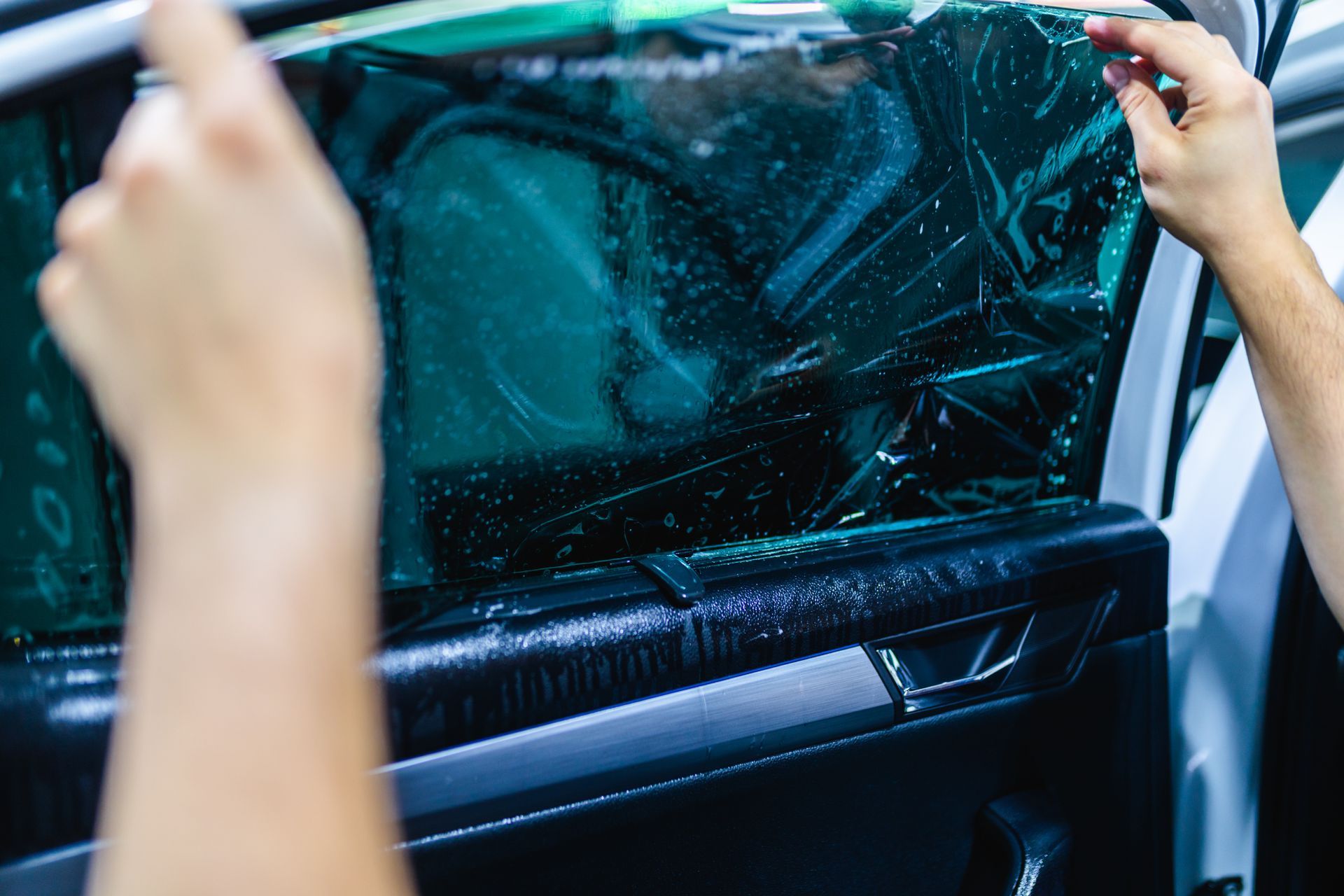
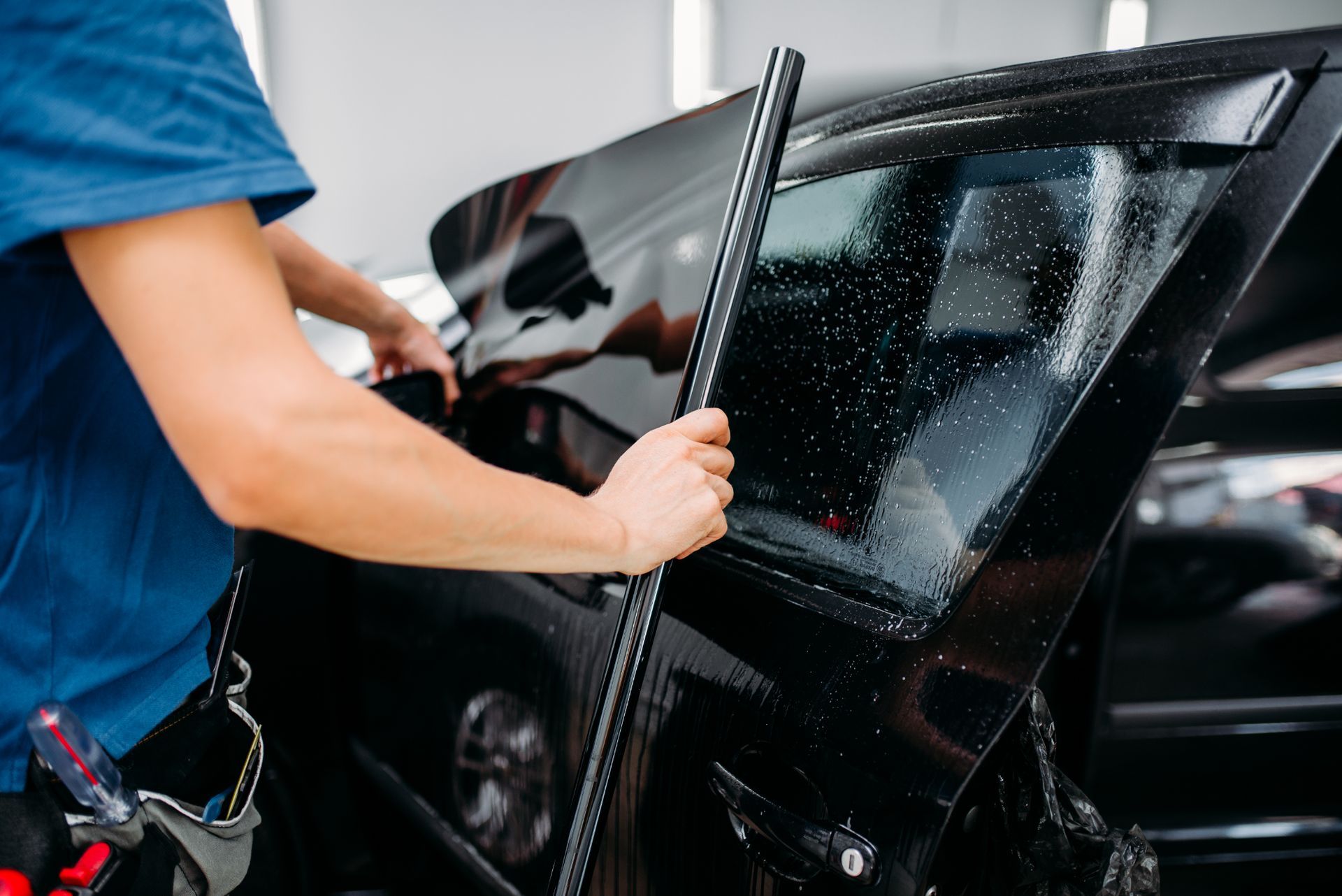
With DIY tint kits available online, some drivers wonder if professional installation is worth the investment. Here's the reality: window tinting is a skilled craft that requires precision, proper tools, and experience. The difference between amateur and professional results is immediately visible.
Bubbling and peeling: The most common DIY disaster. Improper application techniques, contamination, or low-quality adhesive lead to bubbles that never disappear and edges that peel within months. Professional installers work in controlled environments with proper surface preparation.
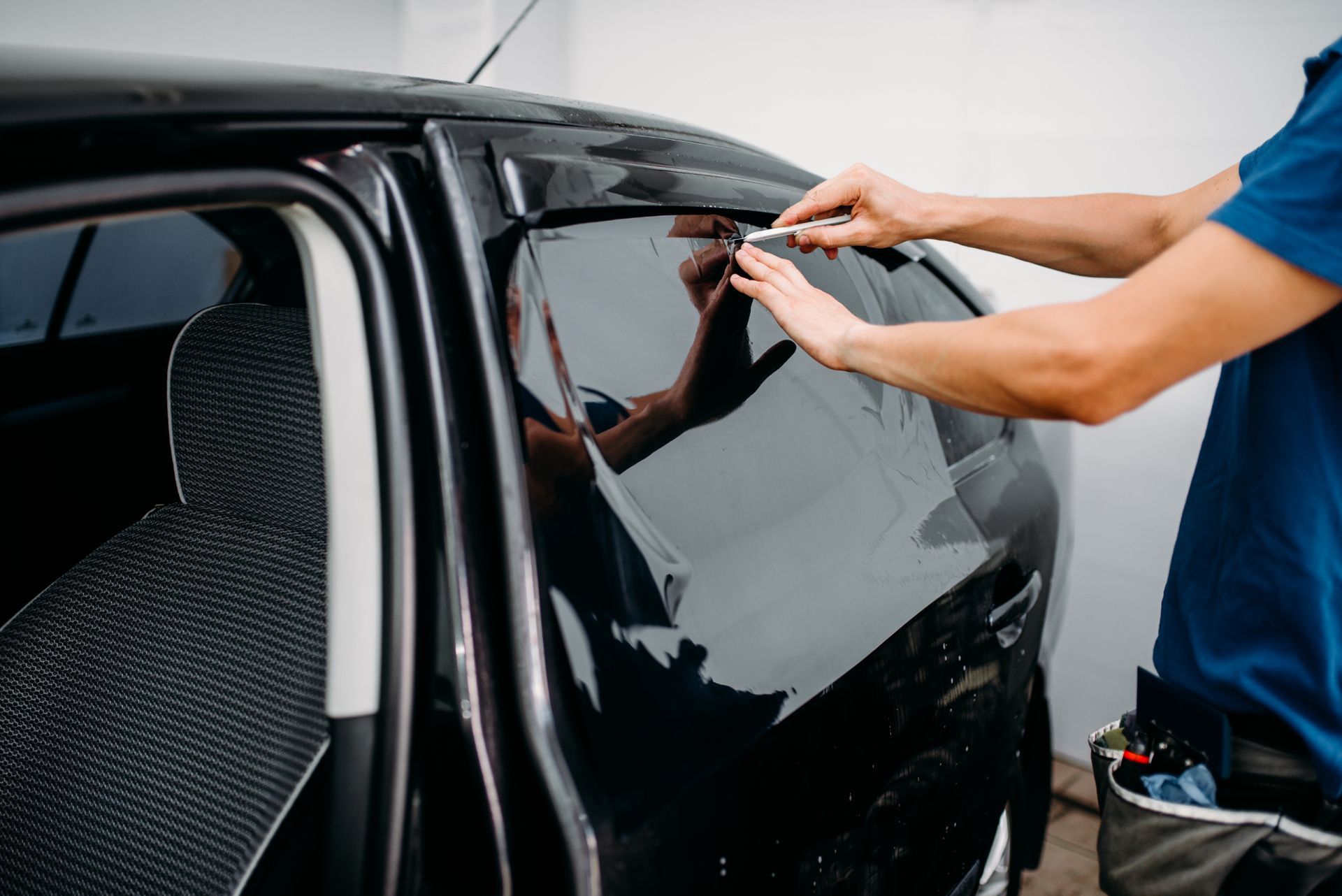
Precision cutting: Quality tint jobs require cutting film to exact window dimensions without gaps or overlaps. Professionals use computer-cut patterns or hand-cut techniques perfected over thousands of installations. The result is seamless coverage that looks factory-installed.
Warranty coverage: Reputable shops like Mike's stand behind their work with comprehensive warranties covering both materials and labor. DIY kits offer no such protection. If something goes wrong, you're starting over from scratch and buying new materials.
Proper curing: Different film types require specific curing times and conditions. Professionals understand these requirements and educate customers on post-installation care to ensure the tint adheres properly and performs as expected.
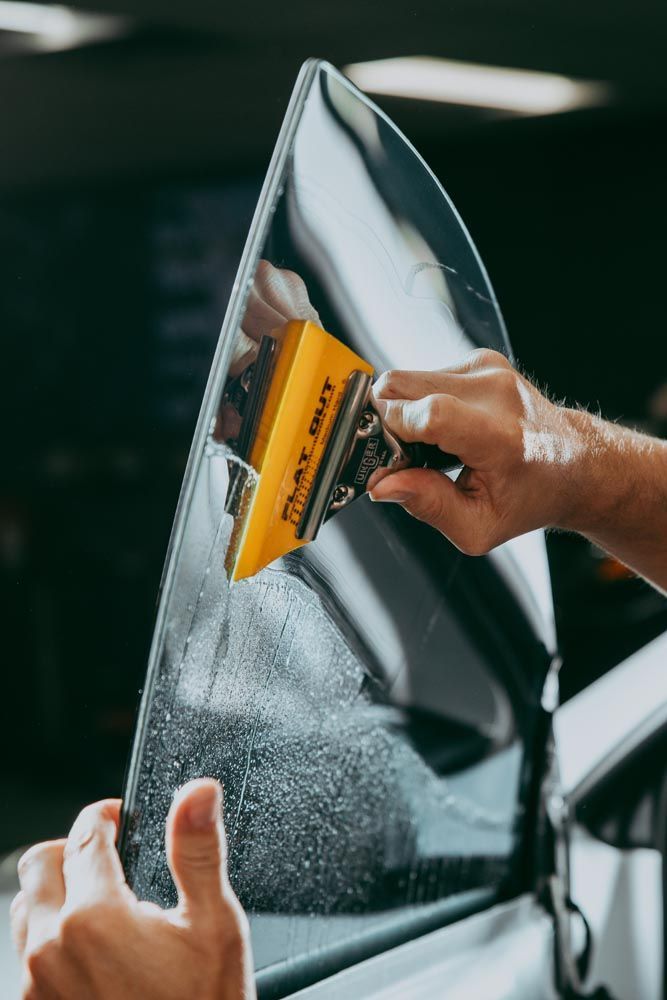
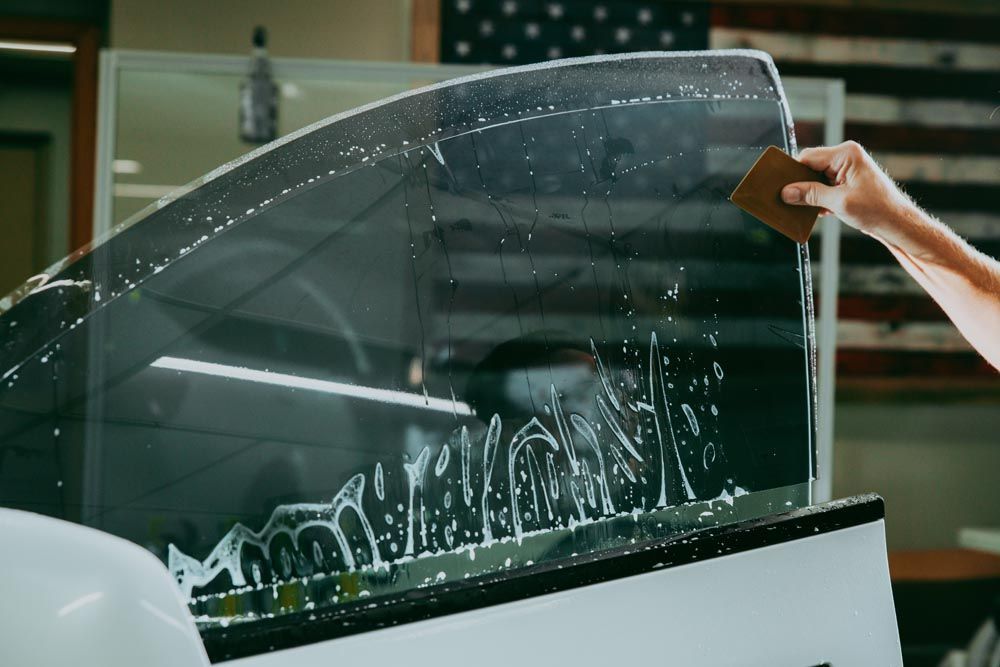
Tool and technique: From heat guns and squeegees to slip solutions and hard card applications, professional installers invest in the right equipment and training. This isn't just about making it look good. It's about making it last.
The small upfront savings of DIY tinting evaporate quickly when you factor in wasted materials, time, and the eventual cost of having it professionally redone. Your vehicle deserves better than practice runs and learning curves.
Choose the Right Tint for Your Lifestyle
Window tinting is a personal decision that balances aesthetics, comfort, protection, and legal compliance. The "right" tint is the one that fits your specific lifestyle, budget, and priorities. Whether you're seeking maximum heat rejection in ceramic film, the rich appearance of carbon tint, or an economical entry with dyed options, understanding VLT percentages and material differences empowers you to make an informed choice.
Remember that darker doesn't always mean better. Modern ceramic technology proves that a lighter 35% or 50% tint can outperform a dark 20% dyed film in heat rejection and comfort. Focus on what matters most to you (whether that's interior protection, glare reduction, privacy, or shatter resistance) and select the film type and shade that delivers those benefits.
Ready to experience the difference professional tinting makes? Visit Mike's Tint Shop for a no-pressure consultation where you can see and feel our shade samples in person. Our experienced team will assess your vehicle, discuss your priorities, and recommend the perfect combination of tint type and VLT percentage to meet your needs while staying fully compliant with local regulations. Don't settle for guesswork or regrettable DIY attempts. Trust the experts who've been keeping drivers comfortable and protected for years.
Contact Mike's Tint Shop today to schedule your appointment and transform your driving experience with professional window tinting done right.