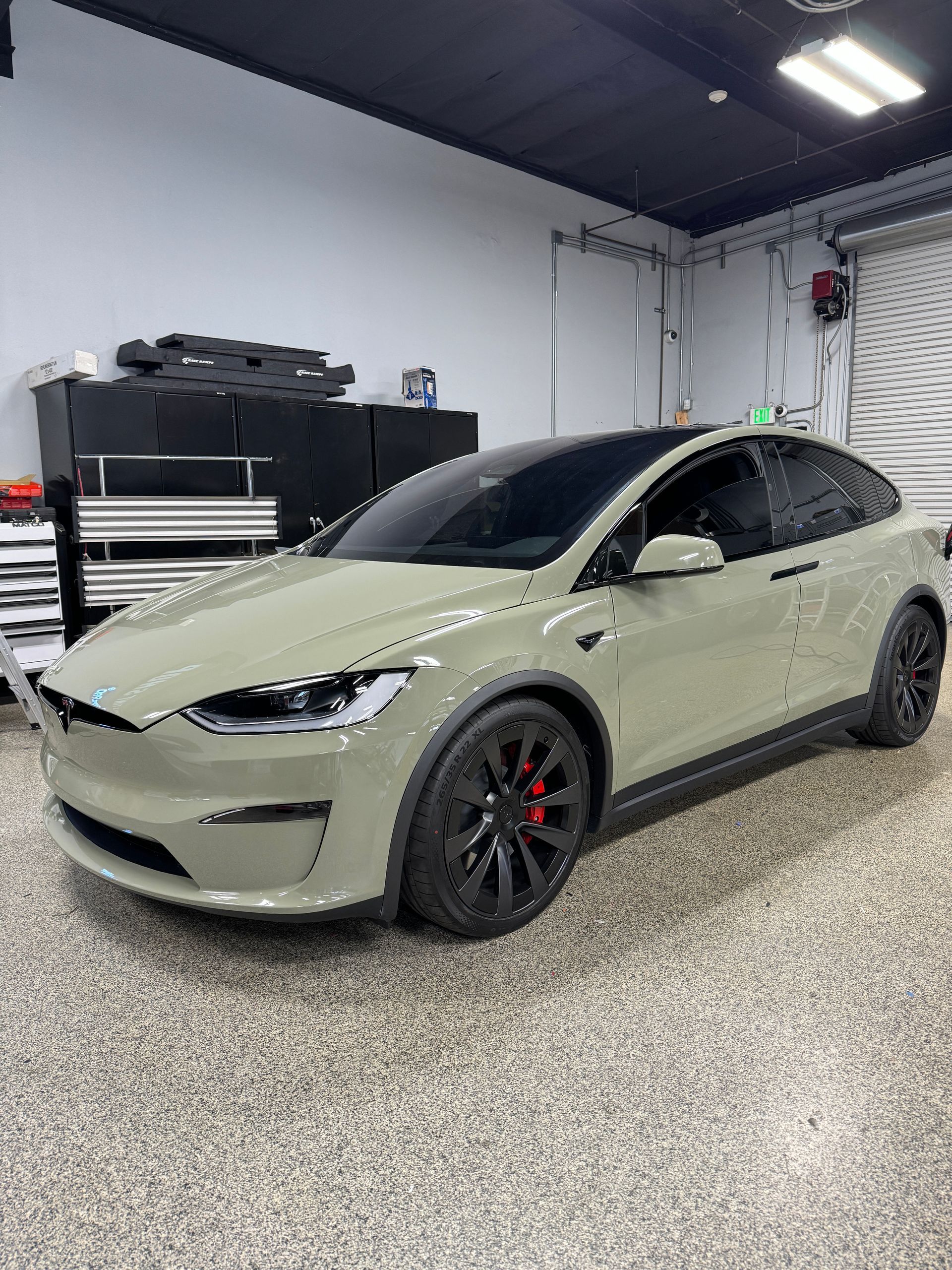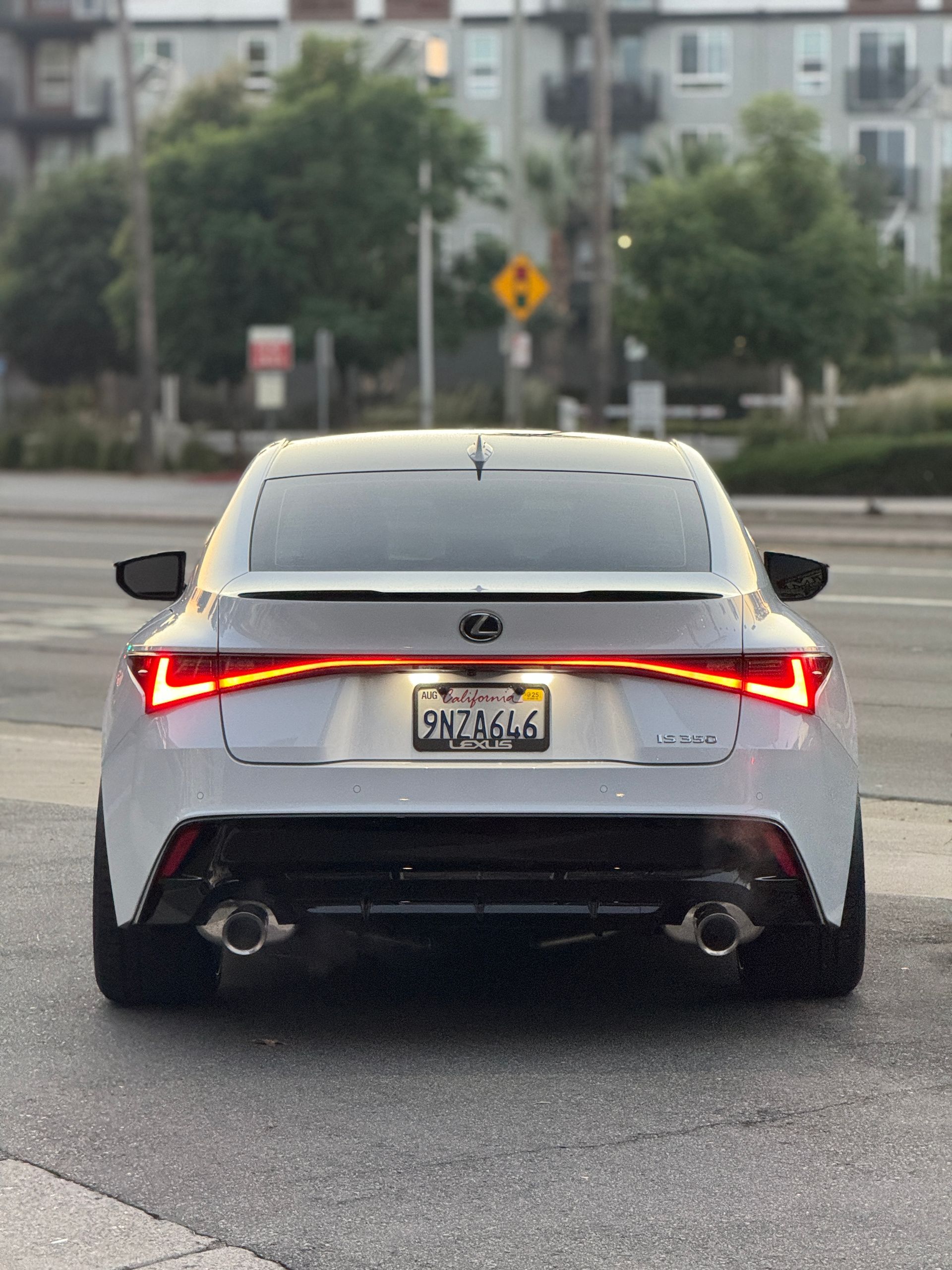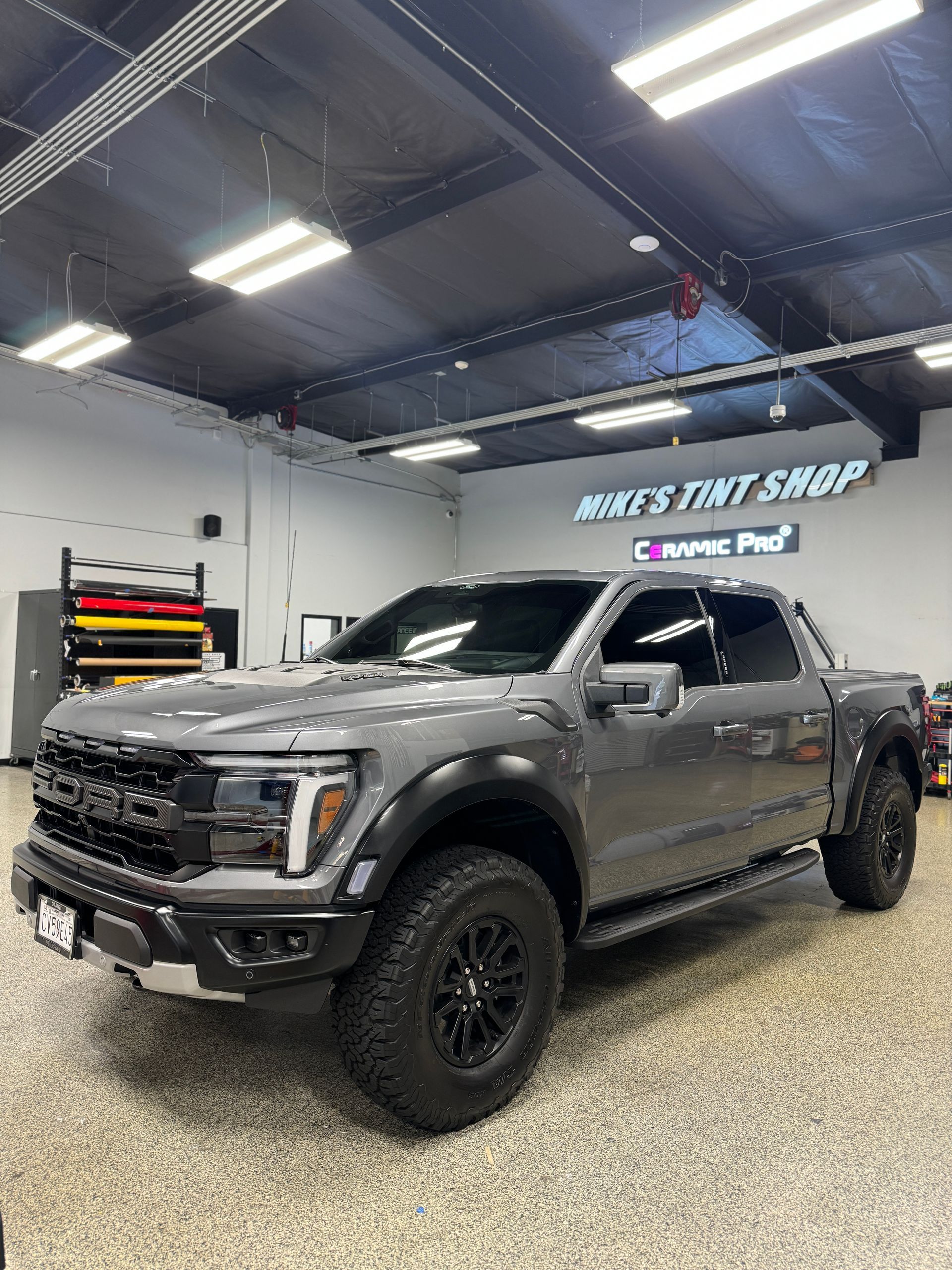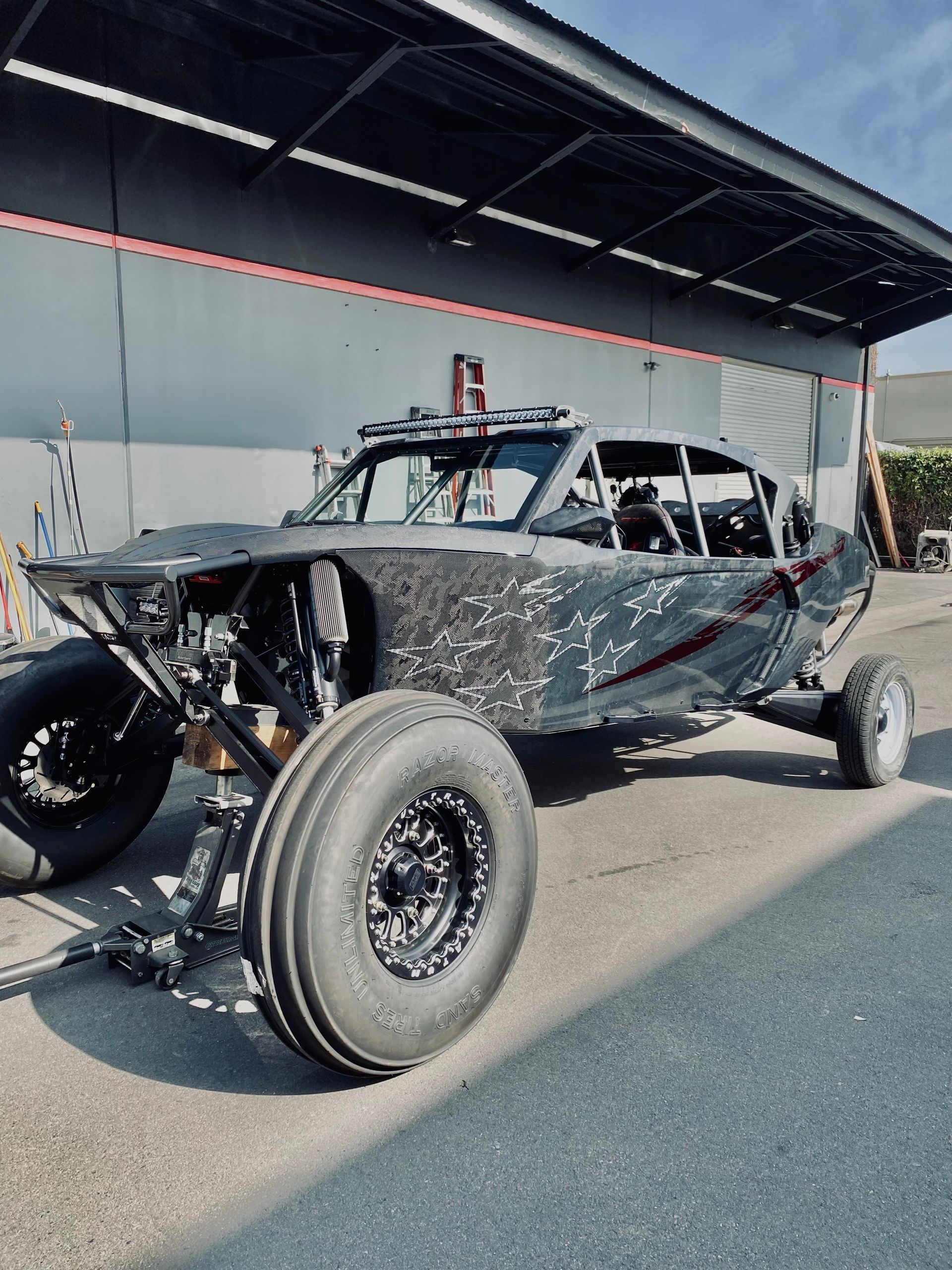
5 STAR QUALITY SERVICE
The Role of Ceramic Coating in Preventing Paint Oxidation
Your car's paint is under constant attack. Every time you drive, park outside, or simply leave your vehicle sitting in a driveway, it is exposed to the sun's UV radiation, airborne pollutants, moisture, and a range of environmental contaminants that slowly break down its finish. The result, over months and years, is paint oxidation: that familiar dull, chalky, faded appearance that makes even a well-maintained vehicle look neglected and old.
Ceramic coating has become one of the most effective solutions available for slowing this process. By forming a chemically bonded protective layer over your vehicle's paint, ceramic coating blocks the primary triggers of oxidation and preserves the appearance and integrity of your finish for years at a time.
This guide explains what paint oxidation is, how ceramic coating works to prevent it, and what vehicle owners need to know before investing in this level of protection.
What Is Paint Oxidation and Why Does It Happen?
Paint oxidation is a chemical reaction that occurs when the molecules in your vehicle's paint and clear coat interact with oxygen in the surrounding environment. Over time, this interaction breaks down the chemical bonds that give paint its color, gloss, and structural integrity. The result is a surface that looks faded, chalky, or dull rather than deep and glossy.
UV radiation from the sun is the single largest driver of paint oxidation, responsible for the majority of paint degradation on most vehicles. UV rays penetrate the clear coat and directly weaken the molecular bonds in the paint beneath. Moisture accelerates this process by introducing additional chemical reactions at the surface. Pollution, road salt, bird droppings, tree sap, and other environmental contaminants compound the damage further by introducing acids and other reactive substances that attack the clear coat from the outside.
The clear coat is the outermost layer of a vehicle's paint system and the first line of defense against oxidation. Once UV exposure, moisture, and contaminants degrade the clear coat, the layers beneath become vulnerable. Paint fading and surface degradation follow, and without intervention, the damage becomes increasingly difficult and expensive to reverse.
Dark-colored vehicles tend to show oxidation sooner because fading and chalking are more visible against a darker base. Vehicles driven or parked frequently in high-UV climates are at elevated risk for the same reason. However, all vehicles are susceptible to paint oxidation over time, regardless of color or climate.
What Is Ceramic Coating
Ceramic coating is a liquid polymer applied to the exterior surfaces of a vehicle that cures to form a semi-permanent, transparent protective layer. Most ceramic coatings are formulated using silicon dioxide (SiO2), also known as silica, often combined with titanium dioxide (TiO2) and other nano-ceramic particles. These compounds are delivered in a liquid carrier that allows them to be spread evenly across paint surfaces before curing into a hard, glass-like layer.
The defining characteristic of ceramic coating is how it bonds to the vehicle's paint. Unlike wax or paint sealants, which sit on top of the surface and are removed by washing and environmental exposure over weeks or months, ceramic coating forms a chemical bond at the molecular level with the clear coat beneath. This bond integrates the coating into the surface rather than simply coating it, which is why ceramic coating lasts years rather than weeks.
Nanotechnology plays a central role in how ceramic coatings perform. The nano-ceramic particles in the coating are small enough to fill the microscopic pores and imperfections in a vehicle's clear coat surface, creating a smoother, denser, and more chemically resistant barrier than the paint alone can provide. The result is a surface that is harder, more hydrophobic, and significantly more resistant to the environmental stressors that drive oxidation.
How Ceramic Coating Prevents Paint Oxidation
Ceramic coating addresses paint oxidation through several interconnected mechanisms. Each one targets a specific driver of oxidation and contributes to the overall protective effect of the coating.
1. Blocks UV Radiation
UV rays are the leading cause of paint oxidation, and blocking them is the most important function a protective coating can perform. Ceramic coatings contain UV inhibitors that absorb and deflect UV radiation before it can reach the paint and clear coat beneath. By intercepting UV energy at the surface of the coating rather than allowing it to penetrate through to the paint, ceramic coating significantly slows the molecular breakdown that causes fading and surface degradation.
This is a meaningful advantage over wax, which offers minimal UV protection, and over an uncoated clear coat, which has no dedicated UV defense layer beyond what the paint formulation itself provides.
2. Limits Oxygen Exposure
Oxidation requires oxygen. By creating a continuous, chemically bonded barrier over the paint surface, ceramic coating reduces the direct exposure of the clear coat and paint to atmospheric oxygen. This slows the core chemical reaction that drives oxidation, preserving clear coat integrity and extending the lifespan of the paint system beneath.
This oxygen-limiting effect works in combination with UV protection to address both primary drivers of paint oxidation simultaneously, which is why ceramic coating outperforms products that only address one or the other.
3. Creates a Hydrophobic Surface
One of the most visible properties of ceramic coating is its hydrophobic behavior. Water does not spread across a ceramic-coated surface; instead, it beads up and rolls off, carrying dirt, road grime, and other contaminants with it. This behavior is a direct result of the smooth, dense nano-ceramic surface created during the curing process.
The practical benefit for oxidation prevention is significant. Moisture that does not sit on the surface cannot penetrate the clear coat or contribute to the chemical reactions that accelerate oxidation. Contaminants that roll off with water rather than adhering to the surface have less opportunity to react with the paint. A hydrophobic surface is also easier to clean, which means the vehicle spends less time exposed to the friction and chemicals involved in more intensive washing.
4. Prevents Contaminant Damage
Bird droppings, tree sap, road salt, industrial pollution, and bug splatter are all chemically active substances that react with a vehicle's clear coat on contact. Acidic contaminants in particular can etch through an unprotected clear coat relatively quickly, creating pitting and surface damage that accelerates oxidation and is difficult to repair without paint correction.
Ceramic coating provides a chemical resistance layer that reduces the reactivity of these contaminants with the paint surface. The coating absorbs and deflects chemical attacks that would otherwise penetrate the clear coat, buying time for the contaminants to be washed away before they cause lasting damage.
5. Strengthens and Smooths the Clear Coat Surface
The nanotechnology at the core of ceramic coating formulations allows the product to fill microscopic pores and surface imperfections in the clear coat that are invisible to the naked eye but significant at the molecular level. These pores are entry points for oxygen, moisture, and contaminants. By filling them with a hard, chemically inert ceramic material, the coating creates a denser surface that is less permeable to the environmental stressors that drive oxidation.
The resulting surface is smoother than the original clear coat, which reduces the adhesion of dirt and contaminants and contributes to the coating's hydrophobic performance. A smoother, denser surface is simply harder to degrade than the porous clear coat it protects.
Additional Benefits Beyond Oxidation Protection
While oxidation prevention is the primary functional benefit of ceramic coating for most vehicle owners, the coating delivers several additional advantages that contribute to long-term paint health and appearance.
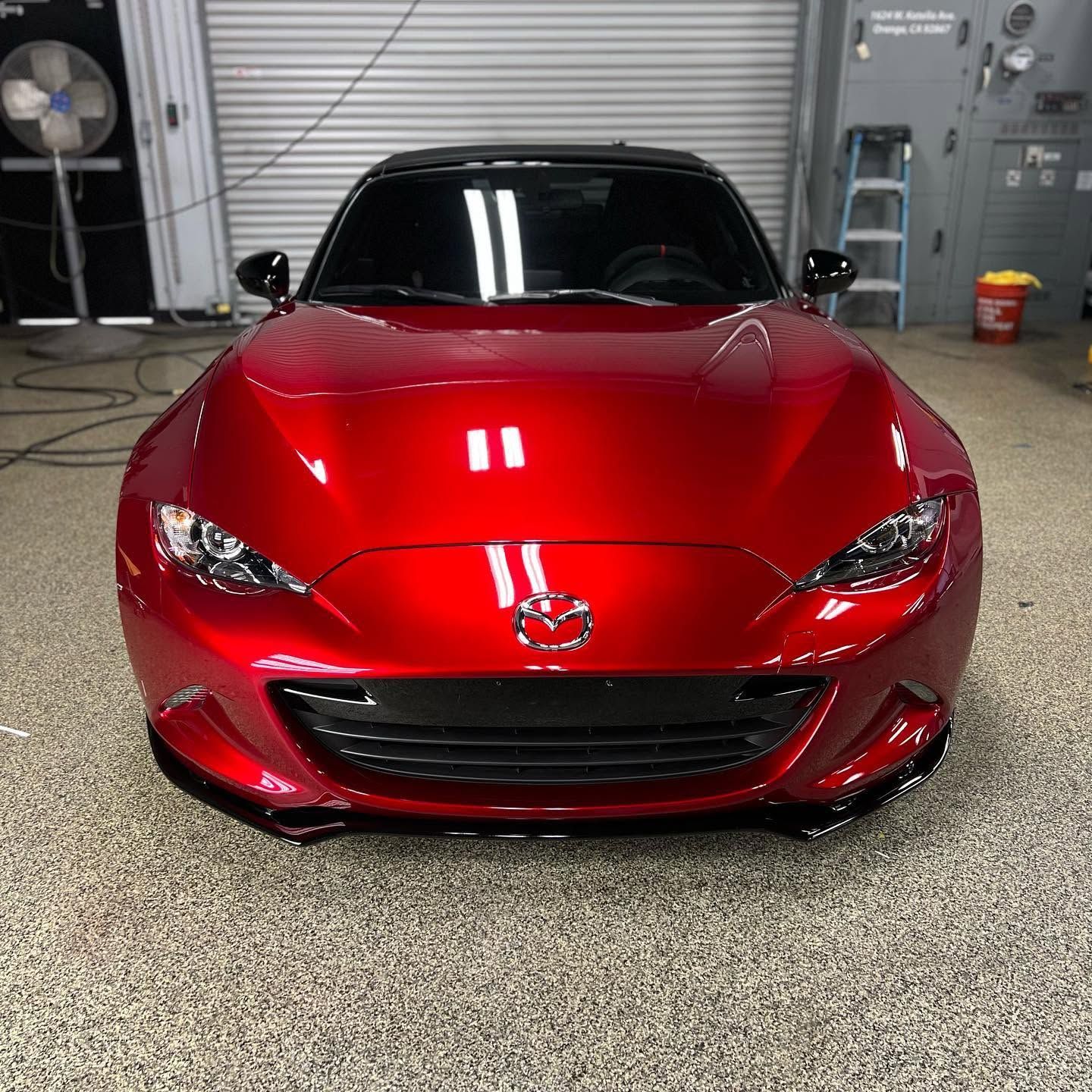
Gloss enhancement is one of the most immediately noticeable effects of a quality ceramic coating. The smooth, glass-like surface created by the cured coating reflects light with a depth and clarity that exceeds what the original clear coat alone produces, giving the paint a high-gloss, mirror-like finish.
Ceramic coating also provides a degree of scratch and swirl resistance. The hardness of the cured ceramic layer helps resist light surface marring from washing, dust, and incidental contact, though it is not a substitute for paint protection film when it comes to guarding against deeper scratches and rock chips.
Chemical resistance is another meaningful benefit. Acidic contaminants, alkaline cleaners, and industrial fallout that would etch an unprotected clear coat are significantly less effective against a properly applied ceramic coating.
Finally, the reduced maintenance requirements of a ceramic-coated vehicle represent real-world value over time. A hydrophobic, contaminant-resistant surface stays cleaner for longer, requires less effort to wash, and needs fewer intensive decontamination treatments than unprotected paint.
How Long Does Ceramic Coating Protect Against Oxidation
The lifespan of a ceramic coating depends on the quality of the product, the quality of the installation, and how well the vehicle is maintained over time. Entry-level consumer-grade ceramic coatings typically last one to two years before their protective properties begin to diminish. Professional-grade coatings applied by trained installers generally last between two and five years under normal conditions. Premium professional coatings from top-tier manufacturers, installed with proper paint preparation and curing, can last up to ten years.
Several factors influence where a specific coating falls within that range. Vehicles parked outdoors in high-UV environments or exposed to frequent road salt will see faster coating degradation than those kept in garages or driven in milder climates. Regular maintenance using pH-neutral wash products extends coating life significantly compared to using harsh or abrasive cleaners that degrade the ceramic layer over time.
It is worth noting that a ceramic coating does not simply stop working on a specific day. Its protective properties gradually diminish as the coating is worn down by environmental exposure and washing. Periodic inspection and, when appropriate, a top-up coat or full reapplication keep protection levels consistent over the life of the vehicle.
Ceramic Coating vs Wax for Oxidation Protection
Wax has been the traditional choice for paint protection for decades and remains popular due to its low cost and ease of DIY application. However, when it comes to preventing paint oxidation specifically, the difference between wax and ceramic coating is substantial.
Wax sits on top of the paint surface rather than bonding to it chemically. It fills surface imperfections temporarily and provides a modest hydrophobic effect and limited UV resistance. The problem is that wax is removed by washing, UV exposure, and general weathering within weeks to a few months of application. This means its oxidation-prevention benefits require constant reapplication to remain effective, and even then, they are limited compared to what a bonded coating provides.
Ceramic coating chemically bonds to the clear coat and remains in place for years. Its UV protection is significantly stronger, its hydrophobic properties are more durable, and its chemical resistance far exceeds what wax can offer. From a pure oxidation-prevention standpoint, ceramic coating is the more effective long-term investment by a wide margin.
For vehicle owners who wash their cars every few weeks and are comfortable with frequent wax reapplication, wax offers basic surface-level protection. For anyone who wants meaningful, long-lasting defense against paint oxidation without constant upkeep, ceramic coating is the better choice.
Does Ceramic Coating Completely Prevent Oxidation
This is an important question that deserves an honest answer. Ceramic coating significantly slows and delays paint oxidation, but it does not stop it completely. No currently available coating eliminates oxidation.
UV rays, oxygen, and moisture are present in every environment, and even the best ceramic coating allows some level of these elements to interact with the paint system over time. What ceramic coating does is dramatically reduce the rate at which oxidation progresses, extending the time before visible degradation appears and reducing the severity of that degradation when it does occur.
Maintaining the coating properly is essential to keeping it effective. Washing with pH-neutral products, avoiding prolonged exposure to harsh chemicals, and having the coating inspected periodically all contribute to maximizing its protective life. Parking in covered areas when possible reduces UV and moisture exposure even on a coated vehicle. Ceramic coating does the heavy lifting, but it works best as part of a broader approach to paint care rather than as a reason to abandon maintenance altogether.
Best Vehicles That Benefit from Ceramic Coating
While any vehicle can benefit from ceramic coating, certain situations make the investment particularly worthwhile.
Daily drivers who spend significant time outdoors and on the road are among the best candidates. These vehicles face constant UV exposure, road salt, bug splatter, and contaminant buildup that ceramic coating directly addresses. Luxury and high-end vehicles, where maintaining the paint in showroom condition is an important benefit, both from the protective properties and the gloss enhancement that ceramic coating provides.
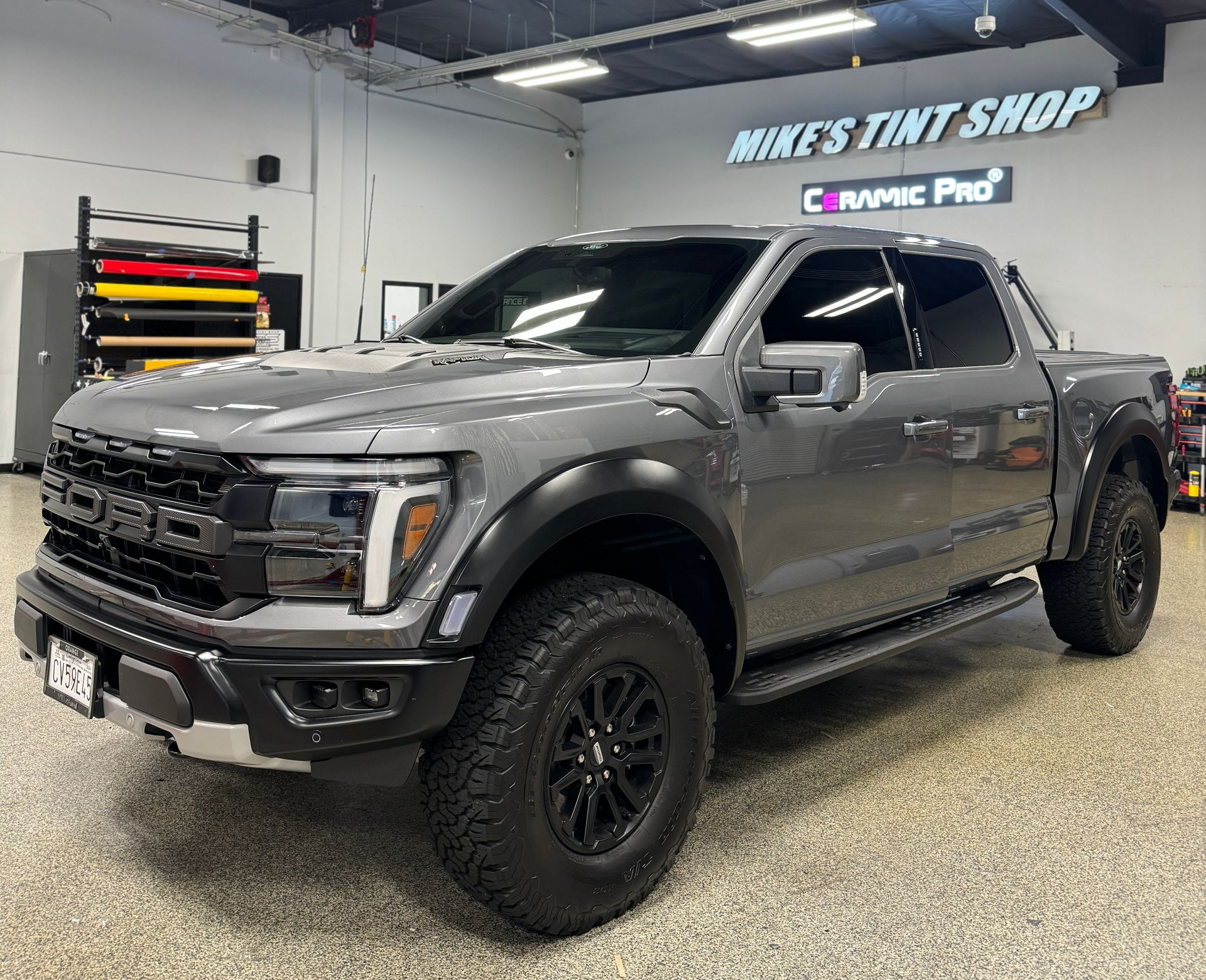
Trucks and SUVs, particularly those used for off-road driving or towing, face elevated exposure to road debris, mud, and environmental contaminants on lower body panels. Ceramic coating on these surfaces reduces the buildup and chemical reactivity that accelerate deterioration in high-exposure zones.
Dark-colored vehicles show oxidation more visibly than lighter ones, making early prevention particularly valuable. A black or dark blue vehicle that begins to show oxidation is immediately and noticeably affected, so protecting it early with ceramic coating preserves the depth and richness of the finish for significantly longer.
Vehicles kept in high-UV climates or coastal areas with salt air exposure also represent strong candidates for ceramic coating, since both environments are particularly aggressive in driving paint oxidation.
Why Professional Application Matters
The performance of a ceramic coating is directly tied to the quality of its application. A professionally applied coating consistently outperforms a DIY application, not because the product is necessarily different, but because the preparation and technique involved in professional installation are difficult to replicate at home.
Proper paint preparation is the most critical step. Before any ceramic coating is applied, the paint surface must be decontaminated to remove bonded contamination, iron particles, and surface residue. If the paint has existing swirl marks, light scratches, or early oxidation, paint correction is required before the coating goes on. Applying ceramic coating over uncorrected paint seals those defects beneath the coating rather than protecting clean paint, which defeats much of the purpose.
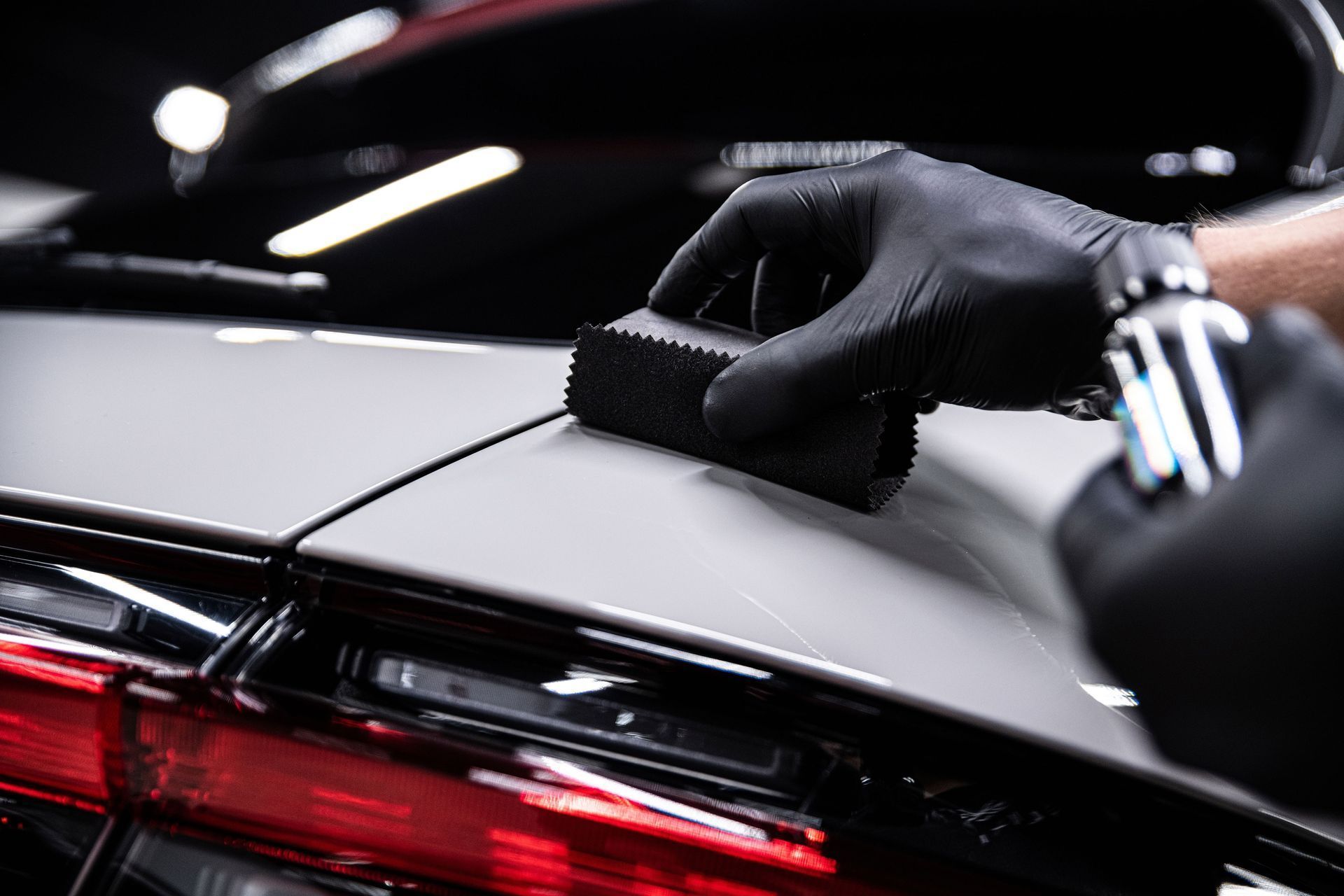
Application technique affects how evenly and completely the coating bonds to the paint surface. Professional installers apply the coating in controlled conditions, with attention to panel sections, overlap, and flash times that ensure complete coverage without high spots or uneven curing. The curing period following application, typically 24 to 48 hours in a controlled environment, is equally important for achieving full bond strength and durability.
A professionally applied ceramic coating from a quality installer will outlast and outperform a self-applied product on the same vehicle, making the professional route the better long-term investment for anyone serious about oxidation protection.
Protect Your Vehicle with Ceramic Coating at Mikes Tint Shop
Paint oxidation is a gradual process, but its effects are permanent without professional intervention. The best time to protect your vehicle is before oxidation sets in, and ceramic coating is one of the most effective tools available for doing exactly that.
At Mikes Tint Shop, we apply professional-grade ceramic coatings using proper preparation, controlled conditions, and products proven to deliver long-term results. Whether you drive a daily commuter, a luxury vehicle, a truck, or a weekend car, we can recommend the right coating package for your vehicle, your environment, and your goals.
Contact us today to book a consultation and find out how ceramic coating can protect your paint for years to come.
Frequently Asked Questions
Does ceramic coating stop oxidation completely?
No, but it significantly slows oxidation by blocking UV rays, oxygen, and contaminants from reaching the paint surface. It extends the life of the paint and delays the onset of visible degradation, but does not eliminate the process entirely.
How does ceramic coating protect against UV damage?
Ceramic coating forms a protective barrier that absorbs and deflects UV radiation before it can reach the clear coat and paint beneath. This reduces the molecular breakdown that causes fading and surface degradation over time.
Is ceramic coating better than wax for oxidation prevention?
Yes. Ceramic coating chemically bonds to the paint surface and lasts for years, while wax sits on top of the surface and is removed within weeks. The UV protection, chemical resistance, and hydrophobic properties of ceramic coating are significantly stronger and more durable than what wax provides.
How long does ceramic coating last?
Typically two to five years for professional-grade coatings, with premium products lasting up to ten years when properly maintained. Longevity depends on the product quality, the installation, the driving environment, and how the vehicle is washed and cared for over time.
Can ceramic coating be applied over oxidized paint?
Paint correction is required before ceramic coating is applied to oxidized paint. Applying coating over oxidized or damaged paint seals the defects rather than protecting clean paint, which reduces the effectiveness of the coating significantly. A professional installer will assess the paint condition and carry out any necessary correction before application.