5 STAR QUALITY SERVICE
Understanding the Different Types of Car Paint Protection Film and Their Applications
Every time you pull out of your driveway, your car's paint faces an invisible gauntlet. Rock chips flung by highway traffic, road debris, UV rays, bird droppings, tree sap, road salt, and general weathering all chip away at your finish, your resale value, and the pride you felt the day you drove off the lot.
Paint protection film, commonly known as PPF or clear bra, was engineered specifically to intercept that damage. Applied directly over your painted surfaces, PPF acts as a durable, nearly invisible shield that absorbs impacts and environmental contaminants so your factory finish does not have to. Today's film technology has advanced well beyond the basic clear bra of older generations. There are now multiple types of PPF, each with distinct materials, finishes, and performance characteristics designed for different vehicles, budgets, and lifestyles.
This guide covers everything you need to know about the types of car paint protection film available today and where each one works best on your vehicle.
What Is Car Paint Protection Film?
Paint protection film is a thin, durable film typically made from thermoplastic polyurethane (TPU) and applied over the exterior painted surfaces of a vehicle. The film is engineered to be flexible enough to conform to complex body curves, yet tough enough to absorb rock chips, scratches, minor abrasions, bug splatter, and UV radiation without transferring that damage to the paint beneath.
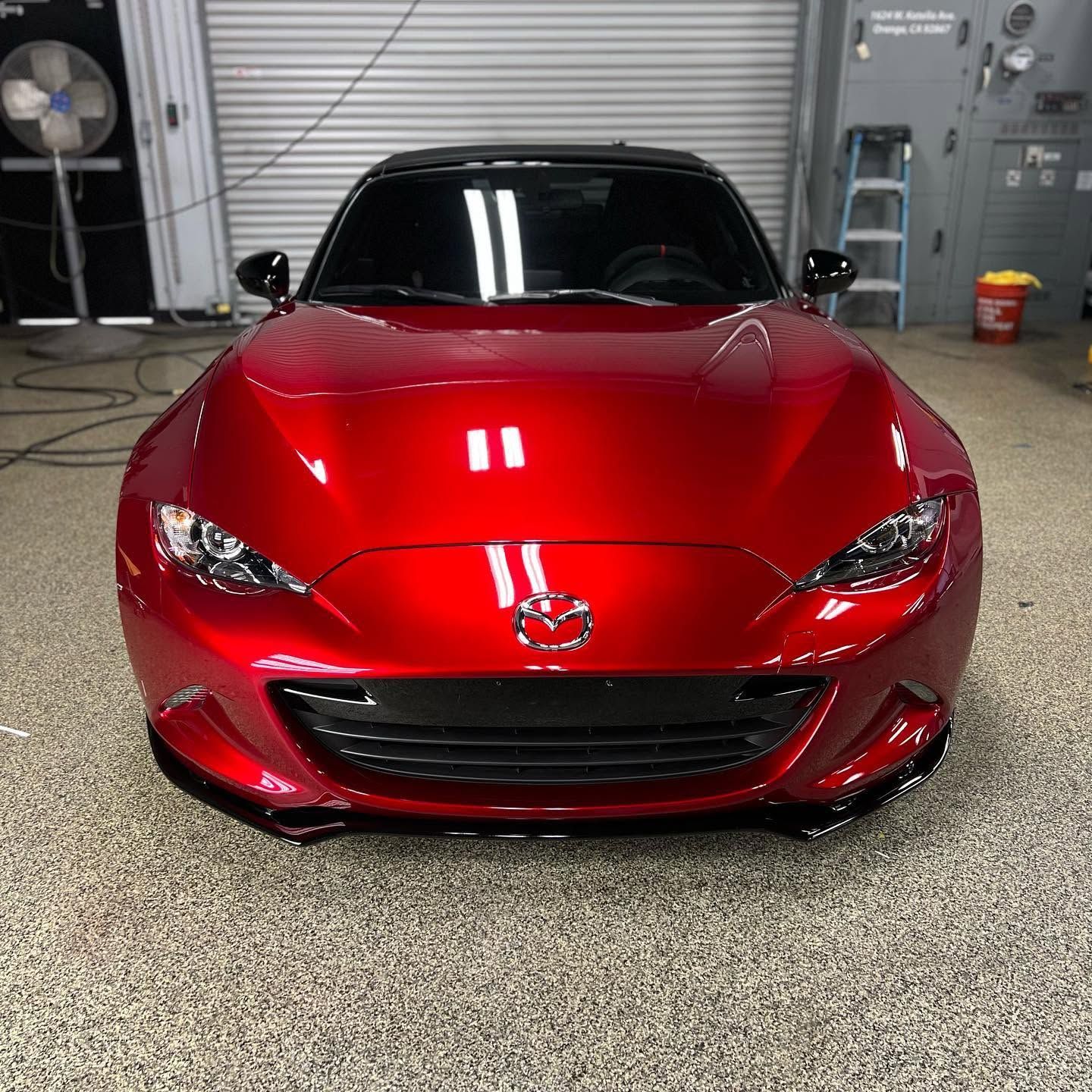
Modern PPF is designed to be nearly invisible once installed. High-quality urethane film carries an optically clear topcoat that maintains the depth and gloss of the paint beneath, while matte and satin variants are designed to complement or transform a vehicle's finish without altering its character. Most premium films also feature self-healing properties, meaning minor surface scratches can disappear on their own when exposed to heat, along with hydrophobic coatings that repel water and contaminants.
PPF is not the same as a vinyl wrap. Vinyl wraps are primarily a styling product. PPF is a protective product first, and it simply happens to be available in a wide range of finishes today, which blurs the line between the two categories for some buyers.
Why Different Types of PPF Matter
Not all paint protection film delivers the same result. The right PPF for a daily commuter is very different from the right film for a weekend track car, a matte-finished luxury coupe, or a lifted pickup that sees gravel roads on weekends. Film choice depends on your finish preference, driving habits, budget, maintenance expectations, vehicle type, and desired protection level.
Understanding what each type of PPF offers makes it far easier to match the right product to your specific vehicle and goals and helps you avoid paying for features you do not need or missing out on ones that would make a real difference.
Standard Clear Paint Protection Film
Standard clear PPF is the foundation of the paint protection film category and remains the most widely installed type. As its name suggests, it is completely transparent. Once applied, a properly installed clear film is virtually invisible to the naked eye, allowing your factory paint color and finish to show through exactly as intended.
The primary purpose of standard clear PPF is paint preservation. The film acts as a sacrificial layer between your paint and the physical world, absorbing rock chips, road debris, minor door dings, scratches, UV rays, and environmental contaminants that would otherwise damage your clear coat or base coat. Over time, this preservation directly supports resale value, since paint in excellent condition commands a significantly higher price on the used car market.
Standard clear PPF is best suited for daily drivers exposed to highway rock chips and road grime, new car buyers wanting to protect a factory finish from day one, luxury and premium vehicles where paint preservation is critical, and any owner who wants serious protection without changing the appearance of their vehicle. The most common applications are the front bumper, hood, front fenders, side mirrors, door edges, and rocker panels, which are the zones that take the most punishment during normal driving.
Matte and Satin Paint Protection Film
Matte and satin PPF serve two distinct purposes. For vehicles finished in matte or satin paint from the factory, or that have been repainted in a non-reflective finish, this film provides impact and UV protection while maintaining the exact character of that finish. Applying standard gloss PPF over matte paint would create an unwanted sheen and visibly alter the appearance. Matte PPF avoids that problem entirely.
The second use for matte or satin PPF is aesthetic transformation. By applying matte film over a gloss-painted vehicle, owners can achieve a stealth or satin look without committing to a repaint. This is increasingly popular on performance vehicles, premium SUVs, and custom builds where a non-reflective finish sets the car apart. Because PPF is removable, the transformation is reversible, and the original gloss paint underneath remains completely untouched.
It is worth noting that matte factory paint is notoriously difficult to care for without the right protection. Unlike gloss finishes, matte paint cannot be polished if scratched or contaminated. Matte PPF provides a renewable, sacrificial layer that can be replaced if needed without ever touching the original paint beneath.
Self-Healing Paint Protection Film
Self-healing PPF is arguably the most technically impressive category in the market today. The film's topcoat is formulated with an elastomeric polymer layer that has memory properties. When a minor scratch or swirl mark is introduced to the surface, exposure to heat causes the polymer to flow back into its original state, effectively making the scratch disappear on its own.
The heat activation can come from direct sunlight, a warm garage, or warm water poured over the affected area. Deeper cuts and gouges that penetrate through the film's topcoat will not self-repair, but the vast majority of light scratches, car wash swirl marks, and minor scuffs that accumulate through normal daily use will vanish over time without any intervention from the owner.
For vehicles that are driven frequently, washed regularly, or parked in areas with high foot traffic or tight spaces, self-healing PPF delivers long-term appearance benefits that are difficult to match with any other type of film. It is particularly well-suited for daily drivers, luxury vehicles, and any car where maintaining a pristine appearance over a multi-year ownership period is a priority.

Hydrophobic and Stain-Resistant PPF
Hydrophobic PPF features a topcoat engineered to repel water, oils, and contaminants at the molecular level. When water contacts the film surface, it beads up and sheets off rather than spreading and sitting on the surface. This dramatically reduces water spotting, mineral deposit buildup, and the amount of contaminant that bonds to the film between washes.
The practical benefit is a vehicle that stays cleaner between washes, requires less aggressive cleaning to restore its appearance, and is far more resistant to the staining and etching caused by bird droppings, bug splatter, tree sap, and road grime. In environments with heavy seasonal road salt use, hydrophobic PPF also reduces salt adhesion on lower body panels and rocker areas.
A hydrophobic surface can often be rinsed clean with water alone during light contamination events, reducing how often a full wash is necessary and extending the intervals between professional detailing. This makes it an excellent choice for owners in rainy or high-humidity climates, busy drivers with limited time for frequent washing, and vehicles regularly exposed to the kinds of organic contaminants that stain and etch unprotected surfaces.
Ceramic-Infused Paint Protection Film
Ceramic-infused PPF represents the convergence of two previously separate protection categories: traditional paint protection film and ceramic coating technology. In standard installations, a ceramic coating is applied as a separate product on top of PPF to enhance gloss and hydrophobic performance. Ceramic-infused films incorporate ceramic-like compounds directly into the film's topcoat layer during manufacturing, combining both benefits into a single product.
The result is a film that delivers the physical impact resistance and rock chip protection of traditional PPF alongside the intense gloss depth, superior water beading, and contaminant resistance associated with ceramic coatings. The integrated approach also eliminates the need for periodic ceramic coating reapplication on top of the film, since the ceramic properties are built into the film itself from the start.
Ceramic-infused PPF is best suited for owners who want maximum gloss enhancement alongside physical protection, those seeking the easiest possible ongoing maintenance experience, and luxury or exotic car owners who want the highest tier of single-film protection available.
Colored and Custom Paint Protection Film
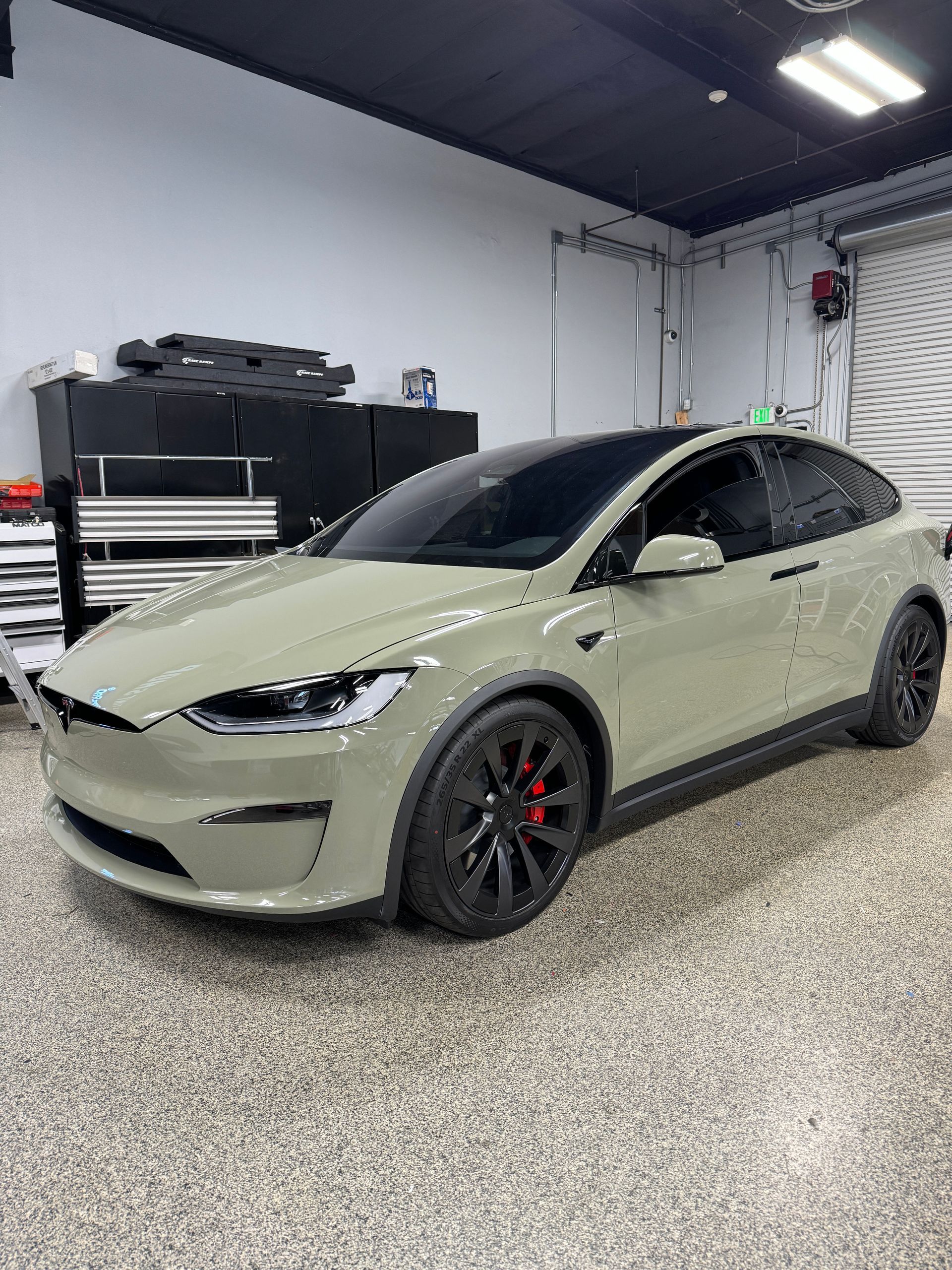
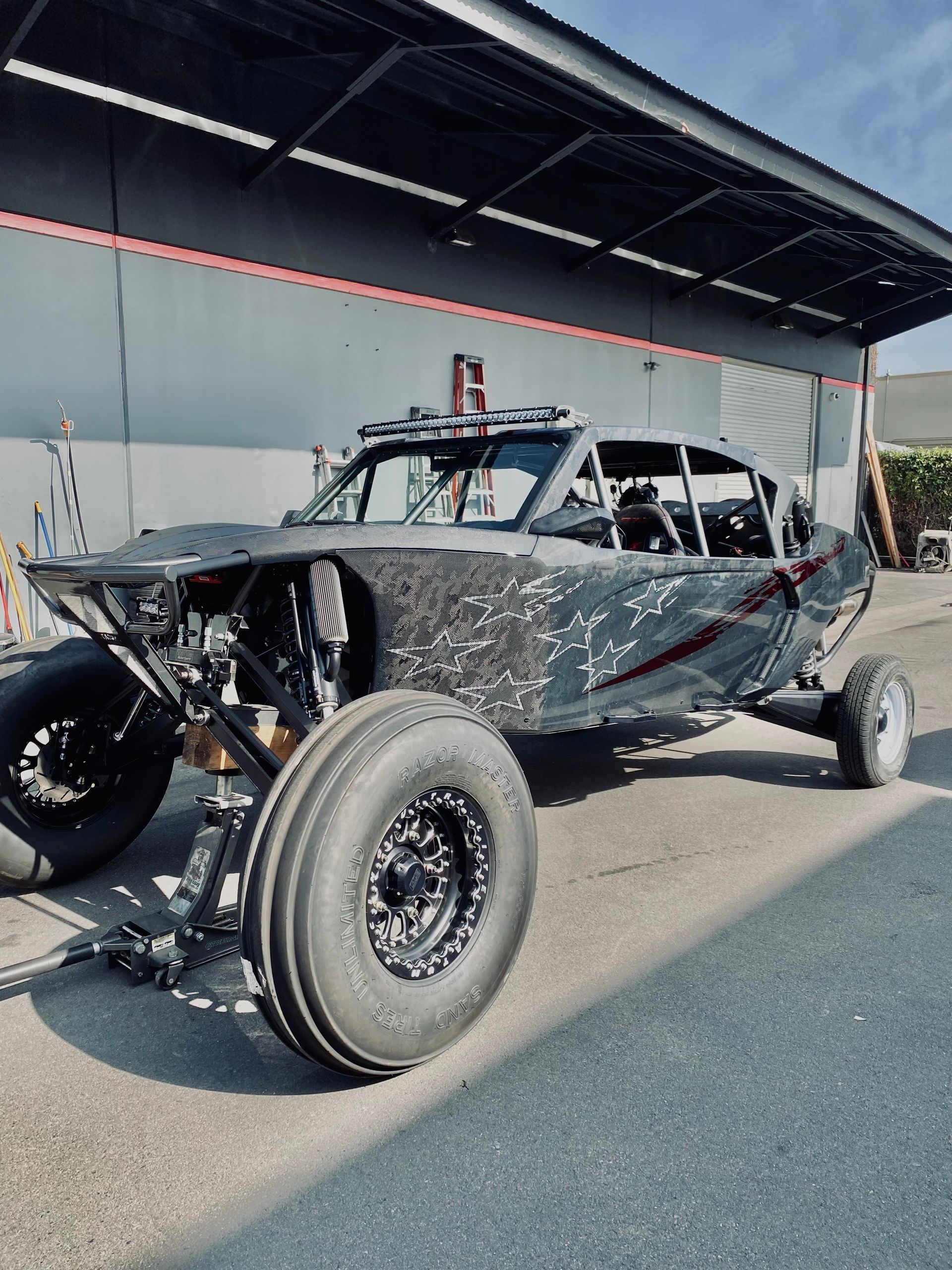
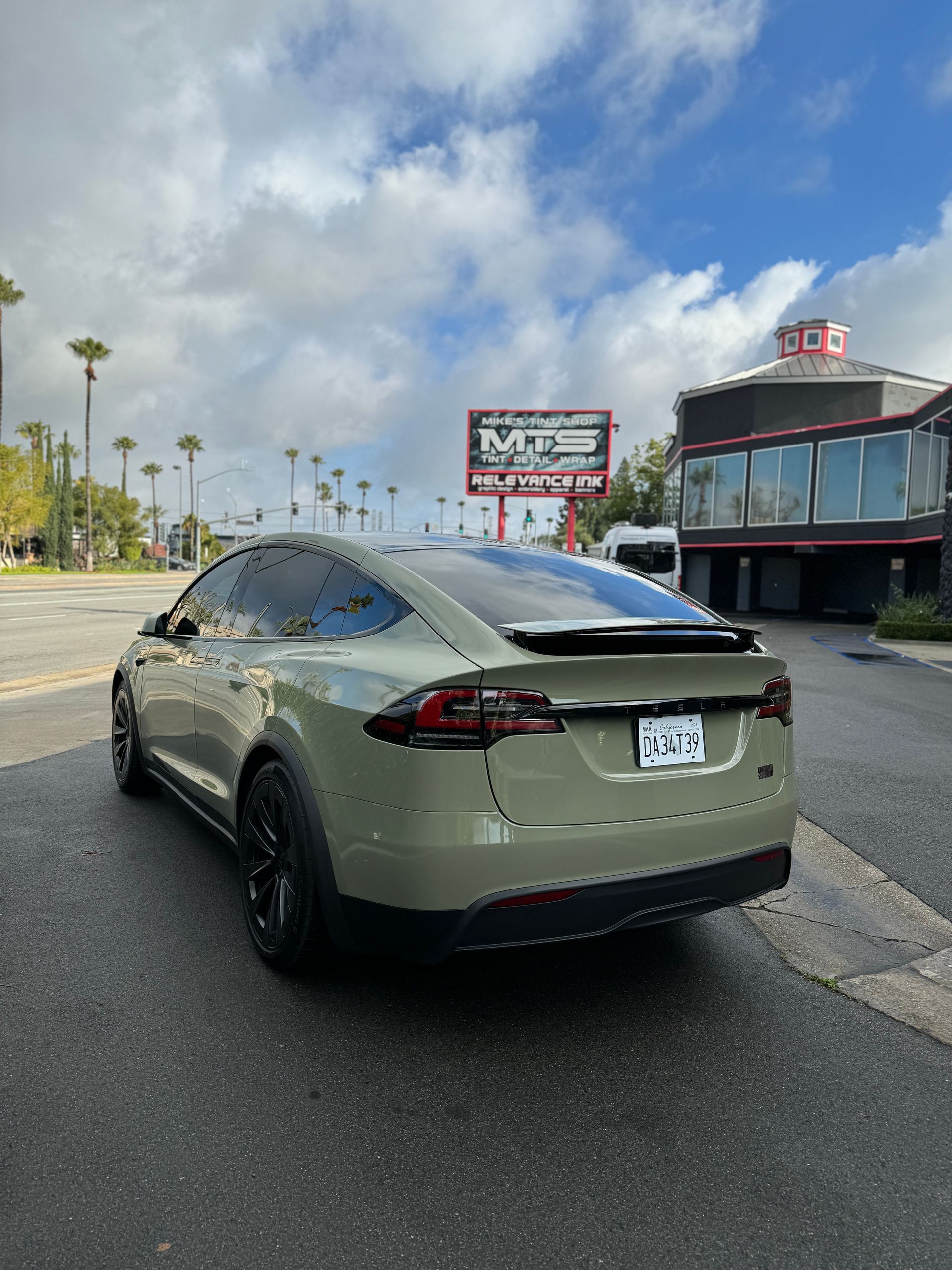
Colored PPF occupies the intersection between paint protection and vehicle customization. Rather than being transparent, colored PPF films are manufactured in a wide range of finishes, including gloss colors, satin tones, matte shades, metallic sheens, prismatic effects, and even carbon fiber textures. This allows owners to completely transform the visual character of their vehicle while the original factory paint is preserved beneath.
From a practical standpoint, colored PPF offers several advantages over a traditional respray. Installation time is typically shorter than a quality paint job. The original paint is never sanded, primed, or altered in any way. If the owner wants to sell the vehicle or change the look in the future, the film can be removed to reveal the factory paint in its original condition underneath.
This makes colored PPF a compelling choice for lease vehicles where modifications must be reversible, as well as for enthusiasts who want to experiment with different looks without committing permanently to a single color or finish. It combines the customization appeal of a vinyl wrap with the protective performance of a proper paint protection film.
PPF Material Types: TPU, TPH, and Polycarbonate
Behind every PPF product is a base material that determines much of its performance, longevity, and long-term appearance. Understanding the differences between the primary material types helps explain why pricing and quality vary so widely across the PPF market.
TPU, or thermoplastic polyurethane, is the premium standard for quality paint protection film. It is highly flexible, extremely durable, resistant to yellowing, and delivers the best self-healing performance available in the category. TPU-based films from reputable manufacturers represent the industry benchmark, and the vast majority of quality PPF products sold today are built on a TPU foundation.
TPH, or thermoplastic hybrid, is a lower-cost alternative sometimes found in budget-tier PPF products. TPH films are more prone to yellowing over time, may develop an orange-peel texture as they age, and can leave adhesive residue on the paint surface when removed. For any vehicle where long-term appearance matters, TPH film is generally not recommended.
Polycarbonate TPU is positioned at the advanced end of the market, offering enhanced optical clarity, superior structural durability, strong hydrophobic performance, and excellent self-healing response. It represents the top tier of current PPF material technology and is found in the most premium film products available.
For most vehicle owners, TPU-based film from a reputable manufacturer represents the best balance of performance, longevity, and value. The modest price difference between quality TPU film and budget-tier alternatives is almost always worth it over the lifespan of the product.
Best Areas to Apply Paint Protection Film
PPF can be applied to any painted exterior surface on a vehicle, from a targeted section to a complete full-body wrap. The decision on coverage area typically comes down to budget, driving environment, and the level of protection desired.
The front bumper is the single most important area to protect. It is the first surface to collect rock chips, road debris, and bug splatter during highway driving and should be considered essential in any PPF plan. The hood is equally critical, as it faces constant exposure to debris thrown by the vehicle ahead and to UV radiation from above. Front fenders sit directly in the path of road debris thrown by the front tires and see significant chip exposure at highway speeds.
Side mirrors are exposed to wind-driven debris from all directions and are frequently overlooked until they show visible damage. Rocker panels face constant exposure to road spray, salt, gravel, and curb contact. Door cups and door edges are high-contact areas that accumulate fingernail scratches and edge chips over time. The trunk or boot ledge is a common scuff zone from loading and unloading cargo.
For most daily drivers, a full-front package covering the bumper, hood, fenders, mirrors, and rocker panels provides comprehensive protection of the highest-risk zones at a reasonable investment. Owners of exotic or high-value vehicles, trucks and SUVs that see rough conditions, or anyone wanting complete peace of mind may find a full-body wrap to be the right choice.
How to Choose the Right PPF for Your Vehicle
The best type of PPF depends on how you use your vehicle and what outcome matters most to you. Here is a straightforward guide to matching film type to use case.
For city and daily driving, standard clear PPF on the high-impact zones is the right foundation. Adding self-healing film is a smart upgrade if the car is tight-parked frequently or goes through a lot of car wash cycles. For highway commuters, thicker or self-healing TPU clear PPF on the full front is the best choice, since rock chip frequency is high and film thickness and self-repair properties matter most in that environment.
Luxury and exotic car owners should look at ceramic-infused or full-front clear PPF, with a full-body upgrade for maximum protection. The investment in these vehicles warrants the highest tier of coverage available. For vehicles with matte factory paint, matte or satin PPF is not optional; it is essential. Standard gloss film will visually alter the finish and should never be used over non-reflective paint.
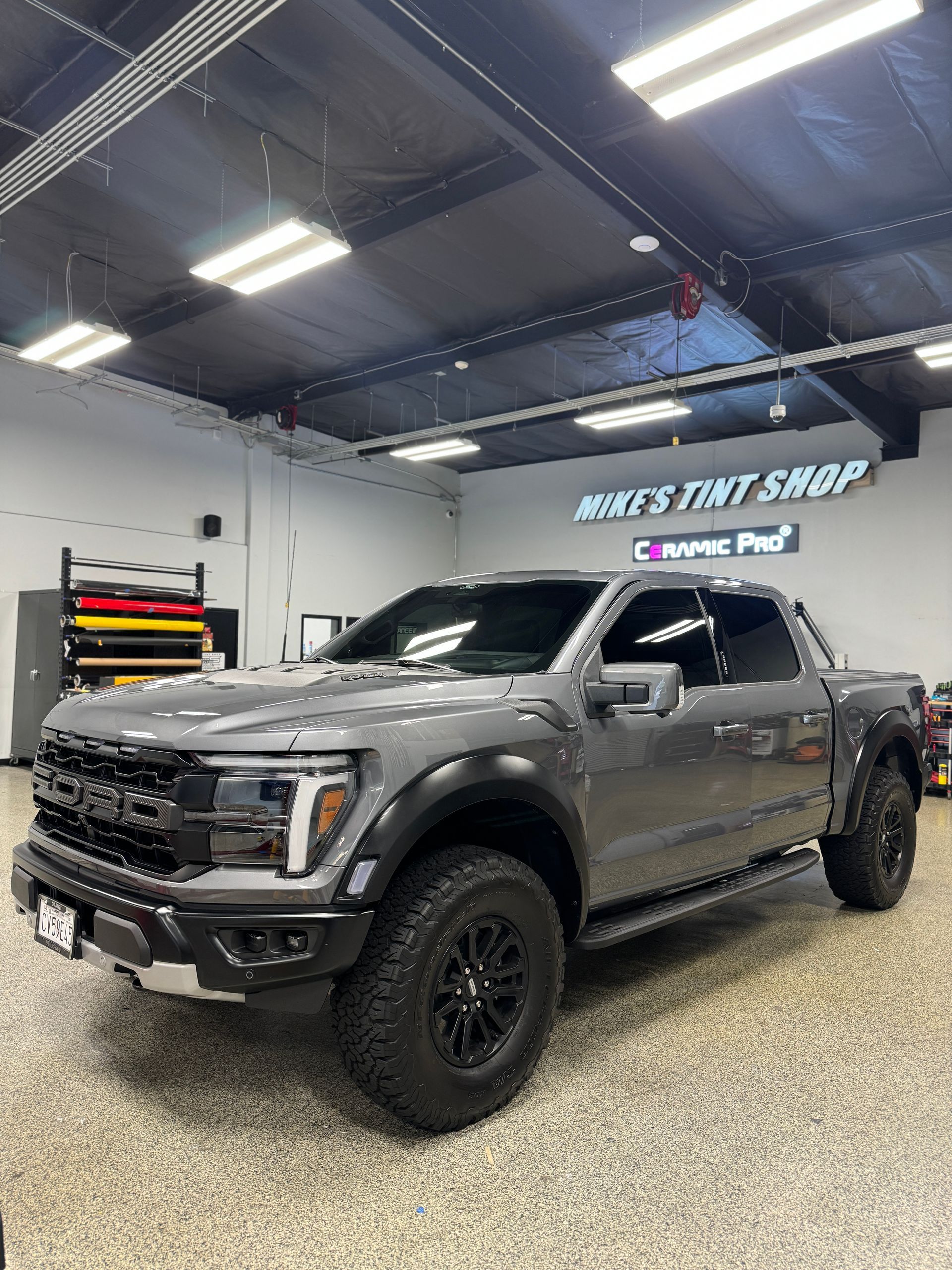
Owners focused on customization should explore colored or custom PPF for a reversible style change that also protects the original paint. For anyone whose priority is low-maintenance ownership, hydrophobic or ceramic-infused PPF will keep the car cleaner for longer and significantly reduce the effort required between washes. Trucks, SUVs, and off-road vehicles should prioritize high-impact coverage on rocker panels, lower bumpers, hoods, and fenders, with emphasis on film thickness and abrasion resistance over gloss enhancement.
Why Professional Installation Matters
Paint protection film is only as good as the installation behind it. Even the highest-quality TPU film will underperform if improperly applied, and a poor installation can create results that are worse than no film at all.
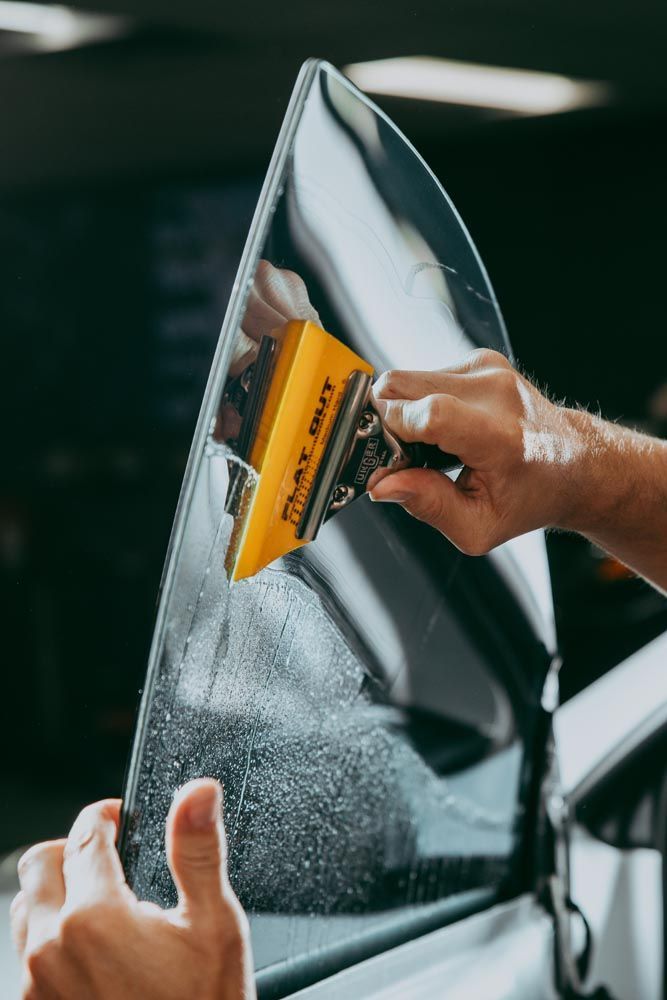
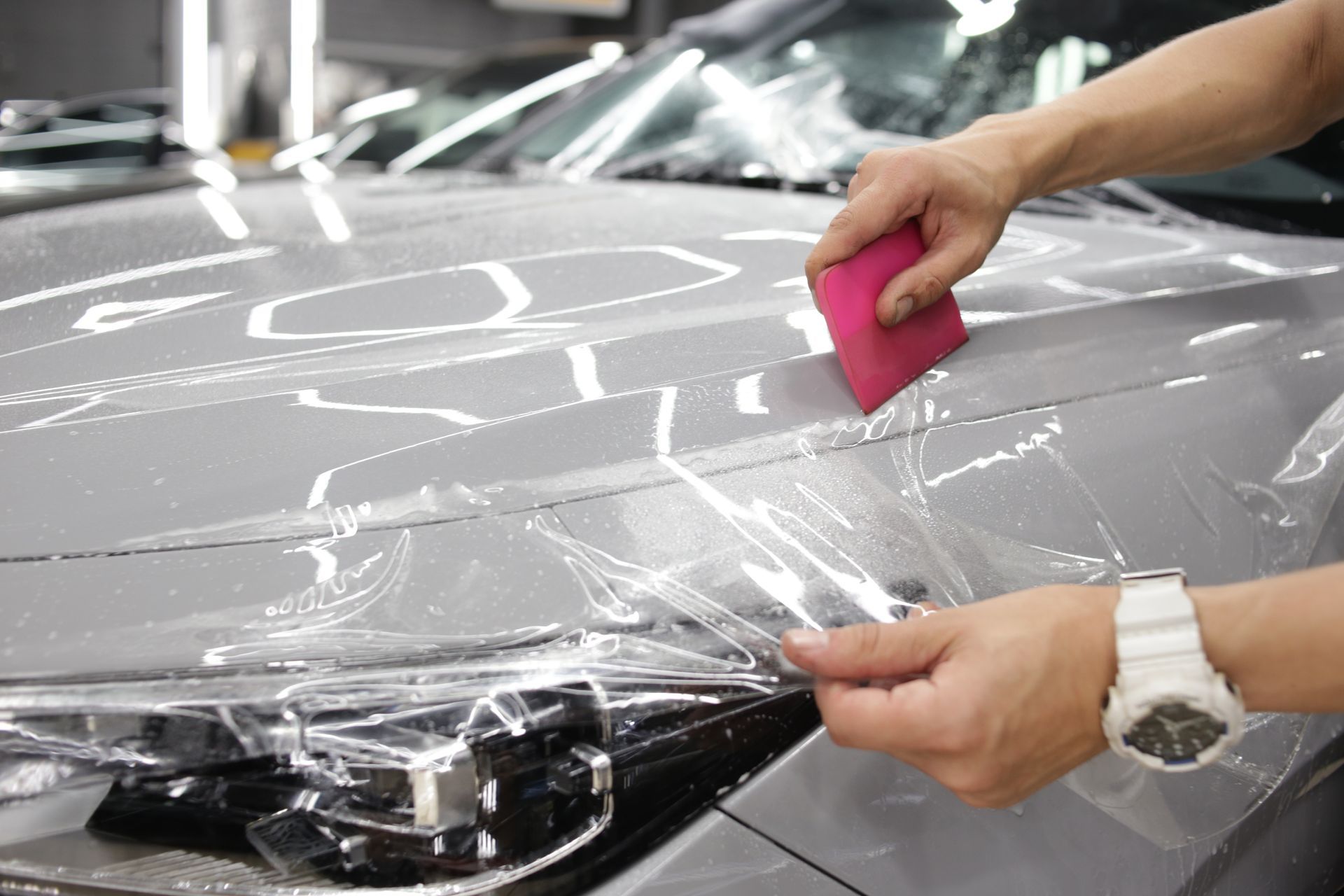
Professional installation begins with thorough surface preparation. The vehicle's paint is decontaminated, polished if necessary, and cleaned to ensure no trapped dust, debris, or contaminants are sealed under the film. Pre-cut patterns generated by specialist software ensure precise panel coverage without visible gaps or lifting edges. During application, trained technicians work the film into body lines, curves, and complex geometry without introducing bubbles, creases, or tension points that cause premature lifting.
After application, the film requires a proper curing period, typically 24 to 72 hours, during which the adhesive fully bonds to the paint surface. A professionally installed film should appear seamless, with no lifting edges, no trapped debris, and no visible distortion of the paint beneath.
Attempting a DIY installation without the proper tools, a controlled environment, and hands-on experience almost always results in bubbles, lifting corners, and a finish that detracts from the vehicle's appearance rather than protecting it.
How to Maintain Paint Protection Film
PPF requires relatively simple maintenance, but following the right care routine helps ensure the film performs well and lasts for the full duration of its warranty period.
Hand wash the vehicle regularly using a gentle, pH-neutral soap and clean microfiber wash mitts. Acidic or alkaline cleaners can degrade the film's topcoat and hydrophobic properties over time, so pH-neutral products are important. Use microfiber towels for drying and avoid paper towels or rough cloths that can introduce fine scratches to the film surface.
Avoid harsh chemicals, abrasive polishes, and paint correction products on or near the film. Many products designed for bare paint are not compatible with PPF topcoats. When using a pressure washer, maintain a reasonable distance and avoid directing high-pressure streams directly at film edges, which can cause lifting over time.
Inspect edges and high-impact areas annually for any signs of lifting, bubbling, or film damage. Addressing issues early prevents them from developing into larger problems. Avoid parking under trees for extended periods where possible, as bird droppings and tree sap left untreated on the film surface can cause etching over time.
With proper care, high-quality PPF from a reputable manufacturer should last five to ten years or more before needing replacement, depending on driving conditions and climate exposure.
Get Expert Paint Protection Film Installation at Mikes Tint Shop
Choosing the right PPF comes down to understanding your vehicle, driving habits, finish preferences, and protection goals. At Mikes Tint Shop, we help you work through those variables and select the film type and coverage package that makes the most sense for your situation, with no upselling and no guesswork.
Whether you need targeted front-end protection for a daily driver, full-body coverage for a luxury vehicle, or a matte or colored film for a custom build, our team has the experience and the products to get it done right. Contact us today to discuss your vehicle and get a straightforward quote.
Frequently Asked Questions
What type of paint protection film is best?
The best PPF depends on your specific needs. Standard clear PPF is best for invisible protection that preserves your factory finish. Matte PPF is essential for vehicles with non-reflective paint. Self-healing PPF delivers the best long-term appearance for daily drivers and luxury vehicles. Ceramic-infused PPF offers the strongest combination of gloss, ease of cleaning, and physical protection. The right starting point is a conversation with a professional installer about how you use your vehicle and what matters most to you.
Is self-healing PPF worth the extra cost?
For most daily drivers and luxury vehicle owners, yes. Self-healing PPF eliminates the fine scratches and swirl marks that accumulate through routine use including car washing, light contact in parking lots, and dust wiping, without any action needed from the owner. Over a typical ownership period, a self-healing film will maintain a noticeably better appearance than standard clear film on the same vehicle under the same conditions.
Where should PPF be applied first?
Start with the highest-impact zones: the front bumper, hood, and front fenders. These three areas absorb the vast majority of rock chips and road debris during normal driving. Adding side mirrors, rocker panels, and door cups rounds out a comprehensive high-impact package that covers the areas most likely to show visible paint damage over time.
Can PPF be applied to matte paint?
Yes, but only with matte or satin PPF specifically. Applying standard clear gloss PPF over matte paint will alter the finish, adding an unwanted sheen that changes the character of the paint. Matte PPF is engineered to protect non-reflective finishes while maintaining their exact visual properties.
Is colored PPF better than repainting?
For many owners, yes, depending on the goal. Colored PPF achieves a full color or finish change while leaving the factory paint completely intact underneath. It is typically faster and less disruptive than a professional respray, and it is fully reversible if the owner wants to return to the original paint or change the look again in the future.