5 STAR QUALITY SERVICE
How Ceramic Coating Protects Against Environmental Damage
Every day your vehicle sits in a driveway, navigates a commute, or parks under an open sky, it faces a relentless lineup of threats. UV rays are breaking down your paint's pigment. Bird droppings are etching into your clear coat. Tree sap is hardening on your hood. Acid rain and road salt are working their way into microscopic surface imperfections. Over time, all of that adds up to a finish that looks dull, feels rough, and is harder to keep clean.
Ceramic coating was developed specifically to get between your paint and that kind of damage. At Mike's Tint Shop, we apply ceramic coatings as a long-term investment in your vehicle's appearance and protection. This guide breaks down exactly what ceramic coating does, what it protects against, and what you should realistically expect from it.
What Is Ceramic Coating?
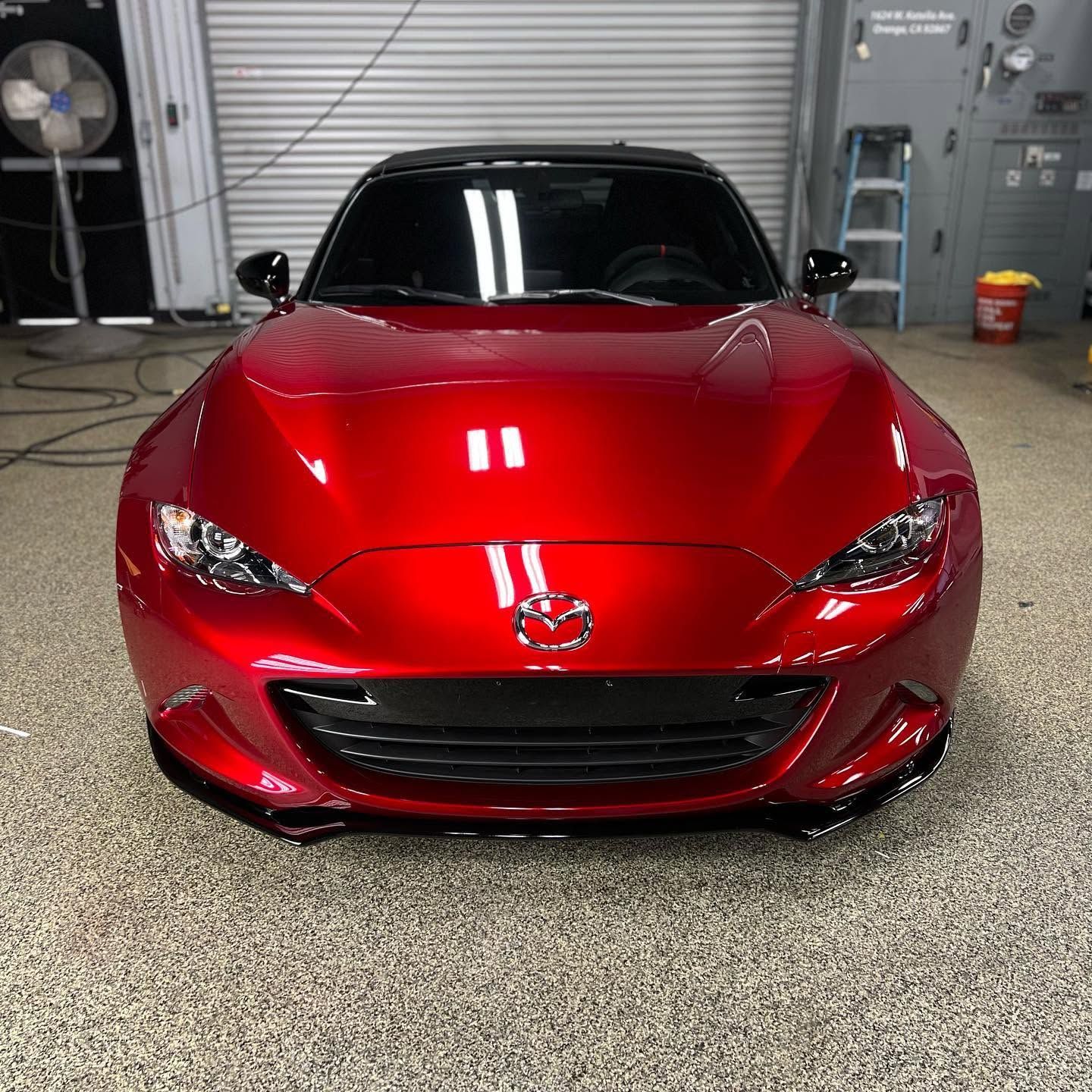
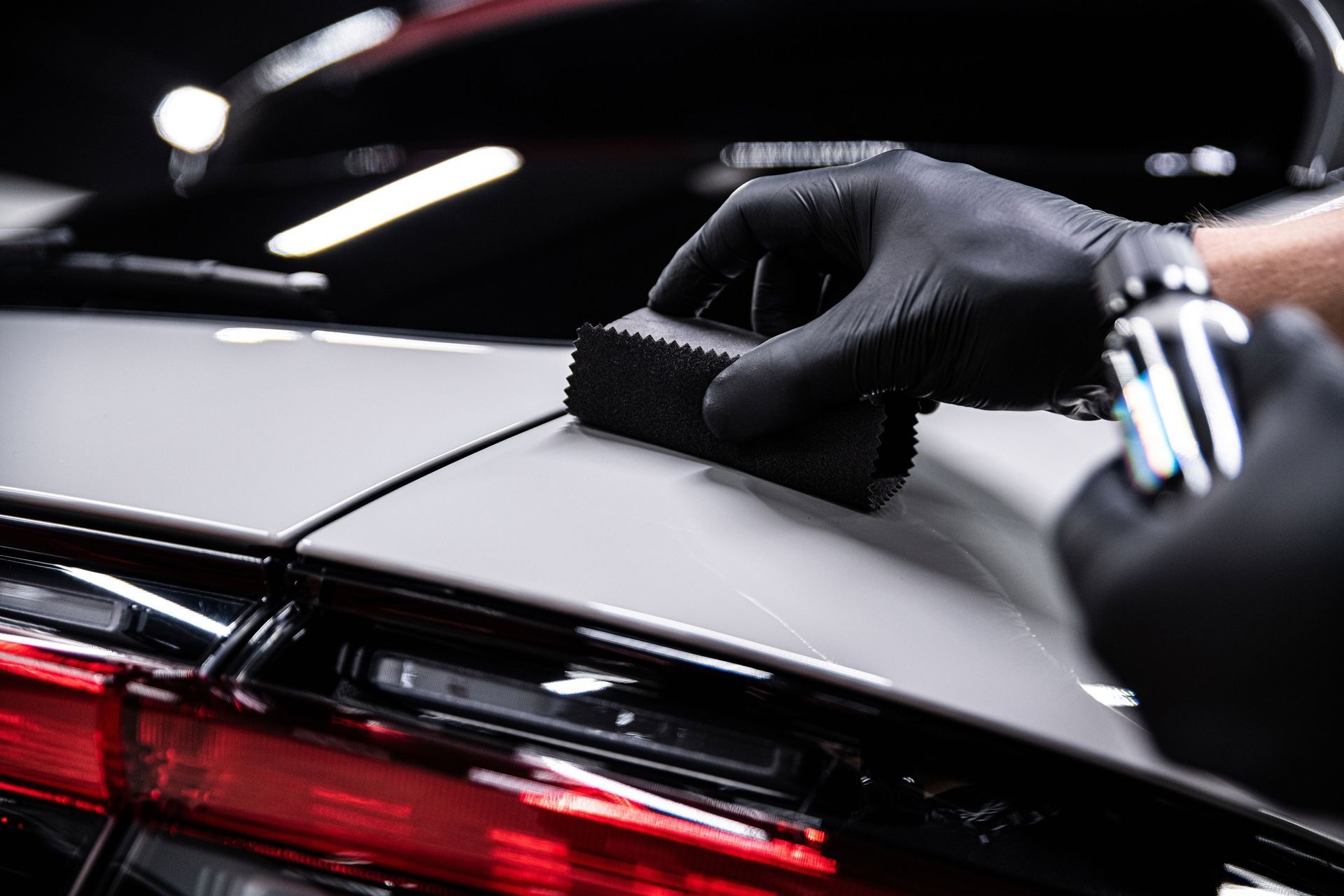
Ceramic coating is a liquid made with silicon dioxide (SiO₂) that sticks to your car's clear coat when you apply and let it dry. Unlike a wax or spray sealant that sits on top of the surface temporarily, a ceramic coating forms a durable, semi-permanent layer that becomes part of the surface itself.
That bonded layer is hydrophobic, slick, UV-resistant, and chemically stable. It acts as a sacrificial barrier between your paint and the environment, so contaminants interact with the coating before they ever reach your clear coat or paint.
How Ceramic Coating Works
The chemistry is straightforward once you understand it. When ceramic coating is applied to a properly prepared surface, the SiO₂-based formula bonds covalently with the clear coat. It solidifies into a layer that resembles glass as it cures, filling in the tiny pores and flaws on the paint's surface.
The result is a surface that:
- Repels water and contaminants through hydrophobic action
- Resists chemical reactions from acidic or caustic substances
- Deflects and absorbs UV radiation before it reaches the underlying paint
- Provides a slick, low-friction barrier that makes cleaning significantly easier
This is the mechanism behind every benefit ceramic coating delivers. Everything else flows from that bond.
Environmental Threats: Ceramic Coating Helps Reduce
UV Rays and Oxidation
Ultraviolet radiation is one of the most consistent threats to your vehicle's finish. UV exposure breaks down paint pigments and degrades the clear coat over time, leading to fading, dullness, and chalking. In extreme cases, the clear coat begins to peel.
The SiO₂ layer in a quality ceramic coating absorbs and reflects UV rays, slowing the rate at which they reach and degrade the underlying paint. This helps preserve your vehicle's gloss, color depth, and overall appearance for years longer than an unprotected finish.
Bird Droppings, Bug Splatter, and Tree Sap
These three contaminants are some of the most damaging your paint encounters, and all three share the same core problem: acidity. Bird droppings and bug splatter are highly acidic and begin etching into the clear coat quickly if left untreated. Tree sap hardens and bonds to the surface, making removal difficult and risky without the right products.
Ceramic coating reduces the direct contact between those contaminants and your clear coat. Because the surface is slicker and more chemically resistant, the coating absorbs the initial impact rather than your paint. Cleanup also becomes significantly faster, which matters because the longer those substances sit, the more damage they can cause.
Acid Rain, Industrial Fallout, and Road Salt
Rain that passes through polluted air picks up sulfur dioxide and nitrogen oxides, making it mildly acidic by the time it hits your hood. Industrial fallout, which includes metallic particles and airborne pollutants common near highways and industrial areas, bonds to paint and causes slow, cumulative corrosion. Road salt in winter climates is similarly corrosive and works its way into any surface vulnerability it can find.
Ceramic coating's chemical resistance creates a stable barrier against all three. The coating is far less reactive than raw clear coat, which means those corrosive substances have a much harder time penetrating or etching the surface.
Water Spots, Dirt, and Grime
A hydrophobic surface does not just look acceptable. It changes how your vehicle interacts with water and debris on a practical level. Water beads and rolls off rather than sitting flat and evaporating into mineral deposits. Dirt and grime are less likely to bond to the slick, sealed surface. When they do accumulate, a simple wash removes them far more easily.
Over the long term, this benefit means less frequent deep cleaning, less risk of wash-induced scratches from scrubbing at stuck-on grime, and a vehicle that consistently looks cleaner between washes.
Light Scratches and Swirl Marks
Ceramic coating can help reduce the visibility and occurrence of light surface scratches and swirl marks, which typically come from improper washing techniques, brushes, or fine debris dragging across the paint. The hardened outer layer provides some resistance to minor abrasions.
What ceramic coating does not do is make your vehicle scratch-proof. Deep scratches, rock chips, and heavy impact damage will still reach the paint. For that level of protection, paint protection film (PPF) is the appropriate solution. We will cover the distinction between ceramic coating and PPF in a later section.
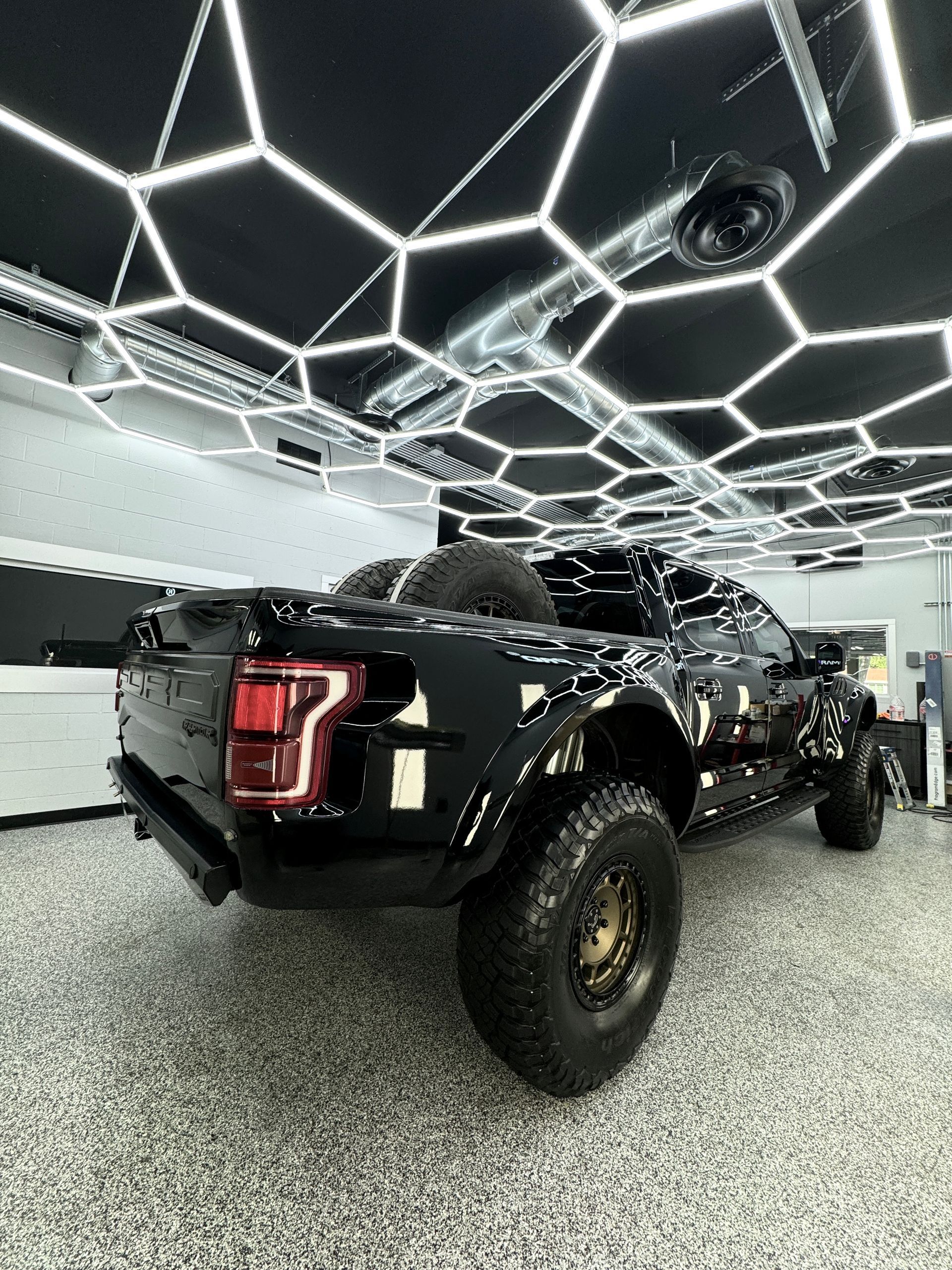
Benefits Beyond Protection
Once applied, many vehicle owners immediately notice a set of secondary advantages that complement the protective benefits of ceramic coating.
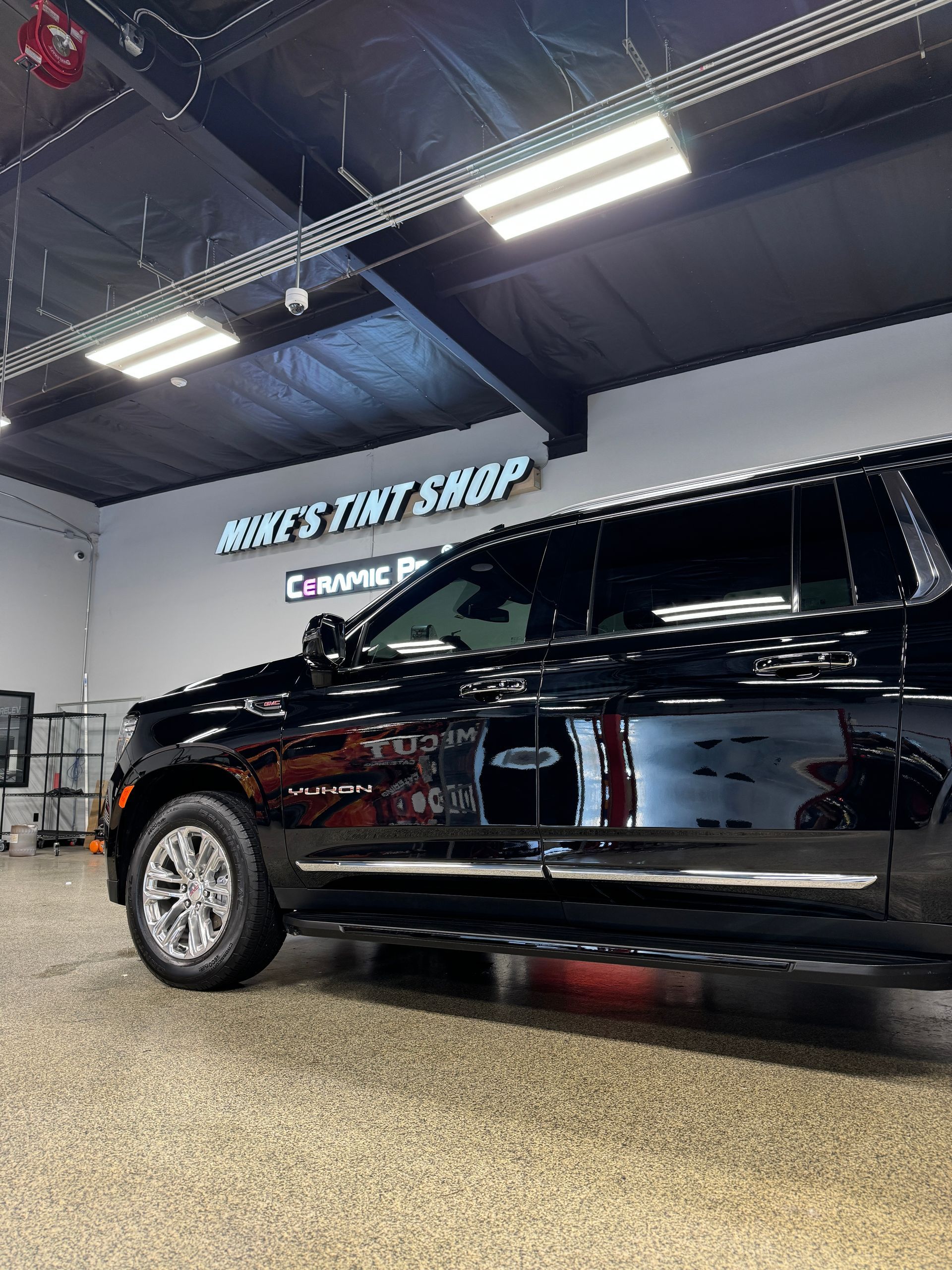
Enhanced gloss and color depth. The glass-like surface amplifies reflectivity, giving your paint a richer, deeper appearance than it had before.
Easier washing. Maintenance becomes noticeably less work. Contaminants are released from the slick surface with minimal effort, reducing wash time and the risk of introducing new scratches.
Less frequent polishing and paint correction. Because the coating is doing the heavy lifting against environmental wear, your clear coat stays in better shape, which means less need for corrective services over time.
Resale value support. A vehicle with a well-maintained finish commands more attention and confidence at the point of sale. Ceramic coating helps preserve that condition over the years you own it.
Ceramic Coating vs. Wax and Sealant
Traditional waxes and paint sealants provide a layer of temporary protection that typically lasts anywhere from a few weeks to a few months before breaking down and requiring reapplication. They can add gloss and provide short-term contaminant resistance, but they do not chemically bond with the surface and do not offer the same durability or chemical resistance as a ceramic coating.
Ceramic coating is the longer-term solution. A quality coating can last roughly two to five years, depending on the product, application quality, environmental exposure, and maintenance routine. For vehicle owners who want protection that holds up without constant reapplication, ceramic coating is the more practical investment.
Ceramic Coating vs. PPF
This is a distinction worth being clear about. Ceramic coating and paint protection film are both legitimate forms of paint protection, but they are designed to address different threats.
Ceramic coating excels at defending against UV exposure, chemical contamination, water spots, bird droppings, acid rain, and everyday environmental wear. It is not designed to absorb physical impact.
PPF is a thick, clear thermoplastic film that absorbs rock chips, road debris, and physical impact damage that would otherwise cut through to the paint. High-quality PPF also offers self-healing properties that ceramic coating does not have.
The two products can be used together, and often, they work best that way. PPF handles the impact protection, while ceramic coating handles the chemical and UV defense. At Mike's Tint Shop, we can help you evaluate which combination makes sense for how you drive and where you park.
Why Professional Installation Makes the Difference
A ceramic coating is only as effective as the surface it is applied to. If the paint has contaminants, oxidation, swirl marks, or surface imperfections when the coating goes on, those defects get sealed underneath it. That is why professional preparation is critical.
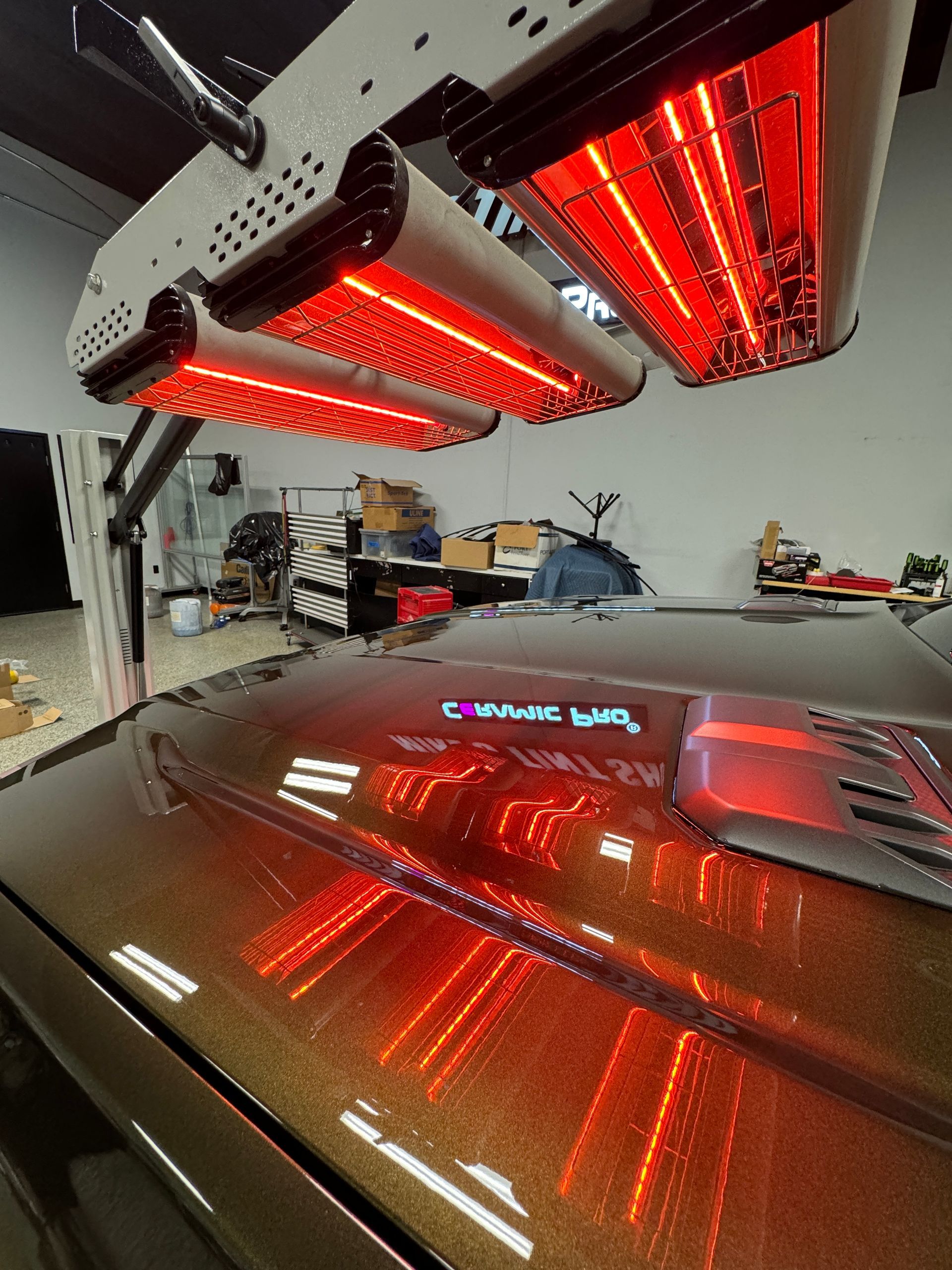
Our application process includes a full decontamination wash, clay bar treatment to remove bonded surface contaminants, and paint correction where needed to address scratches and swirl marks before the coating is ever applied. The coating is then applied in a controlled The environment must allow proper bonding and curing according to the manufacturer's specifications.
That preparation and process are what separate a coating that holds up for years from one that underperforms and requires premature removal and reapplication.
How Long Does Ceramic Coating Last?
Most quality ceramic coatings last approximately two to five years. That range varies depending on the specific product used, how thoroughly the surface was prepared, the environmental conditions the vehicle is regularly exposed to, and how consistently it is maintained after application.
Some premium professional-grade coatings may exceed that range under ideal conditions. We will give you an honest assessment of expected longevity based on your specific vehicle, usage, and the coating we recommend.
Maintaining Your Ceramic Coating
Ceramic coating reduces the work required to keep your vehicle clean, but it does not eliminate maintenance. A few consistent habits will help your coating perform at its best throughout its lifespan.
- Use a pH-neutral car shampoo when washing. Harsh or acidic products can gradually degrade the hydrophobic layer.
- Hand wash when possible. Automated brushless washes are generally acceptable, but brush-based car washes introduce unnecessary abrasion risk.
- Remove bird droppings, tree sap, and bug splatter promptly. The coating provides a buffer, but prolonged exposure still increases risk.
- Dry the vehicle properly after washing to reduce water spot formation.
- Consider a ceramic coating booster or topper product annually to refresh the hydrophobic performance and extend the coating's effective life.
Protect Your Paint the Right Way
Sun, contamination, and daily environmental wear take a toll on every vehicle. Ceramic coating is one of the most practical and durable tools available to slow that process, preserve your finish, and make day-to-day maintenance easier.
At Mike's Tint Shop, we apply ceramic coatings with full surface preparation and a process built to make your results last. Whether you want protection for a daily driver or a vehicle you plan to keep in top condition for years, we will help you find the right solution.
Contact Mike's Tint Shop today to schedule your ceramic coating consultation and get a quote.