If you've been researching vehicle wraps, you've probably come across a lot of vague answers. The honest answer is: it depends, and the factors that determine how long your wrap holds up are well worth understanding before you invest. At Mikes Tint Shop, we get this question more than almost any other. So we put together this complete guide to vinyl wrap lifespan, what affects it, and how to get the most out of your investment.
What Is a Vinyl Wrap?
A vinyl wrap is a thin, adhesive-backed film applied directly to a vehicle's exterior surfaces. Unlike a traditional paint job, a vinyl wrap can be removed without damaging the paint underneath. That reversibility makes it one of the most flexible options in automotive customization.
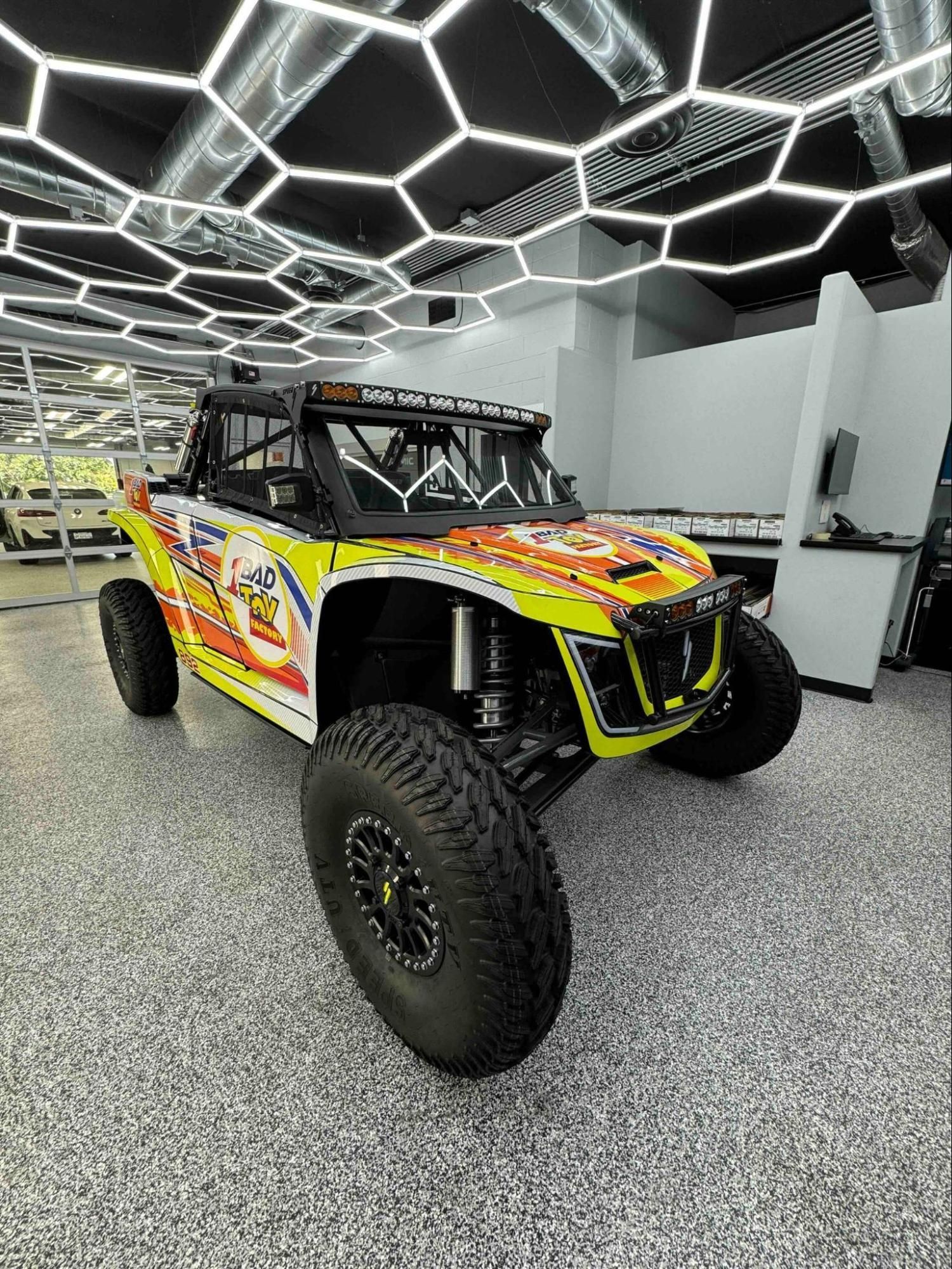
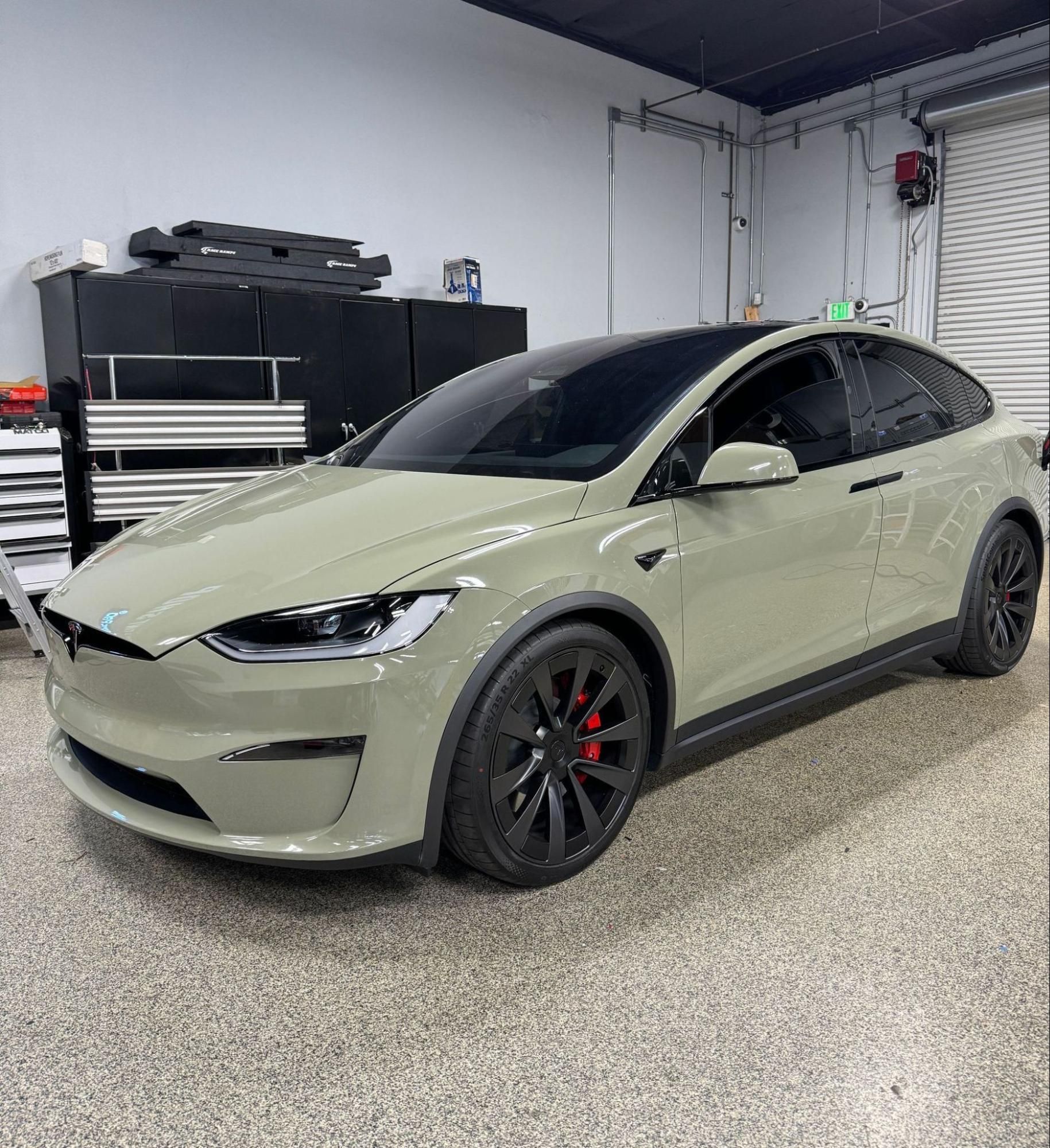
Vehicle owners use wraps for color changes, protective coverage over factory paint, and commercial fleet branding. The material comes in a wide range of finishes, including gloss, satin, matte, chrome, and specialty films, each with its own visual character and durability profile.
How Long Does a Vinyl Wrap Last? Average Lifespan by Type
For most vehicle owners, a professionally installed, high-quality vinyl wrap will last between 5 and 7 years. However, this is not a "set it and forget it" product. The lifespan is a sliding scale based on the quality of the film and how the vehicle is stored.
Here is a breakdown of expected lifespan by wrap type and condition:
| Wrap Type / Condition | Expected Lifespan |
|---|---|
| High-quality vinyl (standard) | 5–7 years |
| Premium cast vinyl | 7–10+ years |
| Budget / calendared vinyl | 2–4 years |
| Gloss / satin finishes | 5–7 years |
| Matte finishes | 4–6 years |
| Chrome / specialty films | 1–3 years |
| Garage-stored vehicle | Add 2–3 years to expected lifespan |
These ranges reflect professionally installed wraps with regular maintenance. DIY installation, harsh climates, or neglected upkeep can move these numbers down significantly.
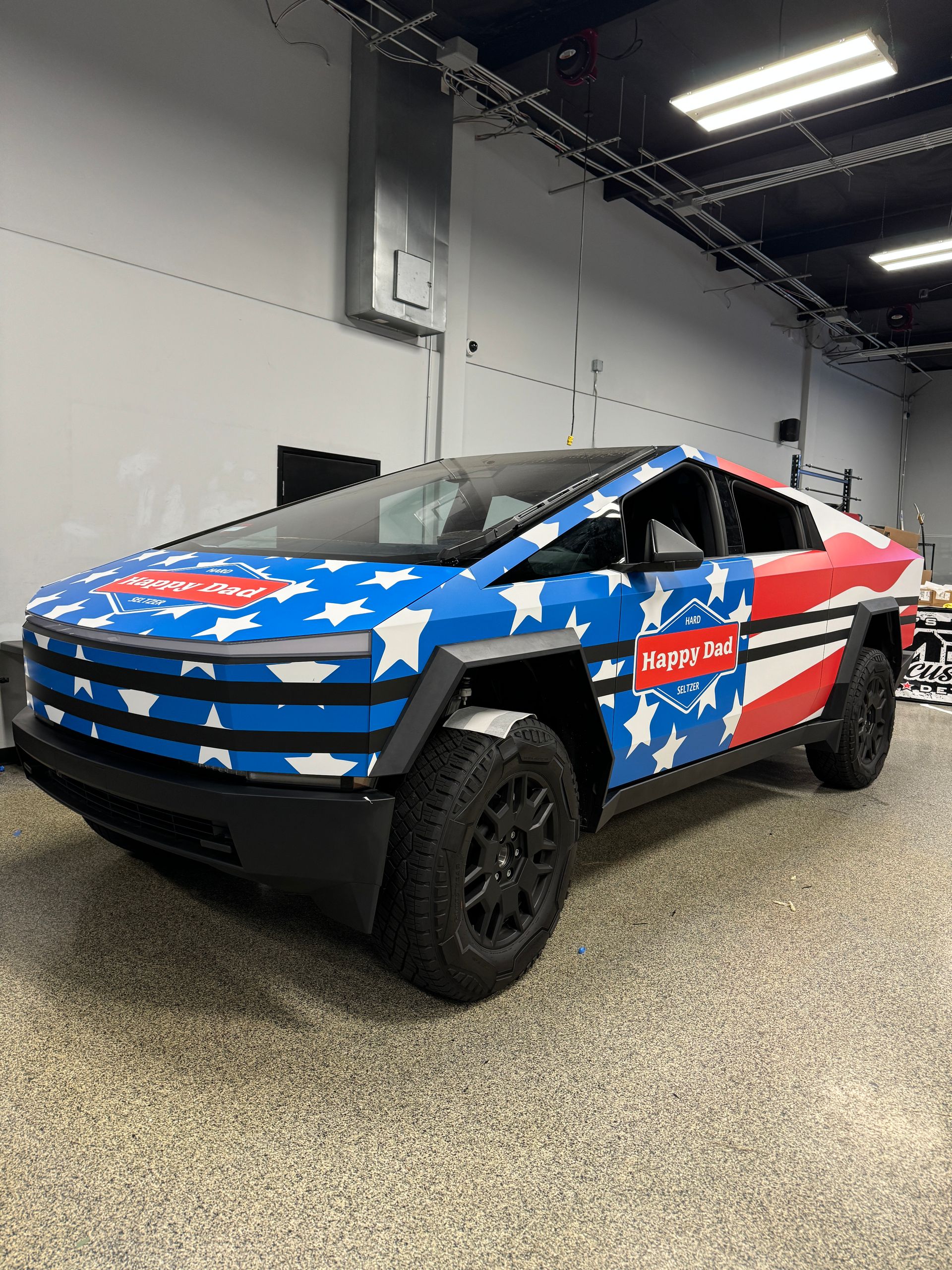
Cast Vinyl vs. Calendared Vinyl: Why It Matters
The single biggest variable in wrap lifespan is the type of vinyl used. There are two primary categories, and the difference between them is significant.
Cast Vinyl
Cast vinyl is the gold standard for vehicle wraps. It is manufactured by pouring a liquid mixture onto a casting sheet, resulting in a thin, stable film that does not shrink over time. Cast vinyl is known for its flexibility, durability, and resistance to color fading and offers up to 7 to 10 years of outdoor durability. Premium brands like 3M and Avery Dennison manufacture cast films with advanced UV inhibitors and repositionable adhesives built in.
Calendared Vinyl
Calendared vinyl is thicker and made by rolling the material through heated rollers. While cheaper, it has a "memory" and wants to shrink back to its original shape, leading to peeling edges and a shorter lifespan. This shrinkage tendency, combined with sun exposure, can reduce viable life to under 24 months before lifting and cracking begins.
If you're planning a full vehicle wrap intended to last, cast vinyl is the clear choice.
Factors That Affect Vinyl Wrap Longevity
1. Material Quality
Premium brands like 3M and Avery Dennison are engineered with advanced UV inhibitors and repositionable adhesives that allow the wrap to stay flexible for years. Economy or no-name wraps found on discount sites often use cheaper adhesives that can fail within 12 to 24 months. These budget films often become brittle, making them nearly impossible to remove without damaging the vehicle's clear coat.
2. Installation Quality
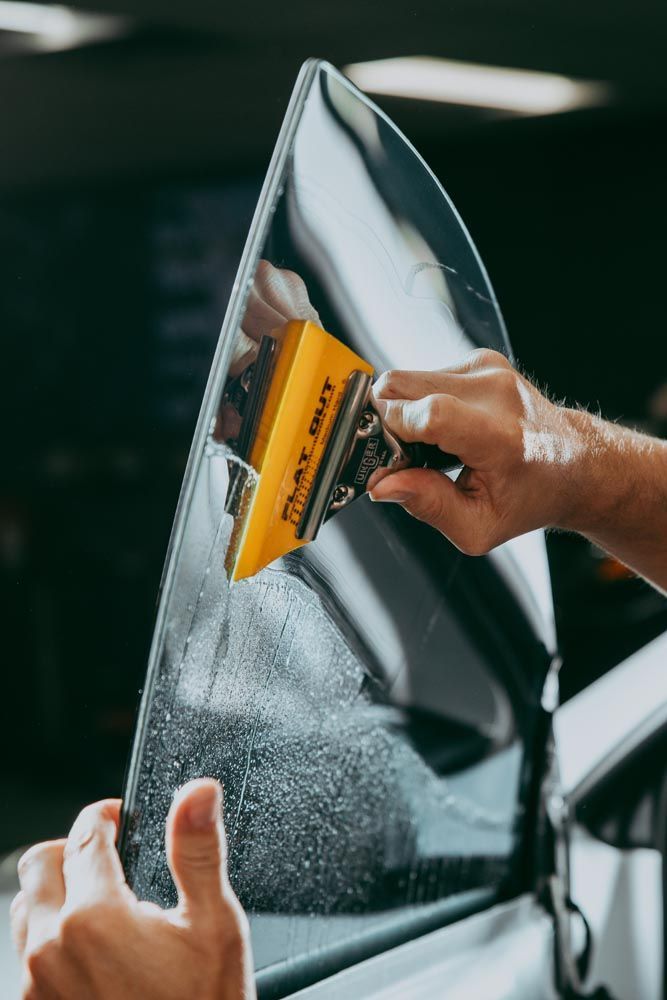
Even the best film will fail if the installer cuts corners. Proper post-heating is a technical process where the installer uses a heat gun to set the vinyl into the deep curves of the car. If this step is skipped, the vinyl will eventually lift. Professionally applied wraps undergo proper surface preparation, precise edge sealing, and controlled heat treatment, ensuring the film adheres securely and resists early wear. They are also typically backed by manufacturer warranties from brands like 3M and Avery Dennison offering 5 to 7 year coverage.
Poor application technique alone can reduce a wrap's lifespan by a significant margin, according to industry data.
3. Climate and Environmental Exposure
Where you live and park has a direct impact on how long your wrap will look its best.
In Sun Belt states like Arizona or Florida, the intense UV index accelerates vinyl degradation. The heat breaks down the plasticizers in the film, leading to fading and cracking. In northern climates, the primary threat is road salt and magnesium chloride, chemicals that are highly abrasive and can eat through the finish of the wrap if not washed off regularly.
A car that lives in a climate-controlled garage will almost always hit the 7-year mark. A car parked on the street around the clock, exposed to sap, bird droppings, and daily temperature swings, may see its wrap begin to degrade in as little as 3 years.
One of the most overlooked factors is surface orientation. Horizontal surfaces like the hood, roof, and trunk lid take a direct hit from the sun's UV rays and collect more environmental contaminants like bird droppings and acid rain.
4. Wrap Finish
Not all finishes age at the same rate. Gloss wraps are generally the most robust and mimic the look of clear coat paint. Matte and satin wraps are a popular choice for a stealthy aesthetic, but their textured surface can trap contaminants more easily, requiring consistent cleaning. Chrome wraps typically last around 1 to 3 years depending on exposure and maintenance. Their reflective, mirror-like surface requires regular upkeep to maintain appearance.
Maintenance Tips to Maximize Wrap Lifespan
Consistent care can add years to your wrap's life. Follow these best practices:
Wash by hand. Avoid automatic brush car washes. The abrasive bristles can create microscopic scratches or catch the edge of the vinyl and tear it. Hand wash using a pH-neutral soap and a soft microfiber mitt.
Be careful with pressure washing. If you use a pressure washer, keep the nozzle at least 12 inches away from the surface and never aim it directly at a seam or edge.
Park smart. Parking your vehicle in a garage or shaded area helps prevent exposure to harsh UV rays, which can cause cracking, peeling, and fading. Even partial shade during peak hours extends wrap life meaningfully.
Address contaminants quickly. Immediate contaminant removal is critical. Bird droppings, tree sap, and fuel spills can cause permanent damage within 24 hours.
Consider a ceramic coating. One of the best ways to extend the lifespan of your wrap is to apply a ceramic coating on top of the vinyl. Ceramic coatings provide a sacrificial layer that absorbs UV damage and makes the surface hydrophobic, preventing staining and making cleaning much easier.
Signs Your Wrap Needs to Be Replaced
Knowing when to replace a wrap is just as important as knowing how to maintain one. Here are the most common wear indicators to watch for:
Fading or discoloration. Fading is usually the first sign of UV failure. If you notice browning, especially on the hood, that is a sign the vinyl is experiencing significant UV degradation.
Peeling edges. Lifting at seams and corners typically signals adhesive failure, often caused by inadequate installation, road salt, or moisture intrusion.
Cracking or brittleness. Budget films can become brittle over time, especially in hot or cold climates. "Cracking film" means the wrap has reached the end of its functional life.
Bubbling or lifting film. Bubbling under the surface points to adhesive breakdown, often from heat, moisture, or improper installation. Once bubbling becomes widespread, replacement is the most practical path forward.
Get a Vinyl Wrap That Goes the Distance
A vinyl wrap is an investment in your vehicle's appearance and protection. Choosing the right material, working with a skilled installer, and maintaining your wrap properly are what separate a wrap that starts looking tired in two years from one that still turns heads in seven.
At Mikes Tint Shop, we use premium cast vinyl from trusted manufacturers and apply every wrap with the precision and process that long-term durability demands. Whether you're going for a full color change, a protective wrap over your factory paint, or a custom design that represents your brand, we'll help you get the most out of every dollar you invest.
Ready to get started? Contact Mikes Tint Shop today to schedule a consultation and find out which wrap solution is right for your vehicle, your climate, and your goals.
Frequently Asked Questions
How long do vinyl wraps last on average?
High-quality vinyl wraps typically last between 5 and 7 years, with premium options extending up to 10 years under optimal conditions. Budget materials and unfavorable climates can reduce that range considerably.
Does climate affect wrap life?
Yes, significantly. Vehicles in consistent, moderate climates can often exceed 10-year lifespans, while those in high-UV or extreme heat environments may require replacement after just 3 to 4 years. Cold climates introduce road salt and thermal stress as primary concerns.
Do professional installers make wraps last longer?
Professionally applied wraps are installed with surface prep, edge sealing, and heat treatment, and typically last 2 to 3 years longer than DIY wraps. They are also backed by manufacturer warranties, which adds peace of mind to the investment.
What wrap finishes hold up the longest?
Gloss wraps are generally the most robust, closely mimicking the durability of clear coat paint. Matte and satin finishes are durable with proper care, while chrome and specialty finishes carry the shortest lifespan due to their material composition and sensitivity to the elements.
Can I extend my wrap's life beyond the typical range?
Yes. Proper maintenance can extend wrap lifespan by 2 to 3 years. The difference between a maintained and a neglected wrap is often 100% longer service life. Garage storage, ceramic coating, and hand washing are the three highest-impact habits.