5 STAR QUALITY SERVICE
What Is Ceramic Coating and How Does It Work?
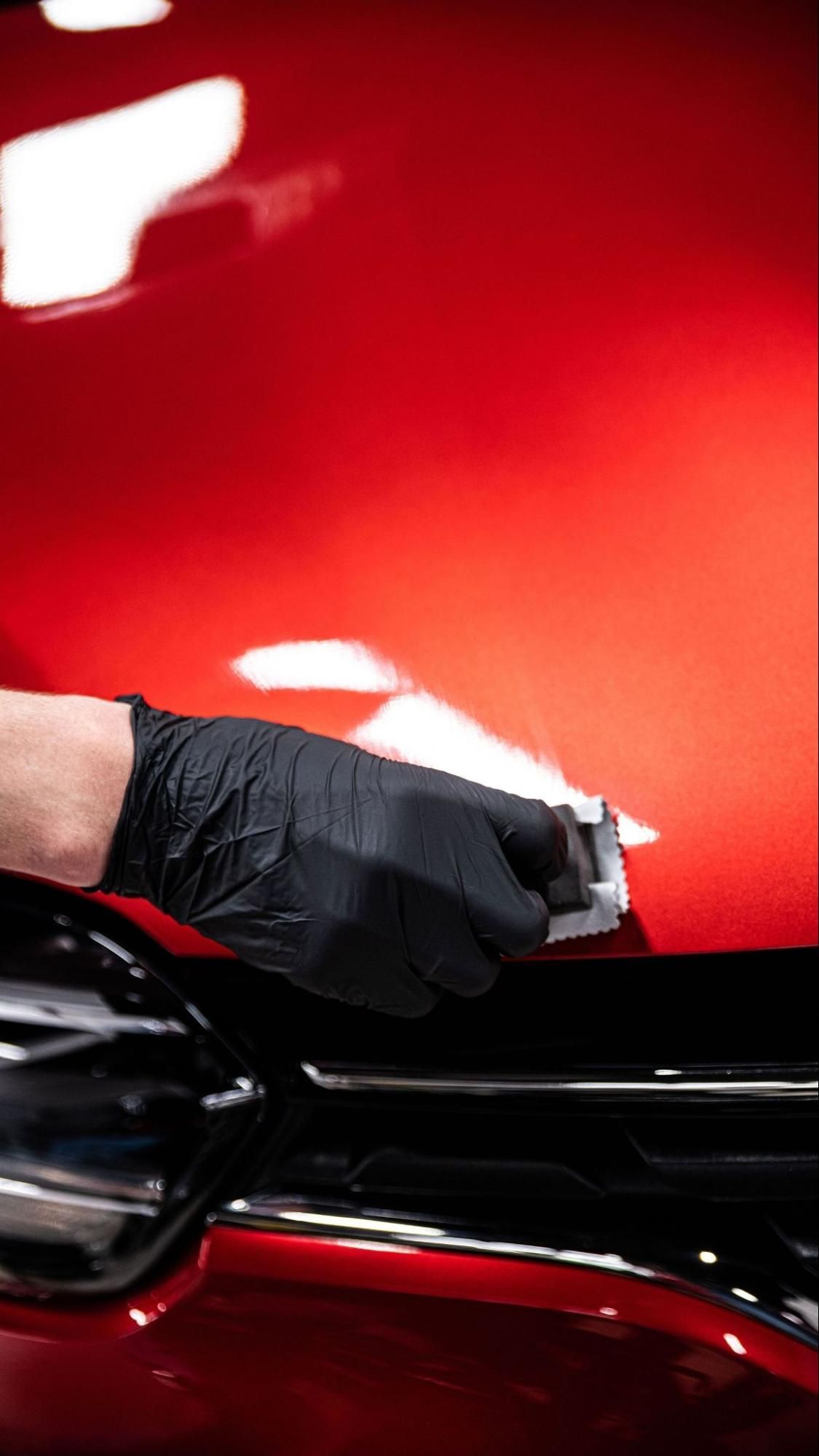
Ceramic coating, also known as SiO₂ coating, is a liquid polymer that is applied by hand to the exterior of a vehicle. The coating chemically bonds with the vehicle's factory paint, creating a layer of protection.
Unlike wax, which just sits on top of the paint and can wash away, ceramic coating actually sticks to the paint itself by bonding at a molecular level. This creates a tough, semi-permanent shield that helps protect the car's surface. The primary active ingredient is silicon dioxide, or SiO₂, a naturally occurring compound valued for its hardness, stability, and resistance to chemical attack.
Once cured, this type of coating can provide a hard, durable layer of protection against a variety of potential hazards, including UV rays, acid rain, bird droppings, and more.
How Does It Compare to Traditional Wax?
Wax has long been the go-to for adding shine and a basic layer of protection to automotive paint. But the difference between wax and ceramic coating goes beyond the surface level. Traditional car wax typically lasts around 2 to 4 months under normal driving conditions and potentially as little as 4 to 6 weeks if you park outdoors, live somewhere hot, or wash your car frequently.
Car wax lasts only 1 to 3 months before requiring reapplication, meaning you'll wax your car roughly 20 times over five years compared to a single ceramic coating application. That's a significant investment of time and recurring product cost that adds up quickly.
The Core Benefits of Ceramic Coating
Long-Lasting Paint Protection
Once cured, SiO₂ ceramic coatings provide long-lasting protection against UV rays, oxidation, corrosion, chemicals, and other contaminants. This durability ensures that the vehicle's paint remains protected and maintains its glossy finish for an extended period.
Professional-grade ceramic coatings use high-quality ingredients with higher SiO₂ percentages and require meticulous surface preparation for optimal bonding and multi-year durability, often 5 or more years. For comparison, wax offers temporary shine and minimal protection lasting 1 to 3 months, while sealants provide better durability than wax at 6 to 12 months but lack the molecular bond of ceramic coatings.
Hydrophobic Properties That Keep Your Car Cleaner
One of the most immediately noticeable benefits of a ceramic coating is how water behaves on the surface. The SiO2 nanoparticles create a high contact angle with water droplets, causing them to bead up and roll off the surface, carrying away dirt, dust, and grime.
This means your vehicle repels contaminants rather than absorbing them. Cleaning becomes faster, easier, and less frequent because dirt and grime simply have less to grip onto.
UV Protection and Defense Against Environmental Damage
The SiO₂ nanoparticles in ceramic coatings provide UV resistance, protecting the underlying surface from the damaging effects of sunlight. Sun exposure causes paint to fade, become brittle, and develop oxidization. Ceramic coatings act as a barrier, absorbing and dissipating UV rays, reducing the risk of color fading and preserving the appearance of the surface for longer periods.
Independent testing indicates ceramic coatings block approximately 90 to 95 percent of UV radiation, compared to roughly 50 percent for car wax. For vehicle owners in high-UV climates, that gap in protection is meaningful.
Enhanced Gloss and Aesthetic Appeal
Beyond protection, ceramic coating gives your vehicle a deeper, more refined finish. SiO₂-based ceramic coatings contribute to the overall gloss and shine of the vehicle's paint, making the surface look sleek and polished. The result is a clean, reflective appearance that holds up between washes far better than a waxed surface.
Reduced Maintenance Time and Cost
Ceramic coatings minimize the need for maintenance and keep surfaces looking pristine for longer. Once the ceramic coating is applied and cured, ongoing maintenance is minimal. A ceramic coating maintenance spray every 3 to 6 months helps refresh hydrophobic properties. Regular washing is simplified because dirt and water do not cling to the surface the same way.
When you factor in the recurring cost of wax products, the time spent applying them, and the professional detailing appointments waxed vehicles often require more frequently, the long-term value of ceramic coating becomes clear.
Increased Resale Value
By preserving the factory paint and maintaining its superior aesthetic, a ceramic coating significantly enhances a vehicle's resale value. Preserved condition and documented protection history are appealing to buyers and can justify premium pricing. Protecting your paint from UV degradation, chemical etching, and oxidation means your vehicle holds its appearance over the years, which translates directly to stronger resale appeal.
Realistic Expectations: What Ceramic Coating Can and Cannot Do
Ceramic coating offers substantial protection, but it is important to go in with accurate expectations.
What it does well: Ceramic coating provides strong defense against UV rays, oxidation, chemical etching, bird droppings, tree sap, and light environmental contaminants. It makes maintenance easier and extends the life of your paint significantly.
What it does not do: While no coating is entirely scratch-proof, ceramic coatings provide an added layer of protection that significantly reduces the chances of paint damage caused by minor abrasions. Deep scratches, rock chips, and impact damage are still possible. Ceramic coating is a protective layer, not armor.
Surface prep is essential: The application of SiO₂ ceramic coatings requires proper surface preparation, including paint correction, to ensure the best results. Additionally, these coatings typically require cure times during which the vehicle should be kept dry and away from water.
Maintenance is still required: Ceramic coating reduces the frequency and effort of vehicle care, but regular washing with appropriate products remains necessary for the coating to perform at its best over time.
Professional vs. DIY Ceramic Coating
Both professional and DIY ceramic coating options exist, but they are not equivalent in performance or longevity.
DIY ceramic coatings are more accessible but typically offer shorter durability of 1 to 2 years and require careful prep to avoid imperfections. Professional application includes comprehensive paint correction and expert application, with costs ranging from roughly $1,000 to $3,000 depending on vehicle size and coating choice. The benefits include guaranteed professional results, paint correction expertise, a proper curing environment, and often a warranty on the work.
The paint surface must be thoroughly washed, decontaminated, and often polished to remove imperfections before application. The coating itself must be applied in thin, even layers and begins bonding almost immediately, leaving little room for error. The full process typically takes 6 to 8 hours or more, and improper application can result in uneven coverage or streaks that are difficult to fix.
For vehicle owners who want the full benefit of multi-year protection with the performance characteristics ceramic coating is known for, professional application is the more reliable path.
How to Maintain Your Ceramic Coating
Once your coating is applied and cured, consistent care keeps it performing well for years.
Use the right wash products. It is important to avoid using harsh chemicals or abrasive cleaning tools, as these can damage the coating. Instead, use a pH-neutral car wash soap and a soft microfiber wash mitt.
Avoid automatic brush car washes. The abrasive bristles in automated brush washes can compromise the coating's surface and catch edges in ways that reduce its lifespan.
Wash regularly. Ceramic coating makes washing easier, but regular cleaning is still important. Allowing contaminants to sit on the surface for extended periods can cause staining or etching even through a protective coating.
Apply a ceramic maintenance booster periodically. A maintenance spray formulated for ceramic-coated surfaces, applied every few months, helps refresh the hydrophobic layer and extend the life of the coating between professional inspections.
Park smart. Keeping your vehicle in a garage or shaded area when possible reduces UV load and limits exposure to environmental contaminants, which helps preserve both the coating and the paint beneath it.
Protect Your Vehicle the Right Way
A ceramic coating is one of the most effective long-term investments you can make in your vehicle's appearance and value. It protects your paint from the environmental damage that causes premature aging, makes day-to-day maintenance faster and easier, and keeps your vehicle looking its best for years rather than months.
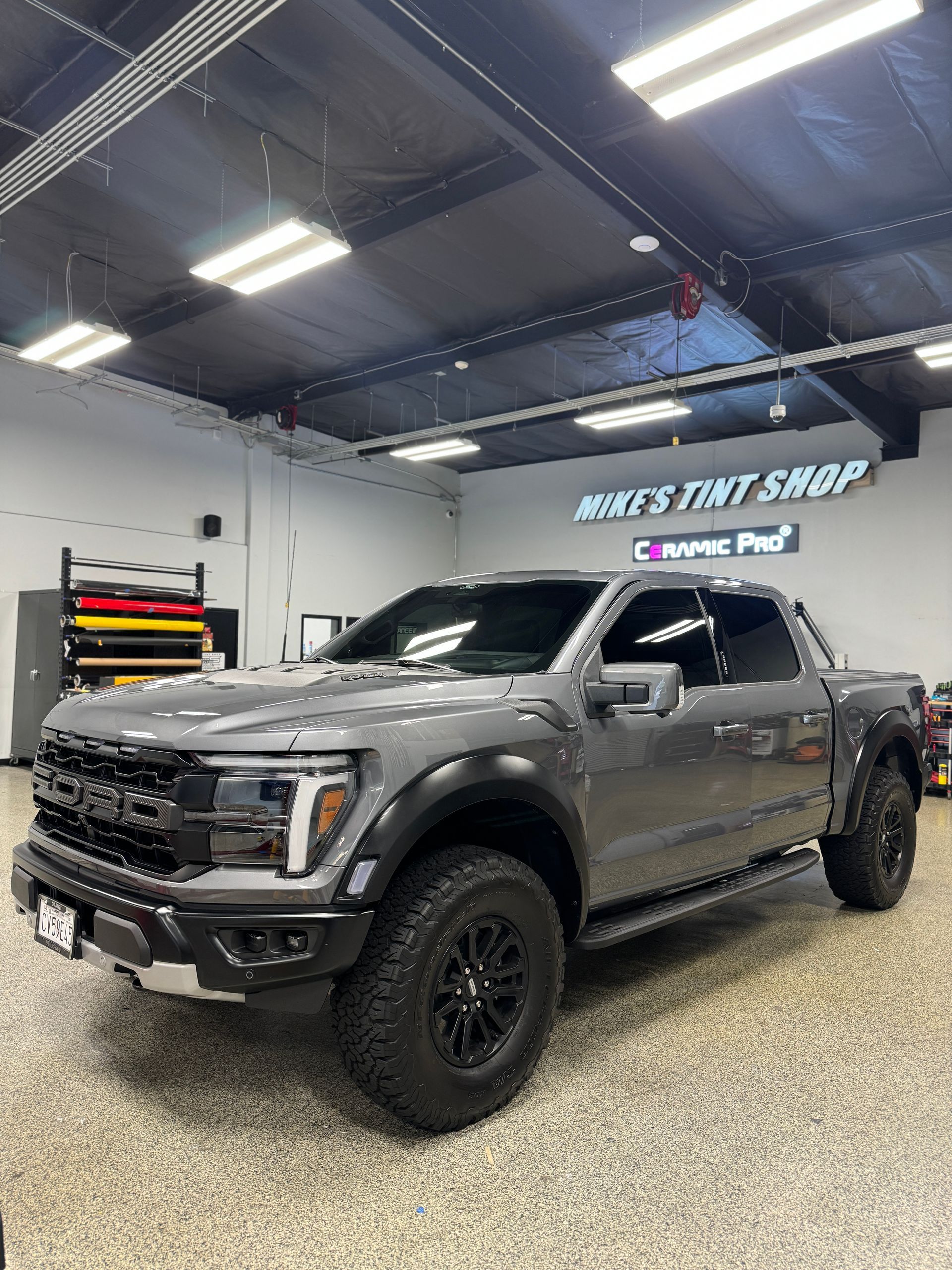
At Mike's Tint Shop, we offer professional ceramic coating services using premium materials and proven application techniques. Whether you're protecting a daily driver, a weekend vehicle, or a fleet, we'll help you find the right solution for your needs.
Ready to protect and enhance your vehicle's finish? Contact Mike's Tint Shop today to schedule your appointment and experience the difference that professional ceramic coating makes.
Frequently Asked Questions
What is ceramic coating on a car?
Ceramic coating is a liquid polymer, primarily silicon dioxide-based, that is applied to a vehicle's paint and chemically bonds with the clear coat to form a semi-permanent protective layer. It provides long-term defense against UV rays, oxidation, chemical contaminants, and environmental damage while enhancing gloss and reducing maintenance requirements.
How long does ceramic coating last?
Quality professional coatings can last 5 or more years with proper maintenance. Consumer-grade DIY coatings typically last 1 to 2 years. Longevity depends on the product, installation quality, and how well the vehicle is maintained.
Is ceramic coating better than wax?
For long-term protection, durability, and reduced maintenance, yes. Ceramic protectants provide a much higher durability than wax and resist heat, UV rays, environmental contaminants, and harsh detergents significantly better. Wax remains a lower-cost option for occasional shine and short-term protection, but it does not offer the same long-term value.
Does ceramic coating prevent scratches?
Ceramic coatings are scratch-resistant, not scratch-proof. They help prevent minor swirl marks and micro-scratches from washing, but sharp objects or debris can still scratch the paint. For owners seeking maximum scratch and impact protection, paint protection film paired with ceramic coating is worth exploring.