5 STAR QUALITY SERVICE
Vinyl Wrap Color Change vs. Respray: Which Makes More Sense for Your Car?
Changing your vehicle’s color can completely transform its appearance, but choosing between a vinyl wrap and a full respray is not simply a matter of picking the finish you like best.
A vinyl wrap color change vs respray decision should begin with the condition of the existing paint. From there, you can compare permanence, customization, downtime, maintenance, cost, and long-term ownership plans.
For drivers with sound, securely bonded paint and a professionally installed wrap, it often provides greater flexibility. When rust, peeling paint, body damage, or restoration work is involved, repainting may be the more appropriate solution.
This guide explains the differences so you can make a decision based on your vehicle rather than a one-size-fits-all recommendation.
Quick Answer: Is It Better to Wrap or Respray a Car?
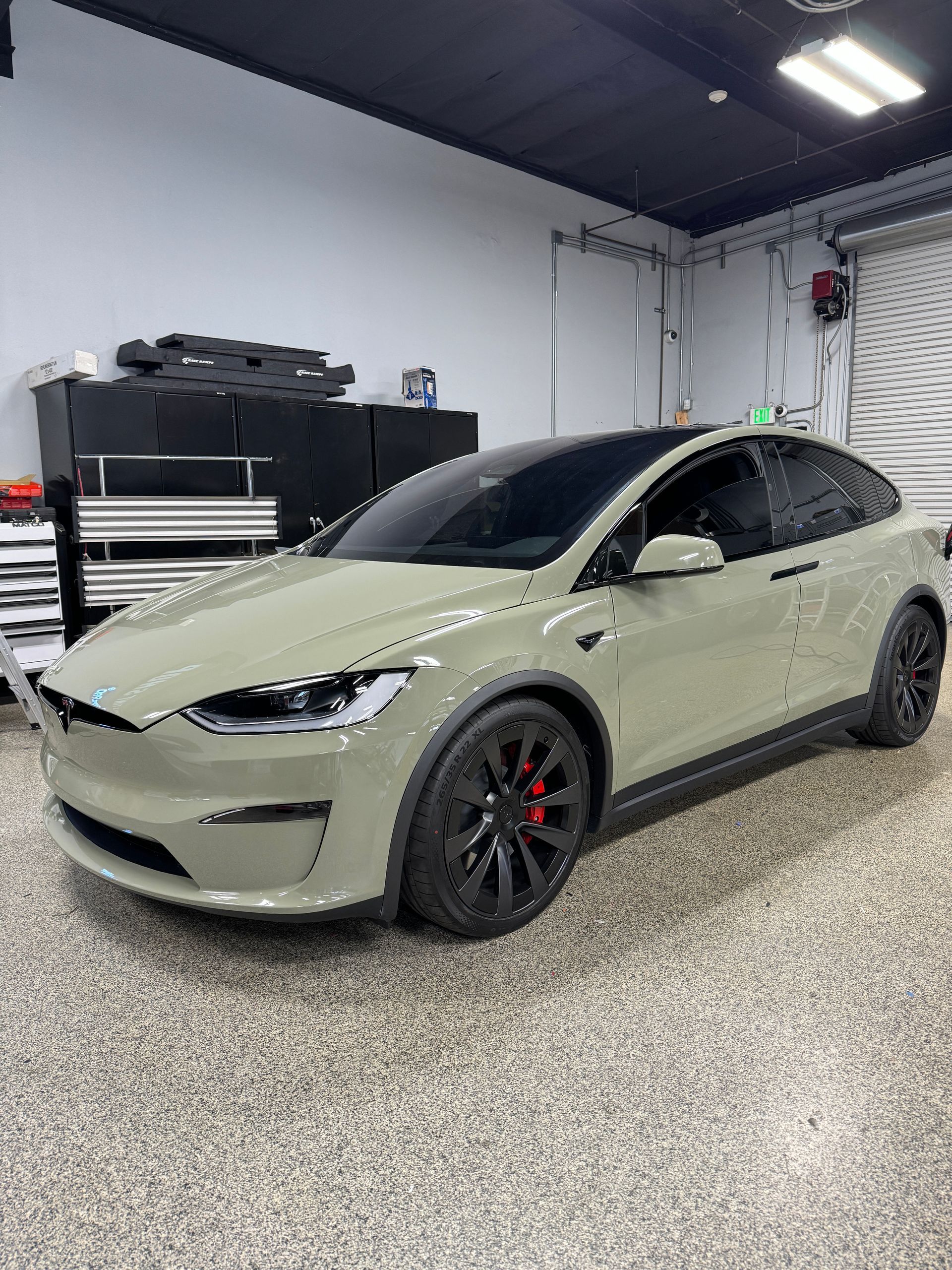
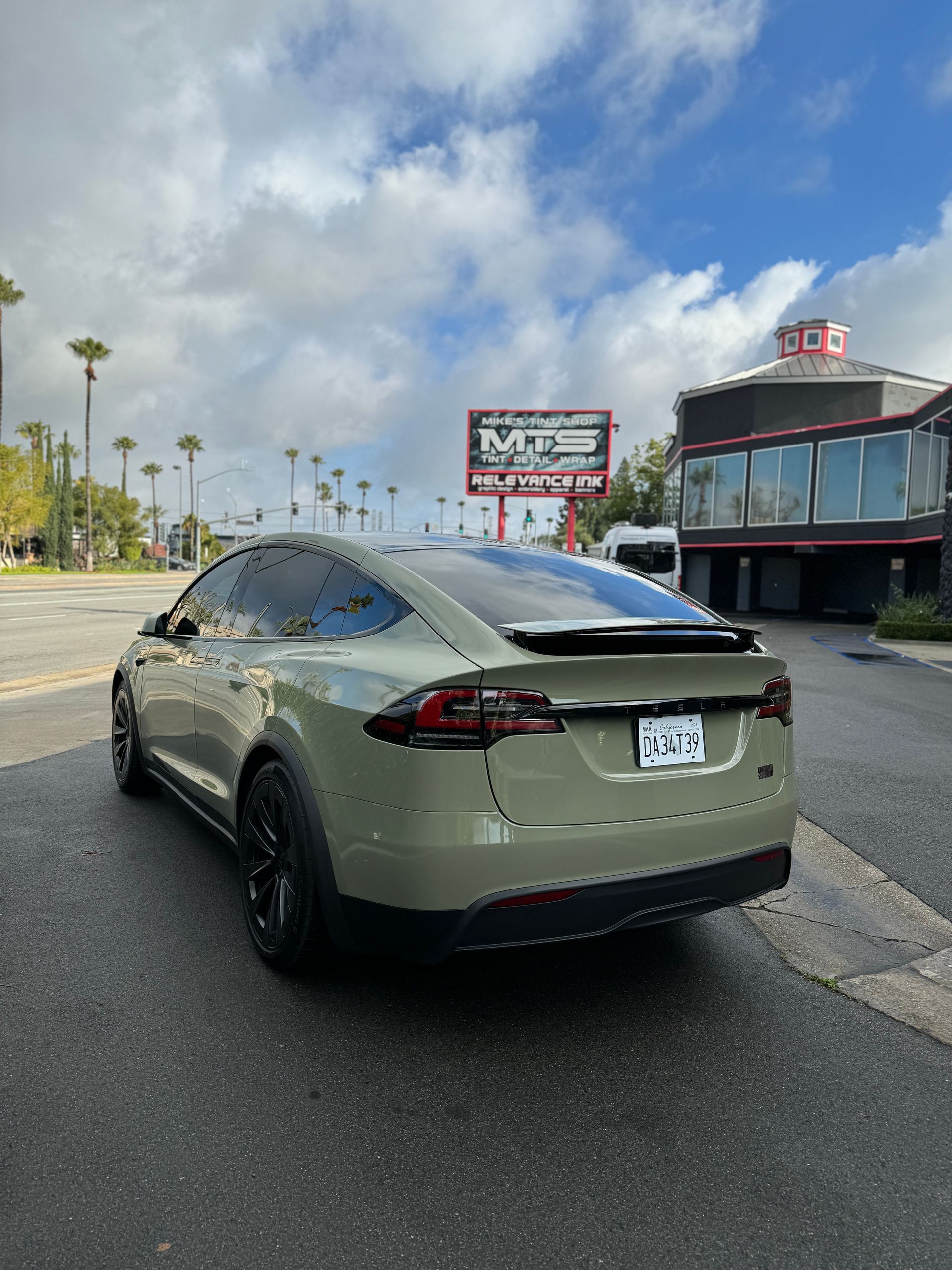
For a car with sound factory paint, a vinyl wrap usually makes more sense when you want a reversible color change, a specialty finish, shorter downtime, or the option to return to the original appearance later.
A respray is often better when paint is peeling, rust or major body repairs are present, or a permanent restoration-quality finish is the priority. Neither option is universally better. The right choice depends first on whether the vehicle is suitable for wrapping.
What Is a Vinyl Color-Change Wrap?
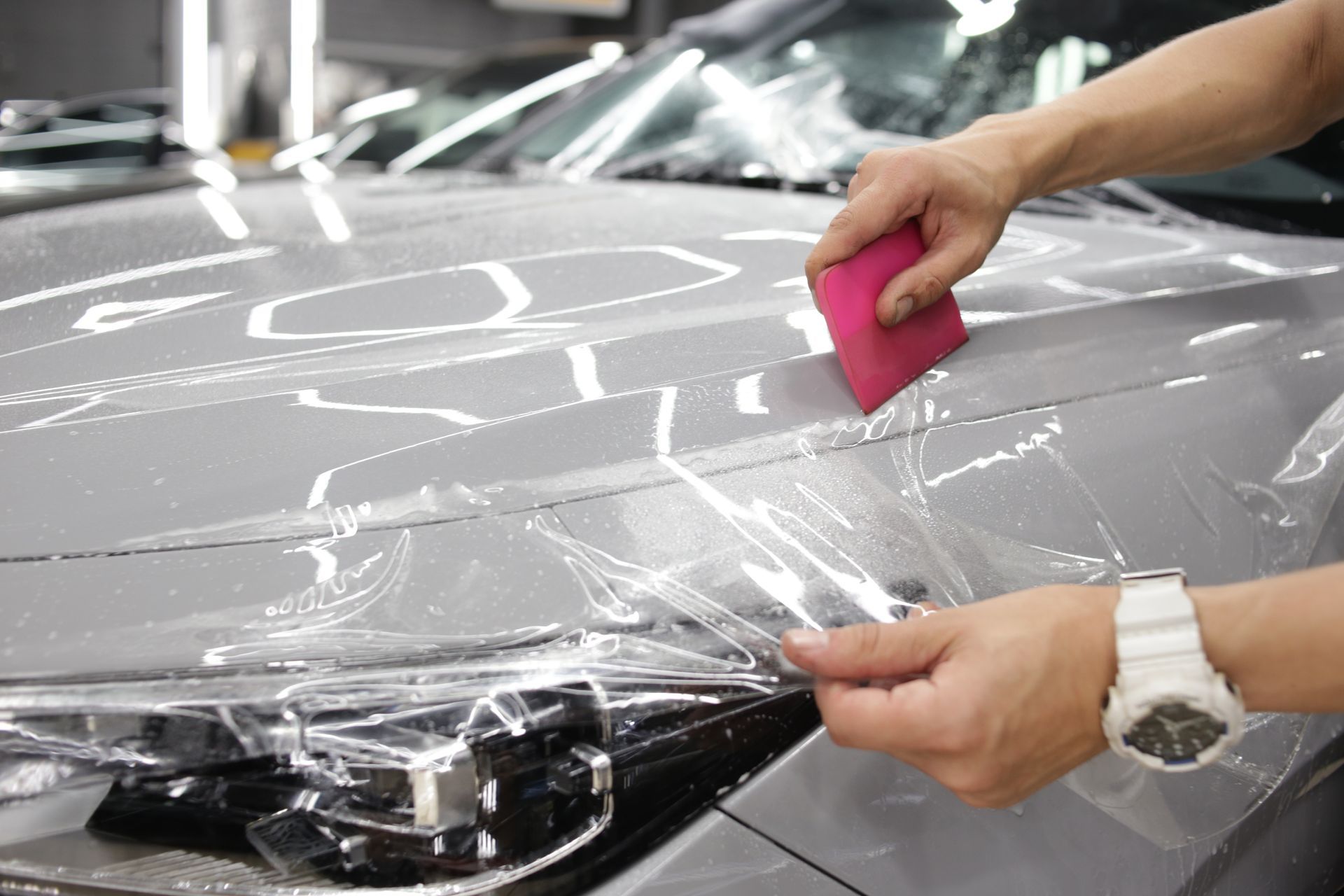
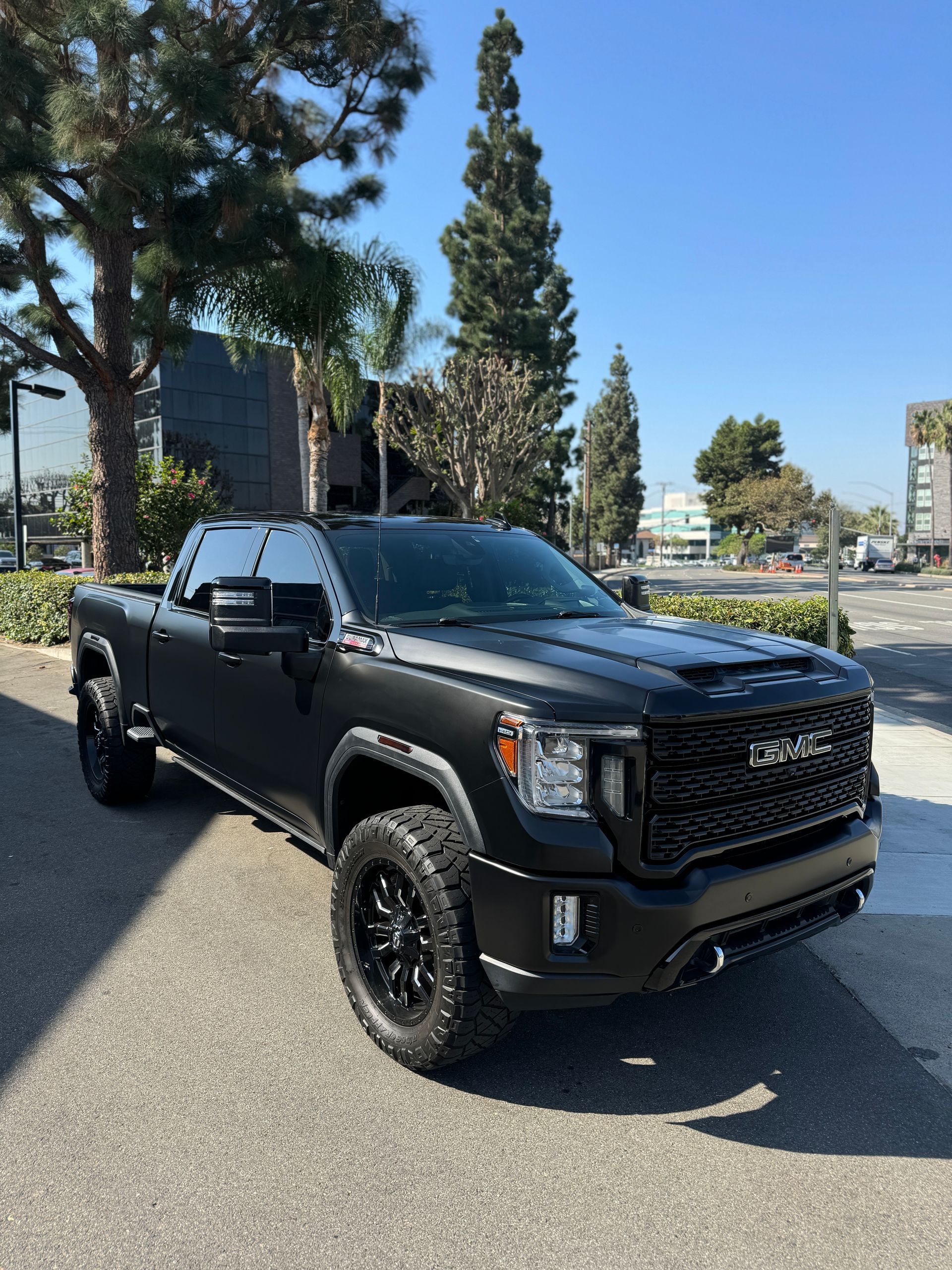
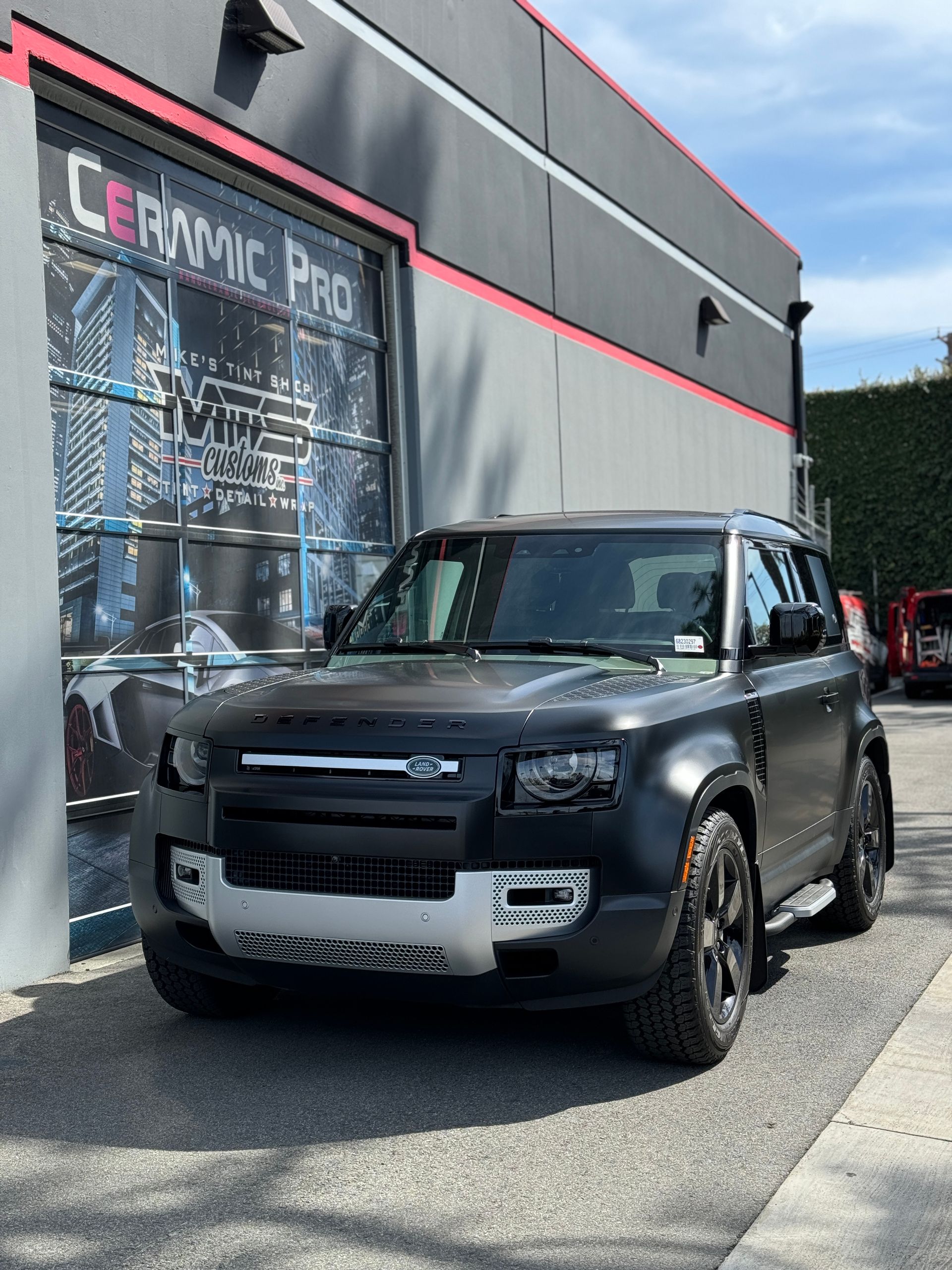
A color-change wrap uses automotive vinyl film that is carefully applied over the vehicle’s existing painted panels. The original paint remains underneath rather than being removed or permanently replaced.
Depending on the project, a wrap may cover the entire exterior or selected areas. Options can include:
- Full vehicle wraps
- Partial wraps
- Roof wraps
- Chrome delete accents
- Stripes and graphics
- Gloss, satin, and matte finishes
- Metallic, textured, and color-shift finishes
One of the main advantages of a wrap is reversibility. When the underlying paint is stable and the film is professionally installed and removed, the vehicle can potentially be returned to its previous appearance.
However, vinyl must be applied to a properly cleaned, prepared, and suitable surface. It does not repair the paint or bodywork beneath it.
What Does a Full Respray Involve?
A respray permanently refinishes the vehicle’s painted surface. The amount of work involved can vary significantly depending on the condition of the car and the expected quality of the finished result.
The process may include removing or masking trim, sanding or stripping existing coatings, repairing dents or corrosion, applying primer, spraying the base color, applying clear coat, curing the finish, and completing final sanding or polishing.
Not all paint jobs are comparable. A low-cost repaint with limited preparation is different from a high-quality color-change respray that includes extensive disassembly, body correction, multiple paint stages, and detailed finishing.
Unlike a wrap, a respray can address certain surface defects during preparation. It is also permanent, which can be an advantage for restoration projects but a drawback for owners who want flexibility.
Vinyl Wrap vs. Respray: Side-by-Side Comparison
The following car wrap vs paint comparison highlights the practical differences between the two services.
Which Costs More: Wrapping or Repainting?
There is no universal answer because both services can vary widely in scope and quality.
Wrap pricing depends on the vehicle’s size, shape, panel complexity, coverage level, selected finish, disassembly requirements, door jamb coverage, current paint condition, and whether old film must be removed.
Respray pricing is affected by body repairs, rust treatment, trim removal, sanding and preparation, paint quality, number of paint stages, color complexity, booth time, curing, and final polishing.
A basic paint job with minimal preparation may cost less than a professionally installed wrap, but the services are not equivalent. A high-quality color-change respray can require considerably more labor and preparation than a wrap.
Generic online estimates rarely account for the condition and design of a specific vehicle. The most useful comparison is a vehicle-specific quote based on your desired coverage and finish.
Which Option Looks Better?
Both options can produce an impressive result when the preparation, materials, and workmanship are appropriate.
Vinyl is especially well suited to finishes that may be difficult or impractical to achieve with paint, including satin, matte, color-shift, textured, patterned, and graphic designs. It also allows the appearance to be changed again without immediately committing to another permanent refinish.
Paint can offer exceptional depth, gloss, and clarity. It also allows for exact custom color formulation and may be more appropriate when restoration authenticity is important.
The final appearance depends on more than the category alone. Surface condition, preparation, installer or painter skill, body shape, lighting, material quality, and maintenance all influence the outcome.
Can You Wrap Over Scratches, Peeling Paint, or a Previous Respray?
A vinyl wrap follows the surface beneath it. It does not eliminate dents, body waves, corrosion, peeling clear coat, deep scratches, bubbling, pitting, or poor previous repair work.
Minor surface imperfections may remain visible through the film, especially under direct light. Rust must be corrected before wrapping, and peeling paint or clear coat can prevent the film from bonding properly.
Extra care is also required with repainted panels. Aftermarket paint must be fully cured and securely bonded. If the repaint has poor adhesion, vinyl installation or removal may lift the unstable coating.
Paint correction can improve certain washable or polishable defects, but it cannot repair rust, dents, peeling material, or failing adhesion.
For these reasons, a professional inspection should take place before a full wrap is approved or quoted.
Not sure whether your current paint is suitable for a wrap? A professional inspection can identify peeling clear coat, repaired panels, adhesion concerns, and other issues before you invest in a color change.
Request an evaluation from Mike’s Tint Shop.
Which Lasts Longer: Vinyl Wrap or Paint?
Paint generally has the higher potential lifespan, while vinyl provides a medium-term, removable transformation.
The lifespan of a wrap depends on the film, finish, panel orientation, installation quality, sun exposure, storage, contaminants, washing practices, maintenance, and applicable manufacturer warranty.
Southern California conditions are especially important. Roofs, hoods, trunks, and other horizontal panels often receive more direct sun and heat than vertical panels. Vehicles parked outside for long periods may therefore experience faster aging in highly exposed areas.
Covered parking, shaded storage, prompt cleaning, and proper washing can help preserve the film’s appearance.
Automotive paint can remain serviceable for longer, but its durability still depends on preparation, paint quality, clear-coat quality, storage, repairs, and ongoing maintenance. No finish lasts indefinitely without proper care.
How Do Maintenance Requirements Compare?
Wrapped vehicles should be washed gently and regularly. Bird droppings, insects, tree sap, tar, fuel spills, and other contaminants should be removed promptly because prolonged exposure may stain or damage the surface.
Hand washing is generally preferred. A touchless wash may be used when hand washing is unavailable, but abrasive brushes and aggressive pressure near film edges should be avoided. Owners should also follow the installer’s recommended waiting period before the first wash.
Painted vehicles also require regular cleaning. Depending on the finish, maintenance may include waxing, applying a sealant or coating, polishing when appropriate, and repairing chips or scratches before they worsen.
Both finishes benefit from covered storage and reduced exposure to intense heat and ultraviolet light.
Does a Wrap Protect the Original Paint?
Standard color-change vinyl provides a sacrificial outer surface that may help shield suitable paint from mild daily wear, contamination, and minor abrasion.
It should not be presented as rock-chip protection, and it does not make a vehicle scratch-proof.
Paint protection film is specifically engineered to provide a higher level of protection against road debris, chips, and impacts. Color PPF or protection wrap films may combine appearance changes with stronger protective properties.
The underlying paint must still be stable before any film is installed. Professional preparation, installation, maintenance, and removal all matter.
Drivers seeking both a new appearance and added impact resistance should compare ordinary vinyl with color PPF for added impact protection rather than assuming the materials perform the same function.
Which Option Is Better for Resale Value?
Neither wrapping nor repainting guarantees an increase in resale value.
Many buyers prefer an original factory finish, especially on newer, luxury, performance, or collector vehicles. A removable wrap may allow the seller to reveal the original color later, provided the paint was suitable before installation and remains in good condition.
A poor-quality repaint may create questions about previous damage or workmanship. A documented, high-quality restoration repaint may be attractive to buyers of certain classic or specialty vehicles.
Vehicle history, paint condition, workmanship, color choice, documentation, and buyer preference all influence resale more than the service category alone.
When Does a Vinyl Wrap Make More Sense?
Choose a professionally installed color-change wrap when:
- The existing paint is stable and suitable
- You want a reversible color change
- Matte, satin, color-shift, or specialty finishes are important
- You may sell, return, or change the vehicle later
- Shorter downtime is preferred
- You want roof accents, graphics, stripes, or chrome delete
- Preserving the current finish is a priority
- You may choose another color in several years
When Does a Respray Make More Sense?
Choose repainting when:
- Rust or corrosion requires repair
- Paint or clear coat is peeling
- Panels need substantial bodywork
- The existing finish is unsuitable for wrapping
- A permanent color change is preferred
- Exact restoration color and authenticity are priorities
- The vehicle has inconsistent or poorly bonded previous paintwork
- Long-term ownership makes reversibility unimportant
How Mike’s Tint Shop Evaluates a Vehicle for a Color-Change Wrap
Before recommending a wrap, our team evaluates the vehicle’s current condition and the owner’s goals.
The process begins with an inspection of the paint and clear coat. We look for repaired panels, peeling material, corrosion, dents, scratches, adhesion concerns, and other conditions that may affect the result.
We then review the desired finish and coverage. This includes whether the project involves the full exterior, roof, mirrors, trim, accents, door jambs, or chrome delete components.
The installation process may involve detailed surface preparation, selective disassembly, precision film application, reassembly, and a final inspection. Expectations for seams, edges, existing surface defects, maintenance, and lifespan should be discussed before work begins.
Every vehicle is different, so the final recommendation and quote should reflect its shape, condition, finish selection, and project scope.
Choose the Right Color-Change Option for Your Vehicle
The vinyl wrap color change vs respray decision becomes clearer once the vehicle’s condition is properly evaluated.
Sound paint and a desire for flexibility generally favor vinyl. Peeling paint, rust, major repairs, or permanent restoration requirements generally favor repainting.
An inspection is the best way to determine whether your car is ready for a wrap and what preparation may be necessary.
Ready to explore a new color without committing to a permanent respray? Contact Mike’s Tint Shop to compare finishes, coverage options, and project requirements for your vehicle. Request a personalized color-change wrap quote from our team in Orange, Riverside, or Corona.
Frequently Asked Questions
Is it cheaper to wrap or repaint a car?
A basic paint job with limited preparation may cost less than a professional wrap, but it is not an equal comparison. Both services vary according to vehicle size, preparation, coverage, materials, finish, and labor. A vehicle-specific quote provides a more reliable comparison than a generic online estimate.
Does wrapping a car damage the paint?
Professional vinyl is intended for suitable, securely bonded paint. However, loose, peeling, repaired, or poorly bonded coatings may be damaged during installation or removal. The vehicle should be inspected before wrapping, particularly if it has aftermarket paint or previous body repairs.
Can a vinyl wrap cover scratches and dents?
No. Vinyl follows the existing surface. Some light imperfections may appear less noticeable from a distance, but dents, rust, peeling paint, body waves, and deep scratches remain present. These defects may also affect adhesion and the quality of the finished installation.
How long does a vinyl car wrap last in Southern California?
There is no single guaranteed lifespan. Durability depends on the film, finish, installation, horizontal versus vertical panels, UV exposure, outdoor parking, washing, contaminants, maintenance, and warranty terms. Covered storage and proper care may help reduce premature aging.
Can I wrap a car that has been repainted?
Possibly. The repaint must be fully cured, stable, and securely bonded. A professional inspection is important because weak aftermarket paint may lift during installation or removal. Cure-time requirements should be confirmed according to the paint system used.
Is vinyl wrap the same as paint protection film?
No. Vinyl wrap is primarily used to change a vehicle’s appearance. Paint protection film is engineered to provide stronger protection against road debris, chips, and impacts. Some color PPF products combine color change with enhanced protective performance.
Is a wrap better for a leased car?
A removable wrap may suit a leased vehicle, but the lease agreement, insurer requirements, paint condition, and permitted modifications should be checked first. Reversibility does not remove the need for professional installation, proper care, and suitable underlying paint.
Should I wrap or repaint a classic car?
A traditional respray is often more appropriate when restoration accuracy, rust repair, body correction, or permanent refinishing is required. A wrap may suit a classic vehicle with sound paint when the owner wants a temporary appearance change without permanently altering the existing finish.