5 STAR QUALITY SERVICE
Dealership Ceramic Coating vs. Professional Ceramic Coating: What's the Difference?
Both are ceramic coatings. They differ in four things you can actually measure: how much paint preparation is included, how many layers go on, whether the coating is properly cured, and what the warranty requires of you. Everything else in this comparison comes back to those four.
If you are sitting in a finance office deciding whether to accept an appearance protection package, or you already accepted one and now want to know what is on your car, this is the breakdown. Our own
ceramic coating packages are used below as a reference point, because published numbers make the comparison easier than adjectives do.
The Four Things That Actually Separate Them
- Paint preparation. A coating is optically clear and seals in whatever is underneath it. Correction before coating is the difference between a flawless finish and permanent swirl marks under glass.
- Layer count. One layer of a 9H coating and four layers of the same product do not perform the same or carry the same warranty.
- Curing. Coatings need controlled heat and time to harden. A car handed back within the hour did not get either.
- Warranty terms. A stated term is only worth what its conditions allow. Mandatory inspections, transferability, and exclusions decide whether coverage survives year two.
What You Are Usually Buying at the Dealership
Dealership coatings are sold in the finance office, alongside gap insurance and extended service contracts, and are often rolled straight into the loan. That matters, because the product is being sold by someone whose job is finance, not paint.
The application usually happens in the service lane rather than a detail bay. In most cases, the vehicle gets a wash, the product goes on, and the car is delivered. There is rarely a decontamination step, rarely any correction, and the technician is typically general service staff rather than a trained coating installer.
The most useful question you can ask is also the simplest one: what is the brand and product name? A professional coating has a name, a manufacturer, and a registered installer network behind it. If nobody in the building can tell you what is going on the car, that answer tells you most of what you need to know. Ask how long the application takes, too. The number you get back is the second tell.
Why Paint Correction Is Most of What You Pay For
This is the part the industry blurs. People think they are buying a bottle of coating. What they are mostly buying is the labour underneath it, and paint correction is where that labour goes.
A ceramic coating is clear, and it bonds on top of your clear coat. It does not fill scratches, and it does not remove swirl marks. If anything, it makes existing defects more visible, because the added gloss and depth throw more light at them. Whatever the paint looks like on the day of application is what it will look like for the life of the coating, because correcting it later means removing the coating first.
New cars are not exempt from this, and in Southern California they are especially not exempt. A vehicle sitting on a dealer lot in Orange or Corona spends weeks uncovered under year-round sun, gets washed repeatedly before it sells, and picks up transport and handling marks before anyone drives it. Delivery day paint is rarely perfect paint.
Correction is also why coating packages sit at different prices. At Mike's Tint Shop, the Bronze and Silver packages include Level 1 correction, which addresses light swirling and surface marring. The Gold package includes Level 2 correction, which goes further into deeper defects. That step, not the liquid, is the main reason one package costs more than another.
Layers, Curing, and Why a Same-Hour Install Is a Warning Sign
Layer count is straightforward to compare once someone tells you the number. Our Bronze package applies 1 layer of 9H with 1 layer of top coat over it. Silver applies 2 layers of 9H with 2 layers of top coat. Gold applies 4 layers of 9H with 2 layers of top coat. Each step up adds thickness, durability, and warranty length. Ask any installer for the number. A professional will have one ready.
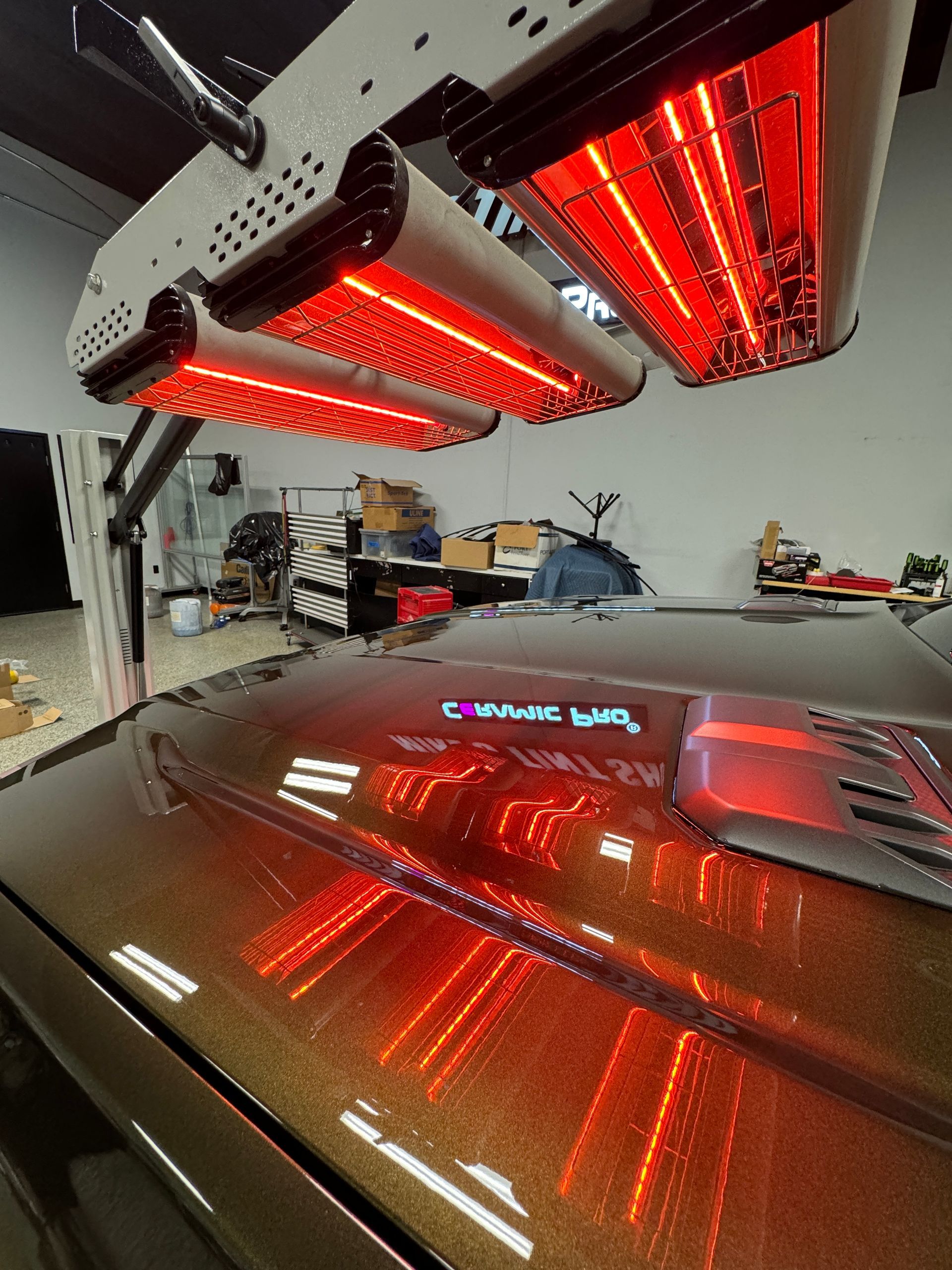
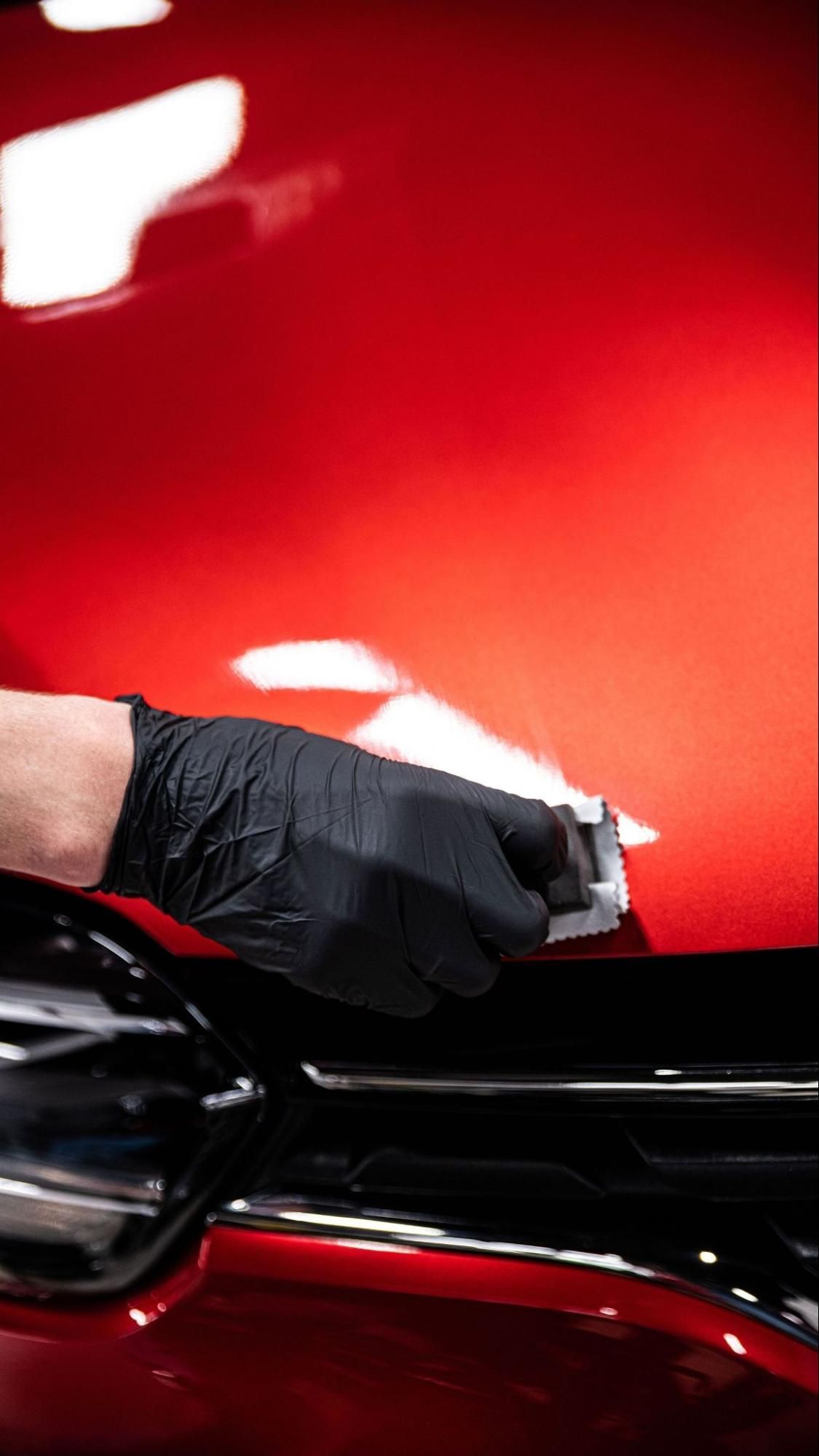
Curing is the part almost nobody talks about, and it is the clearest line between the two options. After a coating is applied, it has to harden and cross-link. Left alone, that takes hours before the car can safely see water and days before it reaches full hardness. Heat accelerates and completes the process properly.
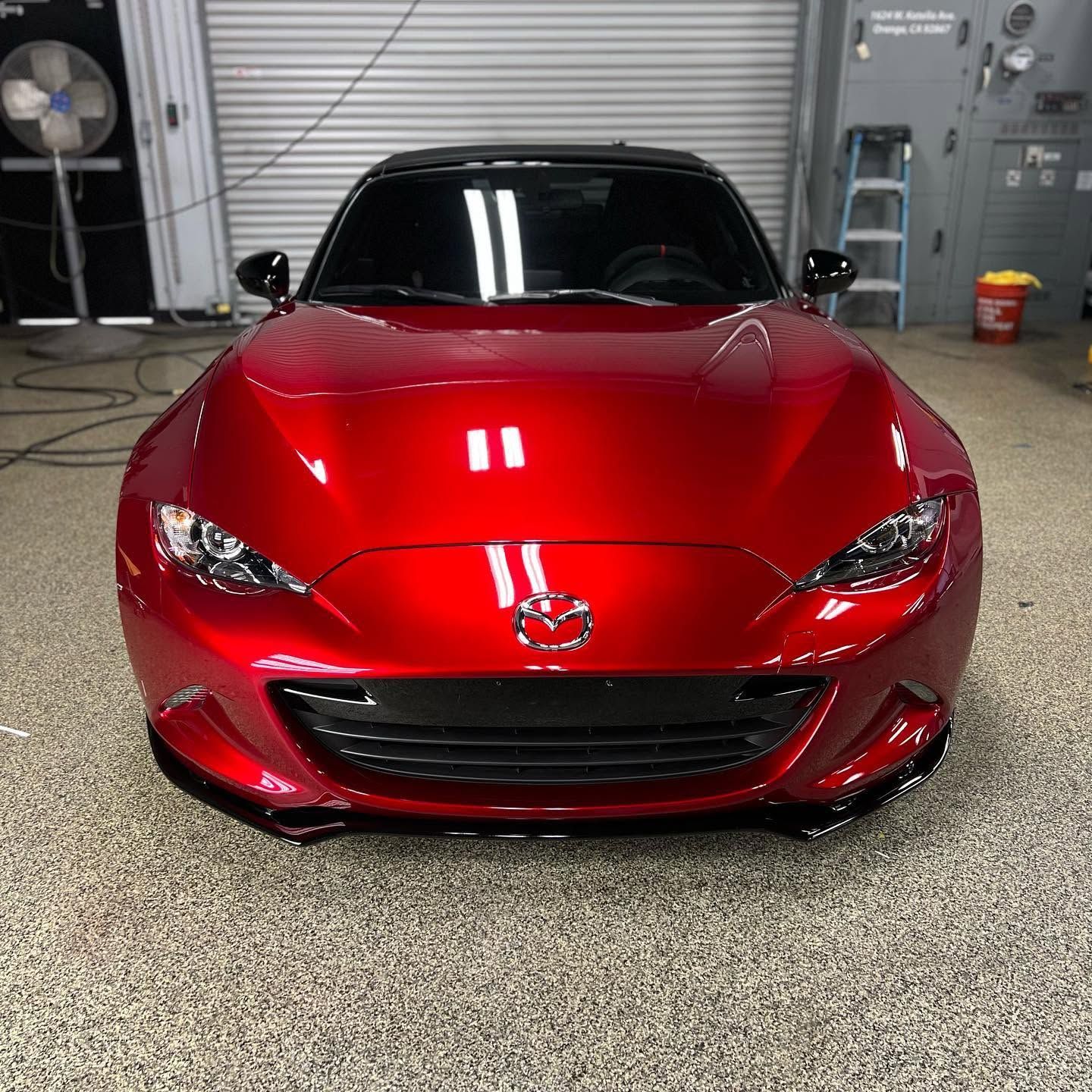
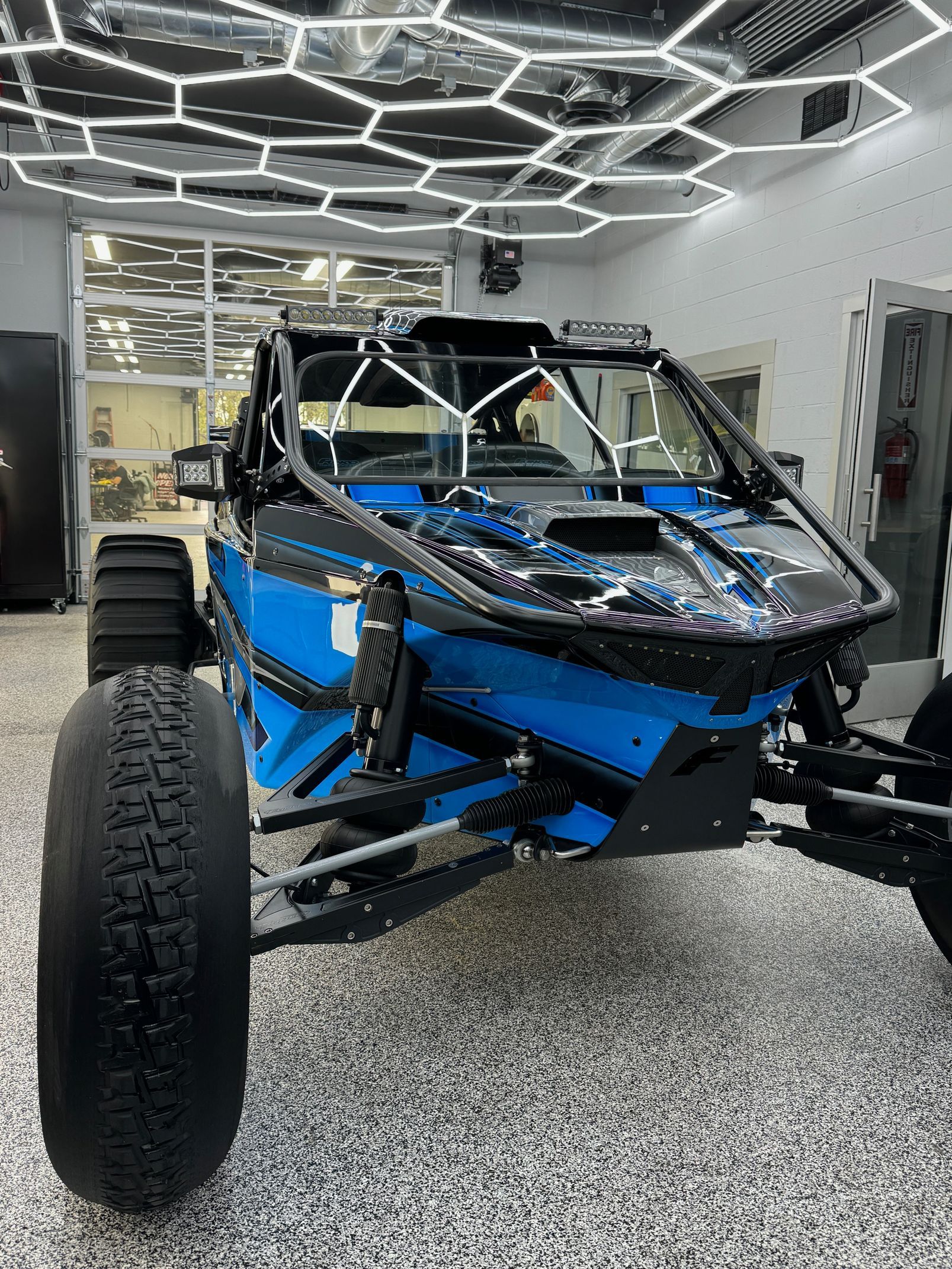
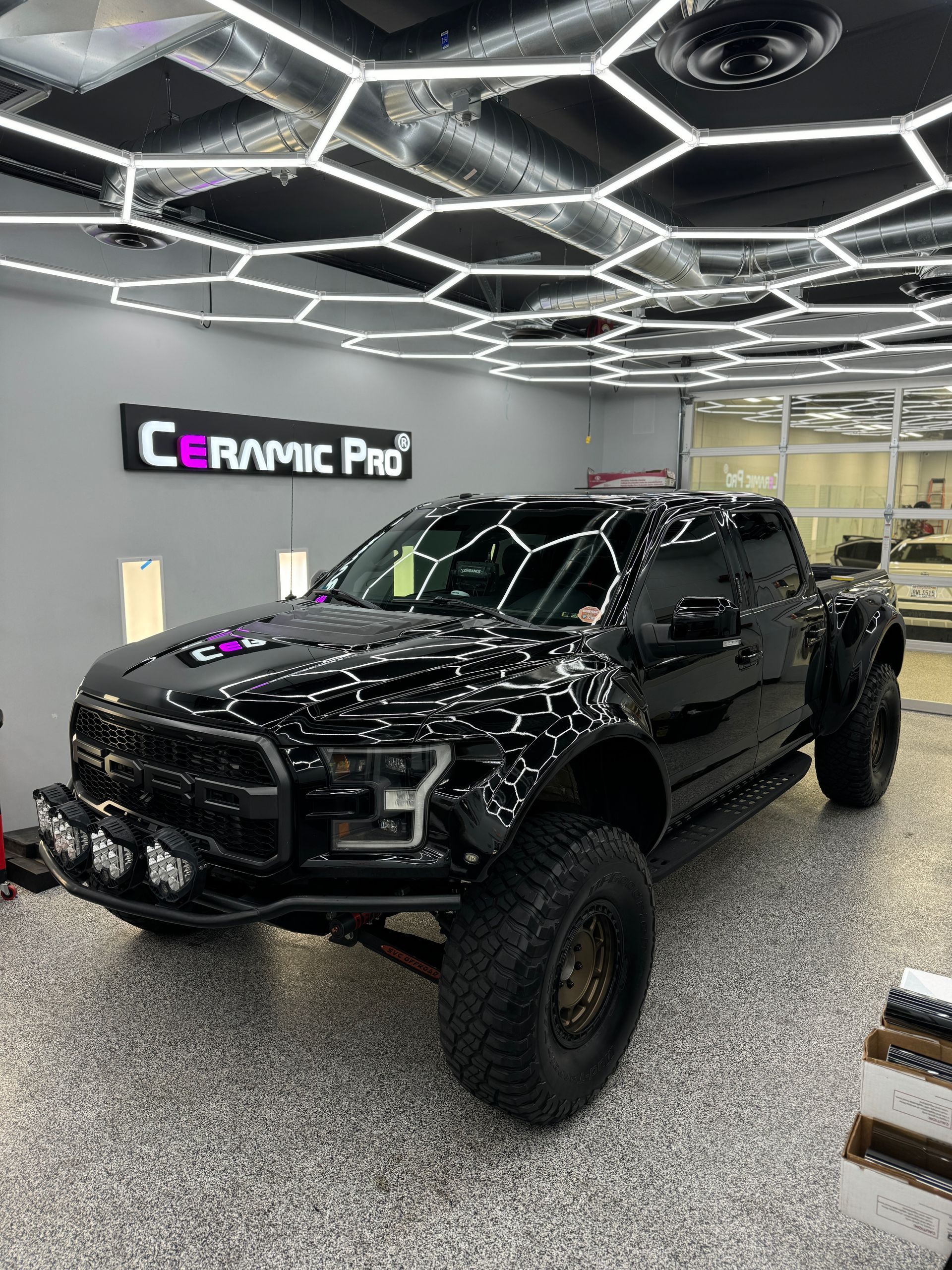
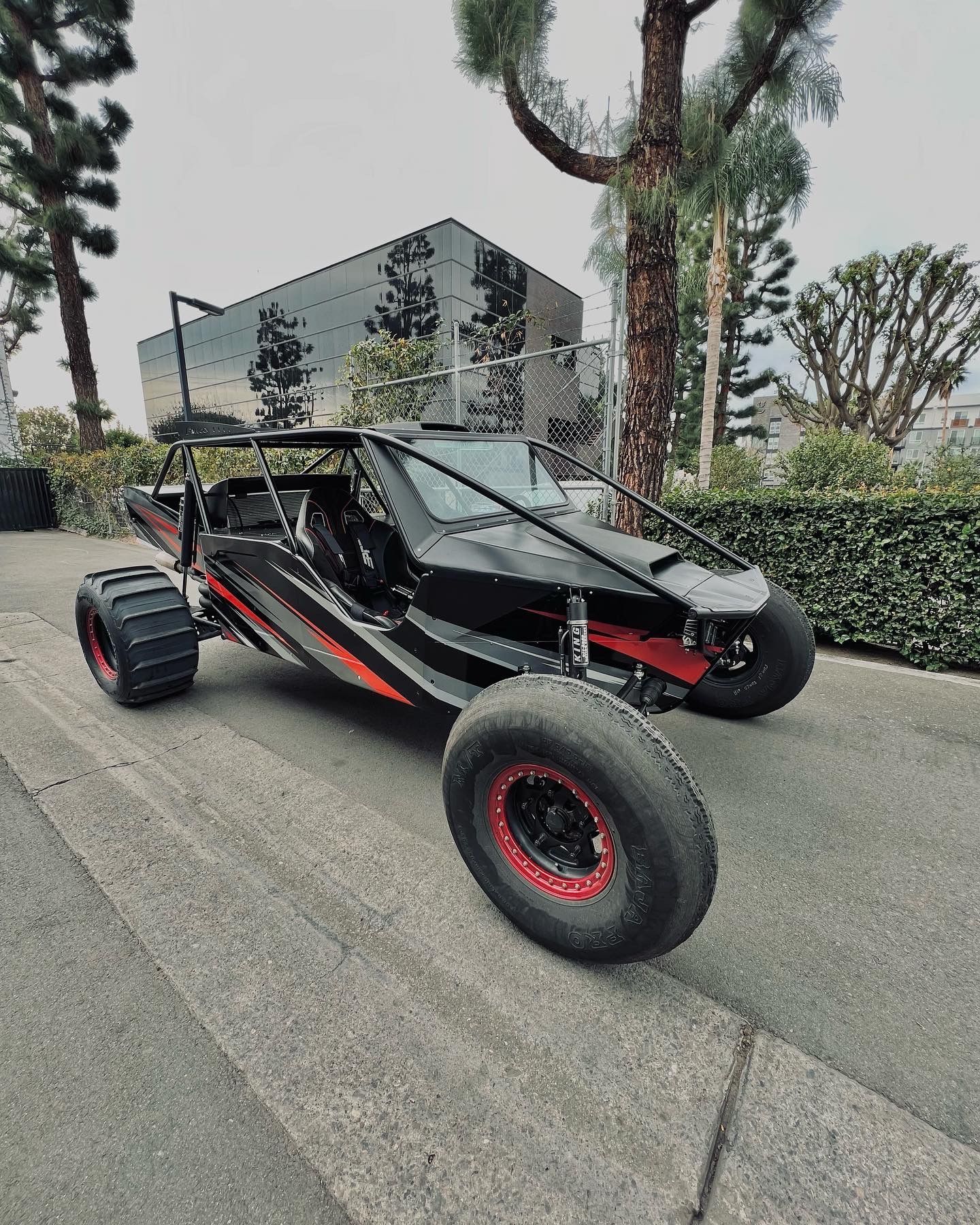
Every Bronze, Silver, and Gold installation at Mike's Tint Shop includes infrared (IR) curing. Infrared lamps drive heat into the coating rather than just warming the air around it, which cures the film evenly across the panel instead of leaving the outer surface set and the layer underneath soft. It is equipment, not technique, and it is a fair thing to ask about. You can see cured work in our gallery of coated vehicles we have finished.
Which brings us to the tell. If a coating was applied and the vehicle was handed back within the hour, it was not cured. It may still have been a real product, but it did not go through the process the product requires, and it will not perform the way the label says.
What Surfaces Are Actually Being Coated
Everyone assumes ceramic coating means paint. Paint is where most of the value sits, but the surfaces included are one of the easiest ways to compare two quotes fairly.
Our Bronze, Silver, and Gold packages all coat the paint plus the wheel faces, the windshield, all automotive glass, and the headlights and taillights. Coated glass sheds water more cleanly and is easier to keep clear. Coated wheel faces stop brake dust from bonding as hard. Coated light housings get a barrier against the UV that hazes polycarbonate lenses, which matters more here than it does in most of the country.
If you want the interior side of that UV problem handled at the same time, ceramic window tint is the companion service most of our coating clients add. Either way, ask any installer for the surface list in writing. A paint-only quote and an everything-coated quote are not the same product at the same price.
Reading the Warranty Before You Sign
A warranty term is a headline. The conditions are the product. Before you accept any coating warranty, dealership or otherwise, check five things.
- The stated term. Months or years, in writing.
- Inspection requirements. Some warranties require paid annual inspections and lapse the moment you miss one.
- What voids it. Automatic brush washes, harsh chemicals, and certain repairs are common exclusions.
- Transferability. A warranty that dies when you sell the car adds nothing to resale.
- The named product. A warranty with no product name attached is difficult to enforce against anyone.
Our warranty ladder is tied directly to what goes on the car, which is how it should work. The Sport package carries 6 months. Bronze carries 2 years. Silver carries 5 years. Gold carries a lifetime warranty. More layers and deeper correction, longer coverage. If a warranty length is not connected to anything you can point at on the vehicle, ask what it is based on.
What a Coating Costs When the Price Is Published
Most shops writing about this topic will not publish a number. Here are ours, as starting prices.
- Sport, from $350, 1 day. Foam wash, clay bar, 1 layer of Ceramic Pro Sport, 6-month warranty.
- Bronze, from $1,200, 1 day. Decontamination wash, Level 1 correction, 1 layer of 9H, 1 layer of top coat, IR curing, 2 year warranty.
- Silver, from $1,600, 1 day. Decontamination wash, Level 1 correction, 2 layers 9H, 2 layers top coat, IR curing, 5 year warranty.
- Gold, from $1,800, 1 to 2 days. Decontamination wash, Level 2 correction, 4 layers 9H, 2 layers top coat, IR curing, lifetime warranty.
For context on the other side, the detailing retailer GloveBox has reported seeing dealerships charge as much as $2,000 for what turned out to be a spray ceramic sealant lasting six to nine months. That is one company's reported experience rather than a market rate, so treat it as an illustration. But it is worth holding next to the numbers above before you sign anything. If you are also weighing film, our Signature Protection Package combines coating, correction, tint and front-end film in one visit.
When a Short-Term Coating Is the Right Call
Here is the part most shops leave out. A six-month coating is a legitimate product. We sell one. It makes sense if you are returning a lease soon, selling the car within the year, or simply want to find out how coated paint behaves before committing to a multi-year package.
So the issue with a typical dealership coating is not that it is short-lived. It is that a six- to twelve-month product is often sold at four-year prices, without the buyer being told which one they are getting. Priced honestly and labelled honestly, a short-term coating is fine. Ours is $350. That comparison is the whole argument. The same logic applies to dealer-installed film, which is why we would rather talk you through paint protection film options separately than have it bundled into a payment.
Get a Straight Answer Before You Sign Anything
If a dealership has quoted you on paint protection, bring the paperwork in, and we will tell you what it covers, including when the answer is that it is a reasonable deal. We have been family-owned and operated since 1989, with locations in Orange, Riverside, and Corona, and we install ceramic coating in Orange, CA, and ceramic coating in Corona, CA, on everything from daily drivers to Tesla and EV paint.
Call Orange at 657-221-3352, Riverside at 951-530-3675, or Corona at 951-298-9043, or request a free price estimate, and we will walk you through which package your vehicle actually needs. Financing is available.
Frequently Asked Questions
Is dealership ceramic coating worth it?
It depends entirely on what is in the package and what it costs. If the dealer can name the product, confirm correction was performed, state the layer count, and show you the warranty conditions, judge it on those. If they cannot answer those questions, you are buying an unknown.
How long does a dealership ceramic coating last?
Many are entry-level or spray products in the six to twelve-month range. Some dealers do install genuine multi-year coatings. The term on the paperwork and the product name are the only reliable indicators.
Can I put a professional coating over a dealership coating?
Not directly. The existing product has to come off first, which is machine polishing work, so it is billed as correction labour. This is the main reason accepting a coating you are unsure about can cost you twice.
How do I tell what is already on my car?
Check your purchase paperwork for a product name and warranty term. If neither is listed, bring the car in. An inspection under proper lighting will show whether there is a functioning coating on the paint and what condition the paint underneath is in.
Does ceramic coating fix scratches?
No. Coatings do not fill or remove defects, and the added gloss can make existing ones more noticeable. Correction happens first, then the coating goes on. A coating also does not replace film, since it does not stop rock chips.