5 STAR QUALITY SERVICE
Does a Vinyl Wrap Damage Car Paint When It Comes Off?
On healthy factory paint, a quality vinyl wrap that was installed and removed by a trained professional usually comes off without damaging the paint underneath. That is why a wrap is considered a reversible way to change your car's look.
Damage happens under specific conditions: the paint was already failing or freshly repainted, the film was cheap or left on too long, or the removal was rushed. Below, we cover each of those conditions, what a safe removal looks like, what your paint looks like afterward, and what to check before you
wrap your vehicle.
The Short Answer: When a Wrap Damages Paint and When It Does Not
Whether a wrap harms your paint comes down to four things: the condition of the paint, the quality of the film, how long the wrap stayed on, and how it was removed.
Conditions that protect the paint:
- Healthy factory paint with an intact clear coat
- Fully cured paint, if the car was repainted
- Quality cast vinyl applied by a trained installer
- A wrap removed within its useful life
- A slow, controlled professional removal
Conditions that put the paint at risk:
- Peeling, cracked, or failing clear coat
- Rust, chips, or poor prior repairs
- Fresh paint that had not finished curing
- Budget film that has turned brittle
- A wrap left on long past its life, especially on sun-baked panels
- Rushed or DIY removal with metal tools, too much heat, or harsh solvents
If your car fits the first list, removal is routine work. If it fits the second, the risk is real, and a paint inspection is the way to find out before anything is wrapped or removed.
Factory Paint vs. Repainted Paint
Factory and repainted paint behave differently under a wrap, and the difference shows up most at removal.
Factory (OEM) paint is applied and cured under controlled conditions. When its clear coat is intact, the paint layers hold together more firmly than the wrap's adhesive holds the paint, so a quality film lifts off without pulling paint with it.
Repainted paint is only as stable as the work behind it. It has to be properly prepped, securely bonded to the layer beneath, and fully cured. If the repaint has weak adhesion, the film can grip it harder than it grips the panel, and the paint can lift during installation or removal. Fresh paint also needs to finish gassing out before film seals it in. Cure time depends on the paint system, so confirm it with the body shop and have the panels inspected first.
The usual failure points on any car are peeling or cracked clear coat, rust, chips, and poorly bonded spot repairs. If paint condition has you weighing a wrap against new paint, our wrap vs. respray guide covers when a repaint makes more sense.
What Actually Goes Wrong During Removal
When paint does get damaged at removal, it usually traces back to one of these causes.
- Brittle budget film. Economy films can fail within 12 to 24 months and turn brittle. Brittle vinyl breaks into small pieces instead of peeling in sheets, which means more scraping and more chances to mark the clear coat.
- Film left on too long. Vinyl that has baked in the sun past its useful life loses flexibility, and its adhesive is harder to release. Hoods, roofs, and trunk lids age fastest.
- Pulling too fast or too steep. Yanking film straight up puts sudden force on the paint, which is how weak clear coat or a poor repaint gets lifted.
- Metal tools. One slip with a razor or metal scraper can cut through clear coat.
- Too much heat or the wrong solvent. Overheating can damage paint and trim, and harsh chemicals can stain or haze the finish.
How a Professional Removes a Wrap Safely
Professional removal is slow, controlled work. The goal is to release the adhesive gradually so the film lets go of the paint, not the other way around.
- Controlled heat. Each section is warmed gently to soften the adhesive, following the film maker's guidance rather than a one-size-fits-all temperature.
- A slow, low-angle peel. The film is pulled back close to the surface instead of straight up, which keeps the force on the adhesive rather than the paint.
- Working in sections. Panels are handled in small areas so the film stays warm and pliable.
- Plastic tools only. Stubborn edges are lifted with plastic tools that will not cut the clear coat.
- Residue cleanup and a wash. Leftover adhesive is removed with a cleaner suited to automotive paint, then the car is washed and decontaminated.
Throughout the job, a trained installer watches for any paint that starts to lift with the film. If it does, they stop and adjust the heat or angle before continuing.
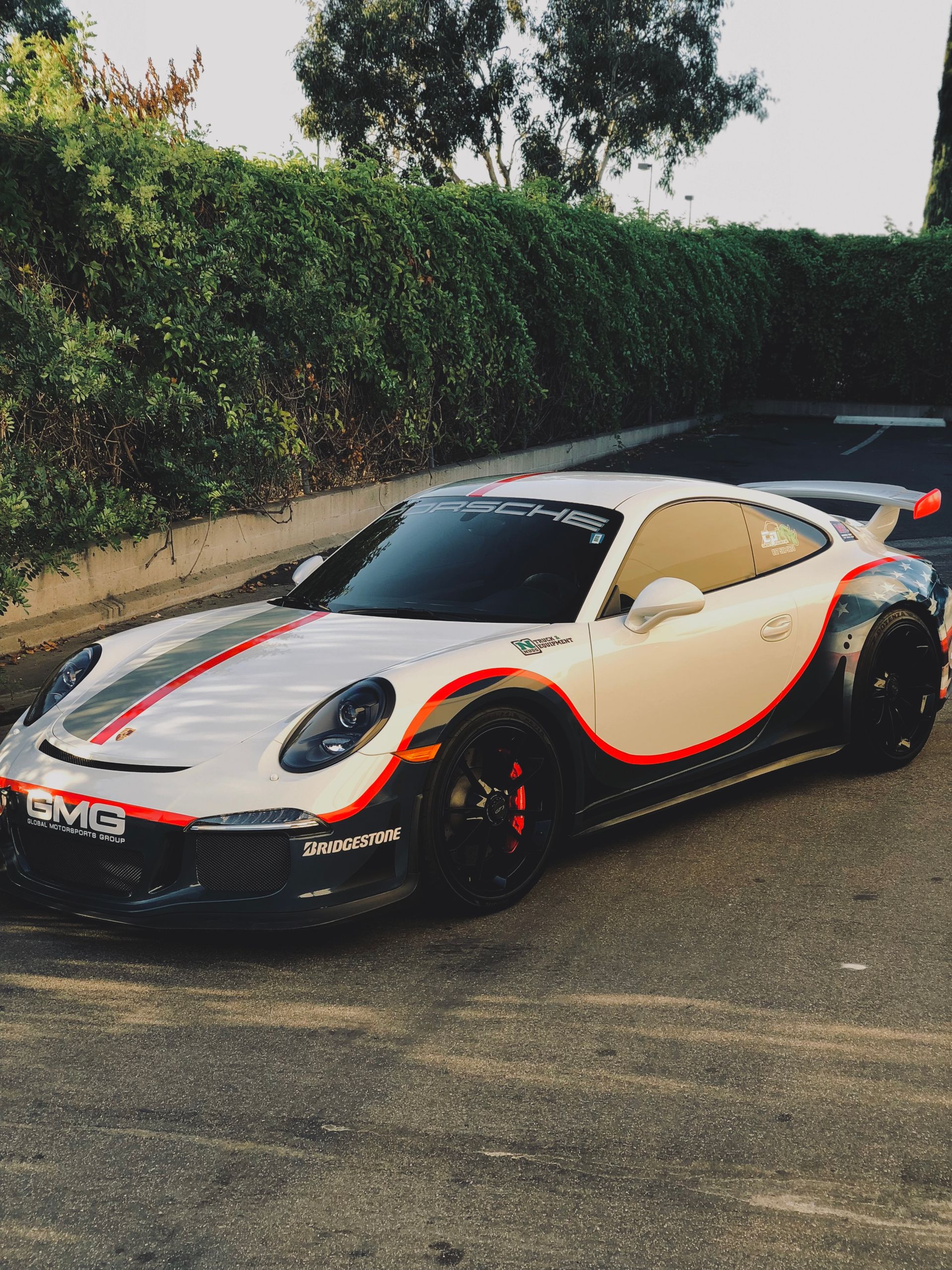
What Your Paint Looks Like After the Wrap Comes Off
On healthy paint wrapped with quality film, the paint underneath is usually intact. It has often been shielded from UV, light wash marring, and minor contamination, since the vinyl acted as a sacrificial outer layer.
Here is what to expect once the film is off:
- Light adhesive residue. Common, especially on older wraps, and cleaned off as part of the removal.
- Light marring or haze. This can usually be polished out with paint correction, which addresses swirl marks, light scratches, stains, and oxidation.
- Existing defects. Chips, dents, and failing clear coat that were there before the wrap are still there. A wrap is not rock chip protection, so any chips that came through the film remain too.
- A slight shade difference. Covered paint saw less sun than unwrapped areas such as door jambs, so the two can look slightly different.
A close look under good light right after removal shows what, if anything, needs attention.
How Long Can a Wrap Stay On Before Removal Gets Harder?
The longer film stays on past its useful life, the harder it is to remove cleanly. As we cover in our vinyl wrap lifespan guide, expected life depends mostly on the film:
- High-quality vinyl: 5 to 7 years
- Premium cast vinyl: 7 to 10+ years
- Budget calendared vinyl: 2 to 4 years
Treat those ranges as a removal window, not a goal to stretch. Cast vinyl is made to stay flexible for years, while calendared film tends to shrink and turn brittle sooner. Once you see fading, cracking, or brittle edges, especially on the hood and roof, it is time to plan removal. Southern California sun speeds this up for cars that park outside.
How to Protect Your Paint Before You Wrap
The best way to protect your paint at removal is to get it ready before the wrap goes on.
- Have the paint inspected for peeling clear coat, rust, chips, and repaired panels.
- Fix failing clear coat or rust first. A wrap does not repair paint, and weak paint is what lifts at removal.
- Let any fresh paint finish curing before film goes over it.
- Book paint correction where the surface needs it, so the film bonds to clean, sound paint.
- Choose quality cast film and a trained installer.
For the full prep and install sequence, see what to expect during a full vehicle wrap.
Should You Remove a Wrap Yourself or Hire a Professional?
You can peel a wrap off yourself, but DIY removal is where most removal damage starts. The common mistakes are pulling too fast, reaching for a razor blade, overheating panels, and using household solvents on the residue. On a repainted panel or tired clear coat, one rushed pull can lift paint that then needs refinishing.
Professional removal takes longer, but repairing or repainting damaged clear coat costs far more than removing the film correctly. If the wrap is old, sun-baked, or sitting on a repainted car, leave it to a professional.
Wrap and Paint Care at Mike's Tint Shop
Mike's Tint Shop has been family-owned and operated since 1989 and is a certified Ceramic Pro shop. We install custom vinyl wraps in gloss, satin, matte, chrome, and color shift finishes, plus commercial and fleet wraps, using premium cast vinyl. Before we quote a wrap, we look the paint over, and when the surface needs it, we recommend paint correction first.
Visit us at any of our three Southern California locations:
Request a free estimate to have your paint checked before your next wrap.
Frequently Asked Questions
Does removing a vinyl wrap ruin the paint?
Not on healthy factory paint. A quality wrap removed by a trained installer usually comes off cleanly. The risk rises with failing clear coat, weak repaints, brittle budget film, wraps left on too long, and rushed DIY removal.
Will a wrap damage the clear coat?
Not if the clear coat is intact. If it is already peeling or lifting, the adhesive can grip the failing layer instead of the panel, and removal can take that clear coat with it.
Can you wrap a repainted car?
Often, yes, as long as the repaint is fully cured, stable, and securely bonded. Have it inspected first, since a repaint with poor adhesion can lift during installation or removal.
Is it safe to wrap a leased car?
A removable wrap can suit a leased car with sound factory paint, but check your lease agreement and insurer first. Schedule professional removal well before turn-in so the film is not rushed off.
How long can you leave a wrap on before it damages the paint?
Plan removal within the film's expected life: about 5 to 7 years for high-quality vinyl, 7 to 10+ for premium cast, and 2 to 4 for budget film. Past that point, the film gets brittle and harder to remove cleanly.
What if there is adhesive residue after the wrap is removed?
Light residue is common. It is cleaned off with a remover suited to automotive paint, followed by a wash. Avoid scraping it with metal or using harsh household solvents, which can mark the clear coat.
Can I remove a vinyl wrap myself?
You can, but DIY removal is the most common source of paint damage. On older film, repainted panels, or weak clear coat, professional removal is the safer choice.
Does a wrap protect the paint underneath?
It acts as a sacrificial layer against UV, light wash marring, and minor contamination. It is not rock chip protection. For impact protection, paint protection film is the product built for that job.