5 STAR QUALITY SERVICE
How PPF and Ceramic Coating Work Together to Protect Your Vehicle
Every car owner wants paint that still looks sharp five years down the road. That goal is achievable, but no single product gets you there on its own.
Paint Protection Film (PPF) acts as a physical barrier between your clear coat and the road. It absorbs rock chips, road debris, and scratches so your paint never has to. Ceramic coating works differently. It chemically bonds to your paint at the molecular level, creating a hydrophobic, UV-resistant surface that repels contaminants and keeps your car looking freshly detailed.
The two products protect against completely different threats. That is exactly what makes them so effective together. At Mike's Tint Shop, we apply PPF and ceramic coating as a system because one without the other leaves real gaps in your vehicle's protection.
What Paint Protection Film Actually Does
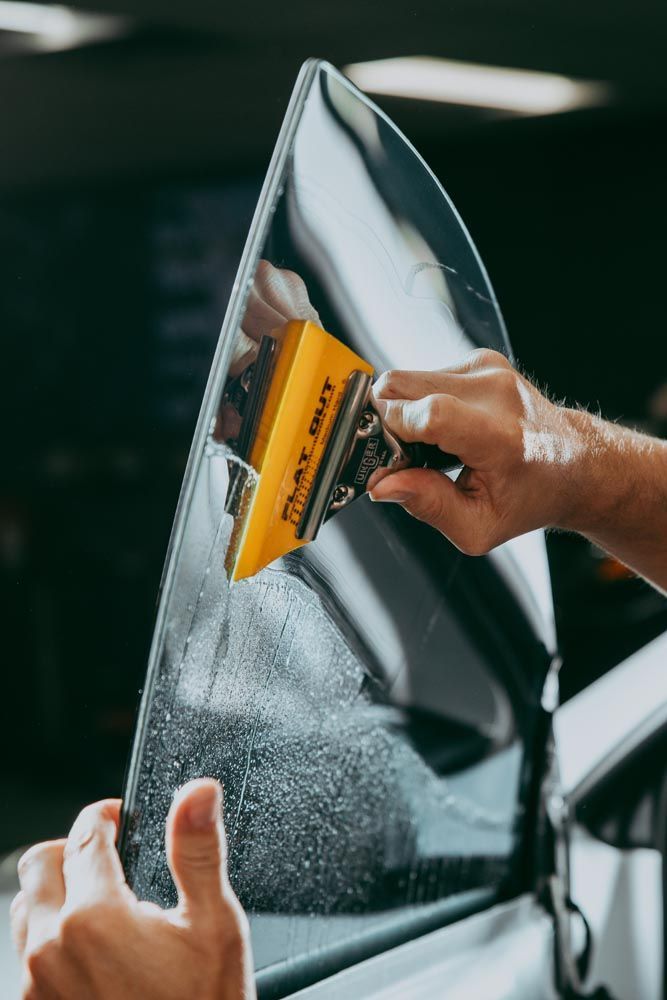
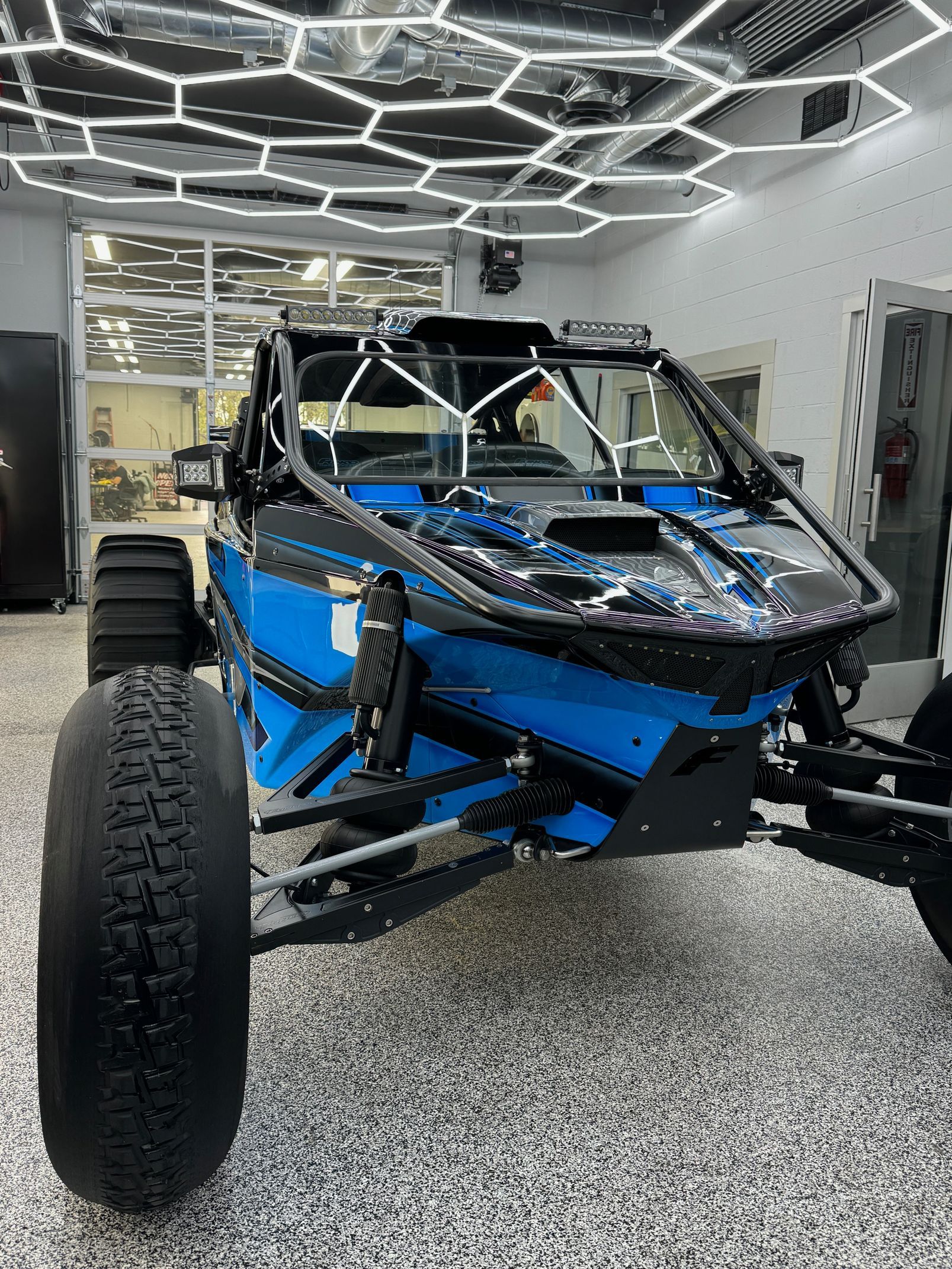
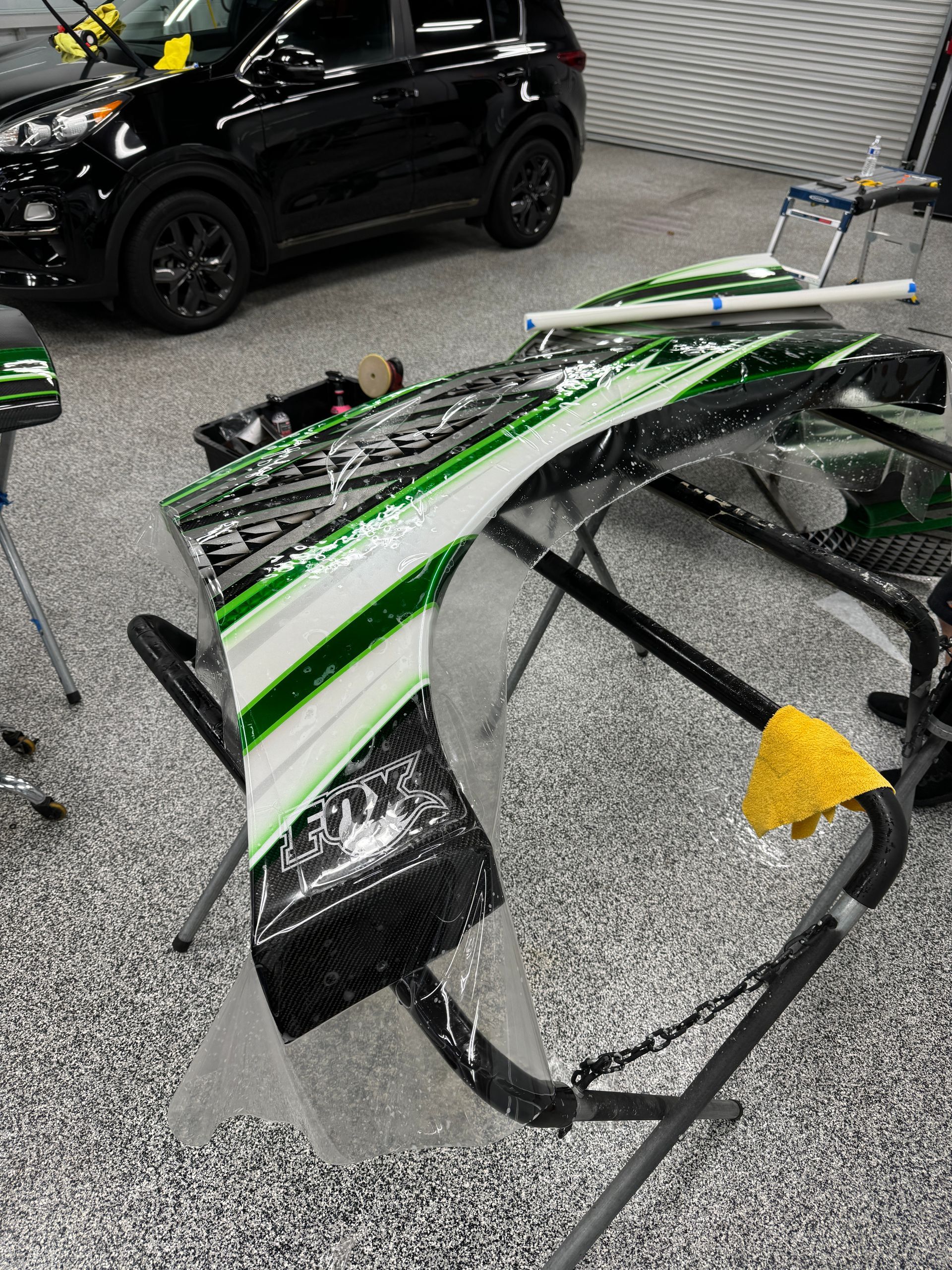
PPF is a clear, self-healing thermoplastic urethane film applied directly to your vehicle's painted surfaces. You cannot see it, but it is working every time you drive.
Its job is straightforward: absorb physical damage before it ever reaches your clear coat. When a rock kicks up from the highway and hits your hood, the film takes the hit. When a shopping cart grazes your door in a parking lot, the film absorbs the scuff.
One of PPF's standout features is self-healing technology. Minor scratches and light swirl marks disappear when the film is exposed to heat, whether from direct sunlight or warm water. The film essentially resets itself.
We apply PPF to the areas of your vehicle most exposed to road hazards:
- Front bumper
- Hood
- Fenders
- Side mirrors
- Rocker panels
- Door edges and handles
- Rear bumper
Full-body PPF coverage is available for owners who want maximum protection across every panel. For most vehicles, strategic coverage of high-impact zones delivers outstanding results at a more accessible price point.
One thing PPF does not do on its own:
PPF alone is not hydrophobic. Without a ceramic coating on top, contaminants like bird droppings, tree sap, and road grime can bond to the film surface. That is one of the core reasons we recommend applying ceramic over PPF, not instead of it.
What Ceramic Coating Actually Does
Ceramic coating is a liquid polymer, primarily silicon dioxide (SiO2), that bonds chemically to your vehicle's clear coat at the molecular level. Once cured, it does not sit on top of your paint. It becomes part of the surface.
The result is a hard, glass-like protective layer that does several things wax and sealant simply cannot match:
Hydrophobic surface: Water beads and rolls off. Dirt, mud, and road grime do not bond. Your car stays cleaner between washes.
UV protection: Ceramic blocks UV radiation, preventing the oxidation and fading that dulls paint over time.
Chemical resistance: Bird droppings, tree sap, acid rain, and industrial fallout cannot etch into the protected surface the way they can on bare clear coat.
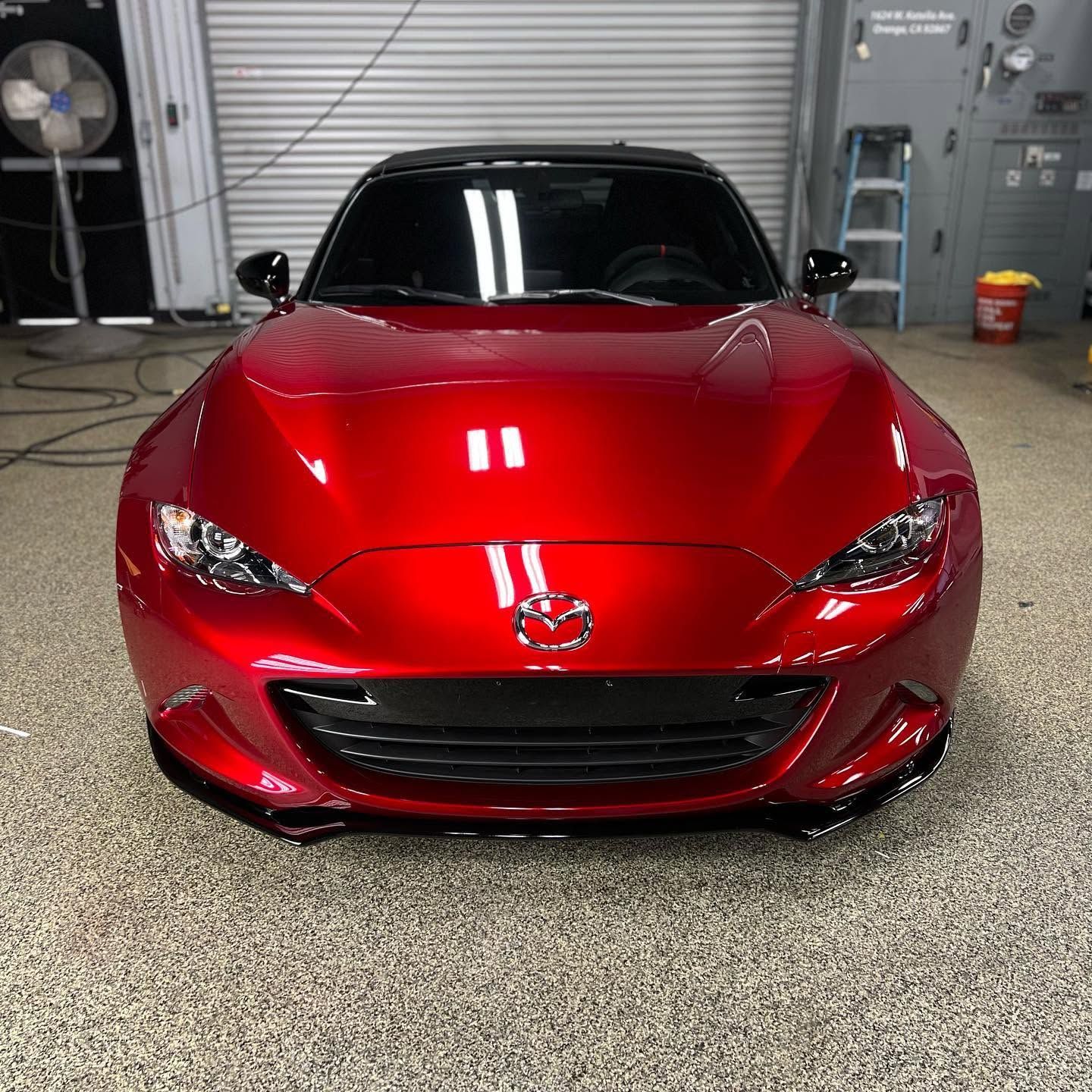
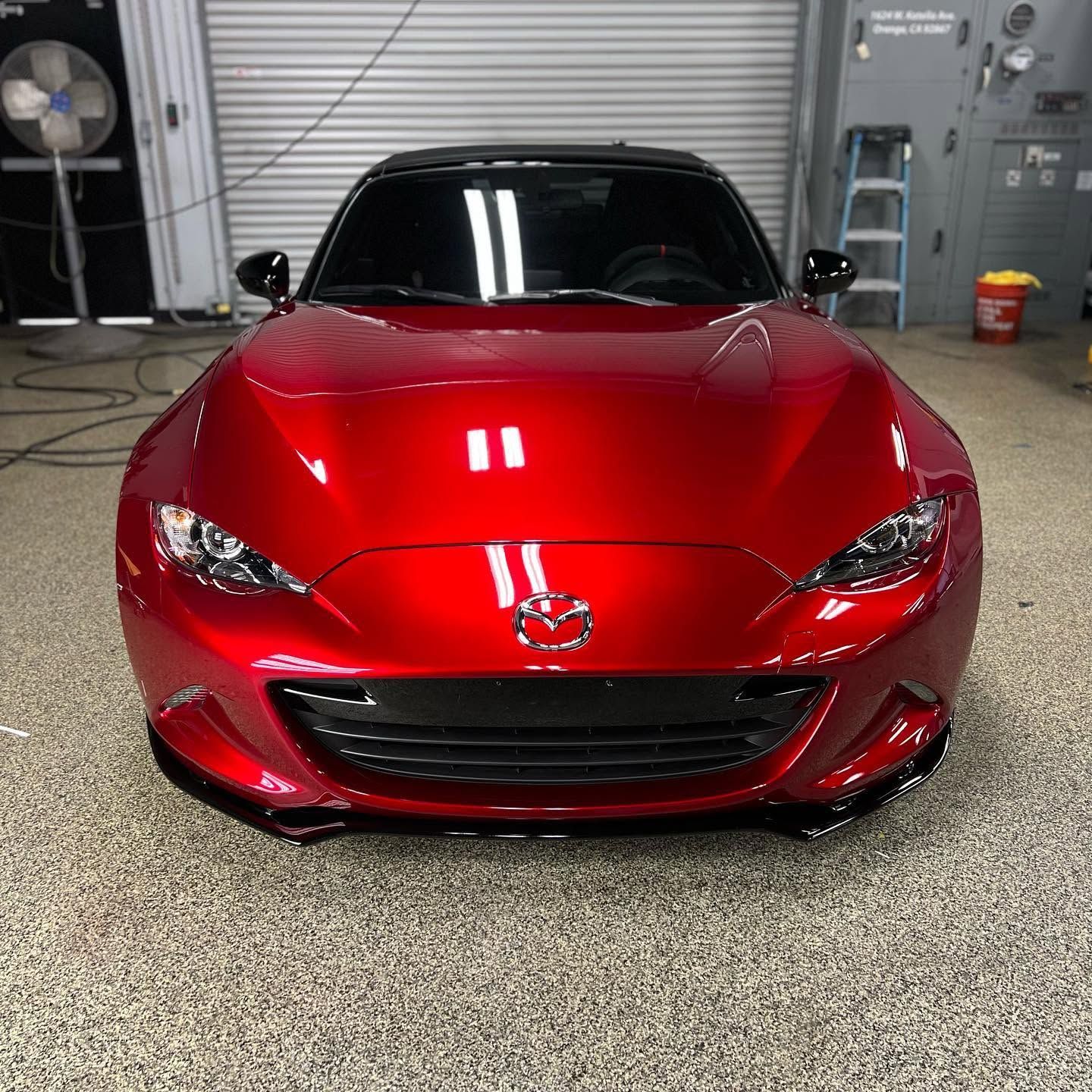
Enhanced gloss: Ceramic deepens paint color and adds a mirror-like shine that outlasts any wax by years.
What ceramic coating cannot do is absorb a physical impact. A rock hitting your bumper at highway speed will chip right through a ceramic-only surface. That is not a flaw in the product. That is just not what ceramic is built for.
With professional application, ceramic coatings last up to nine to twelve years. Maintenance is simple: regular washing with a pH-neutral car wash soap and occasional ceramic booster sprays to refresh the hydrophobic layer.
They Are Not Competing Products
The most common question we hear is some version of: do I need both, or should I just pick one? The framing behind that question is the issue. PPF and ceramic coating are not alternatives to each other. They solve different problems.
PPF protects against what hits your paint. Ceramic protects against what lands on your paint.
Rock chips, road debris, and physical abrasion — those are PPF's territory. UV oxidation, chemical etching, water spots, and contamination buildup — that is where ceramic earns its place.
Choosing one and skipping the other means leaving your vehicle exposed on an entire axis of damage. A car with PPF but no ceramic will be chip-resistant but prone to contamination, fading, and difficult maintenance. A car with ceramic but no PPF will stay clean and glossy right up until the first rock strike on the hood.
The right way to think about it:
PPF is the armor. Ceramic is the coating that keeps the armor clean, protected, and performing at its best.
How PPF and Ceramic Coating Work Together
When applied together correctly, PPF and ceramic coating create a layered defense system where each product covers the other's gaps.
PPF handles the physical threats ceramic cannot stop. Every rock chip, scratch, and piece of road debris that would otherwise pit your clear coat is absorbed by the film first. The paint underneath stays untouched.
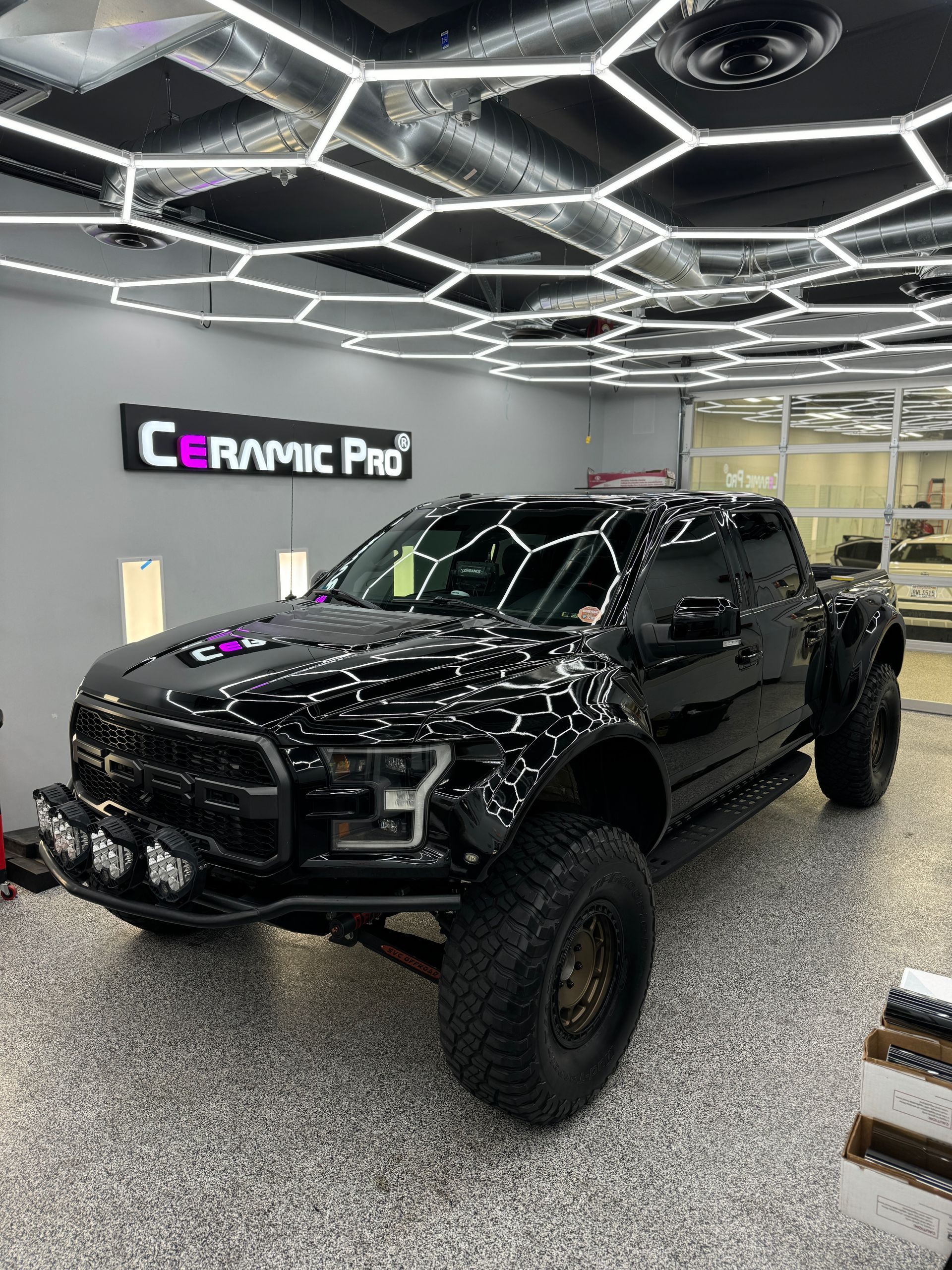
Ceramic applied over PPF adds the hydrophobic properties the film lacks on its own. Water, dirt, and contaminants slide off the film surface instead of bonding to it. The PPF stays cleaner, is easier to wash, and lasts longer because it is not being degraded by the environmental damage ceramic is there to block.
Ceramic over PPF also extends the film's lifespan. UV radiation and chemical exposure degrade bare film over time. The ceramic layer shields the PPF from both, so your protection investment holds up longer.
The combined setup delivers what neither product achieves alone:
- Physical protection from chips, scratches, and abrasion
- Chemical and UV protection across every painted surface
- Hydrophobic performance that makes washing faster and less frequent
- A consistent, deep-gloss finish across coated and filmed panels
- Extended lifespan of both the film and the underlying paint
PPF vs. Ceramic Coating: Side-by-Side Comparison
| Protection Area | PPF | Ceramic Coating |
|---|---|---|
| Rock chips & road debris | Yes | No |
| Scratches & scuffs | Yes (self-healing) | Minor only |
| UV radiation & oxidation | Yes | Yes |
| Bird droppings & tree sap | Yes | Yes |
| Chemical etching | Partial | Yes |
| Hydrophobic / water-repelling | No (alone) | Yes |
| Enhanced gloss & depth | Maintains existing | Yes, significantly |
| Easier cleaning | Slightly | Dramatically |
| Longevity | 5–10 years | Up to 9–12 years |
The Correct Application Order
The sequence matters. Getting it right is the difference between a protective system that performs and one that underdelivers.
Step 1: Paint Correction
Before anything goes on the car, we inspect and correct the paint. Swirl marks, fine scratches, and oxidation need to come out first. PPF seals whatever is underneath it. Ceramic bonds to whatever surface it touches. Starting with clean, corrected paint means both products are protecting a flawless foundation.
Step 2: PPF Installation
PPF goes on the designated high-impact areas first. The film is precision-cut to fit your vehicle's panels and installed without visible edges on most applications. We allow the film to fully cure before moving to the next step.
Step 3: Ceramic Coating Application
Once the PPF has fully cured, ceramic coating is applied over the entire vehicle, including directly over the PPF. The ceramic bonds to both the painted surfaces and the film surface, giving every panel the same hydrophobic and UV-resistant protection.
During the curing period following ceramic application, the vehicle needs to stay dry and away from contaminants. We walk every customer through exactly what to expect after their service so the investment cures properly and performs as it should.
The Benefits of Combining Both
For vehicle owners who want comprehensive paint protection, the combination of PPF and ceramic coating is the strongest setup available. Here is what that looks like in practice.
- Complete coverage against two different threat categories: physical damage from the road and environmental damage from UV, chemicals, and contamination.
- Easier day-to-day maintenance: The hydrophobic ceramic surface means less time washing and less effort when you do. Water, dirt, and road grime simply do not stick.
- Longer-lasting protection: Ceramic shields the PPF from degradation. PPF protects the paint beneath. Each layer extends the performance of the other.
- Consistent appearance across the entire vehicle: The ceramic gives filmed and unfilmed panels the same gloss and depth, so there is no visible contrast between protected zones.
- Stronger resale value: A vehicle with protected, chip-free, clean paint commands more at trade-in and private sale. It also avoids the lease-return penalties dealers charge for paint damage.
Get Complete Paint Protection at Mike's Tint Shop
No single product gives your vehicle complete protection. PPF covers the physical threats ceramic cannot stop. Ceramic covers the environmental threats PPF cannot block. Together, they give your car the strongest paint defense available.
At Mike's Tint Shop, we install PPF and ceramic coating as a system. We start with paint correction, apply film to your vehicle's high-impact areas, and finish with a professional ceramic coating over every panel. The result is protection that performs across every angle of damage your car faces on the road.
Ready to protect your vehicle?
Schedule a PPF and ceramic coating consultation with Mike's Tint Shop today. We will walk you through the right coverage for your vehicle, your driving habits, and your budget.
Frequently Asked Questions
Can you apply ceramic coating over PPF?
Yes, and it is the recommended approach. Ceramic bonds directly to the PPF surface and gives the film the hydrophobic and UV-resistant properties it lacks on its own. We apply ceramic over the entire vehicle, including all filmed areas.
Does PPF need a ceramic coating on top of it?
It is not strictly required, but the combination delivers significantly better results. PPF alone is porous over time, which makes it harder to clean and more susceptible to environmental degradation. Ceramic applied over PPF solves both of those issues and extends the film's lifespan.
Do I need PPF on the whole car or just the front?
Most of our customers apply PPF to the high-impact zones: front bumper, hood, fenders, mirrors, rocker panels, and door edges. These are the areas that take the most abuse from road debris. We then apply ceramic coating over the entire vehicle. Full-body PPF is an option for owners who want maximum coverage across every panel.
How long does the PPF and ceramic combination last?
PPF lasts between five and ten years depending on film grade, installation quality, and how the vehicle is maintained. Professional ceramic coatings last up to nine to twelve years. Regular washing with a pH-neutral soap and occasional ceramic booster applications keep both layers performing at their best.