5 STAR QUALITY SERVICE
Is Winter a Good Time to Install PPF in Orange, CA?
This time of year, drivers in Orange ask us the same question: should I book paint protection film (PPF) now, or wait for spring? It is a fair question, and most of the advice online makes it harder to answer.
Those articles are written for snowy states with road salt and ice scrapers. That is not what Orange drivers deal with. Here is a straight answer based on Orange's actual winter weather and how we install film.
Is Winter a Good Time to Get PPF in Orange, CA?
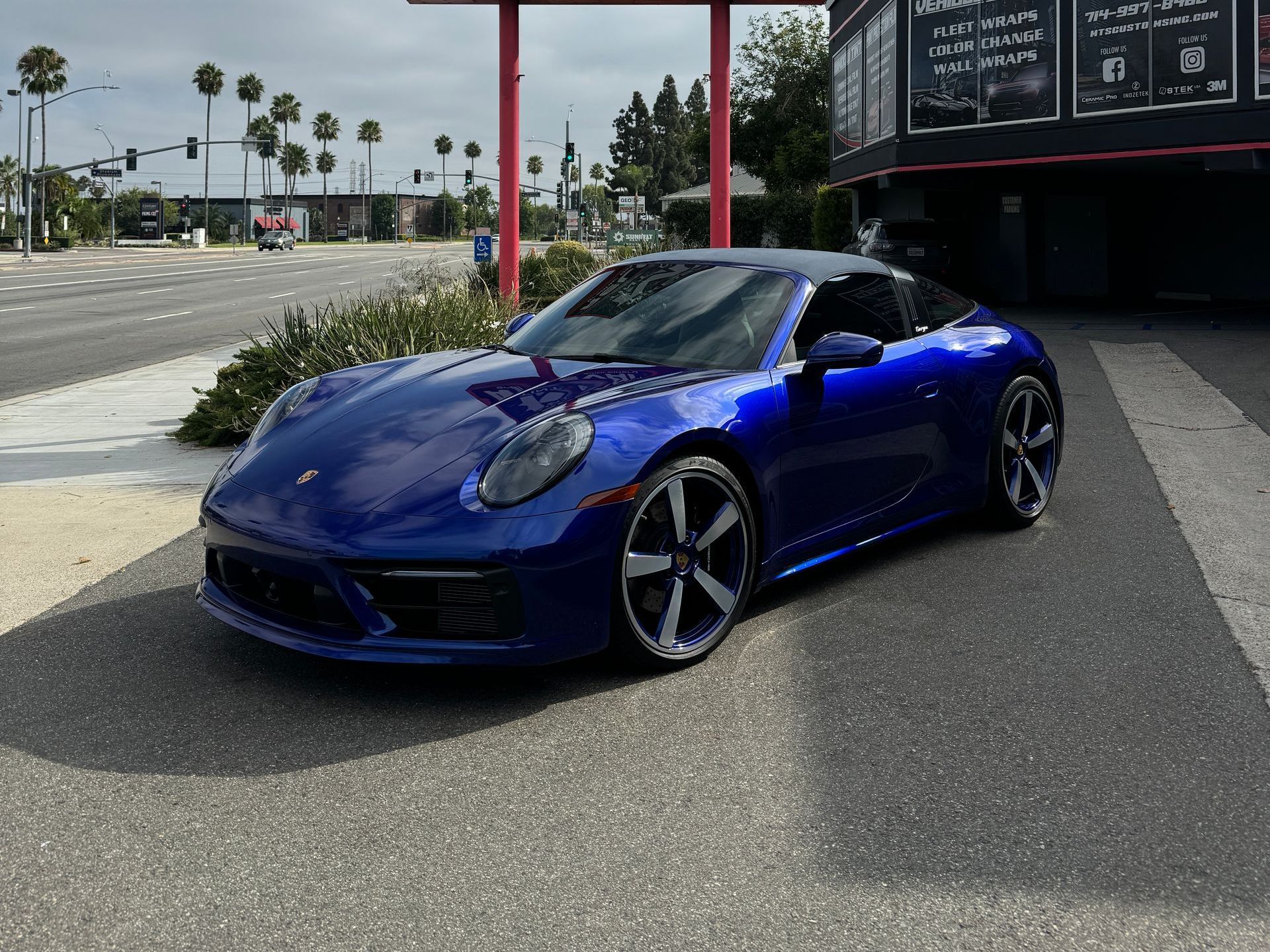
Yes. In Orange, winter is a good time to install PPF. Daytime highs stay in the upper 60s, there is no snow or road salt, and the film goes on in a controlled shop environment. The main thing to plan around is rain, so keep the car dry for the first several days while the film cures.
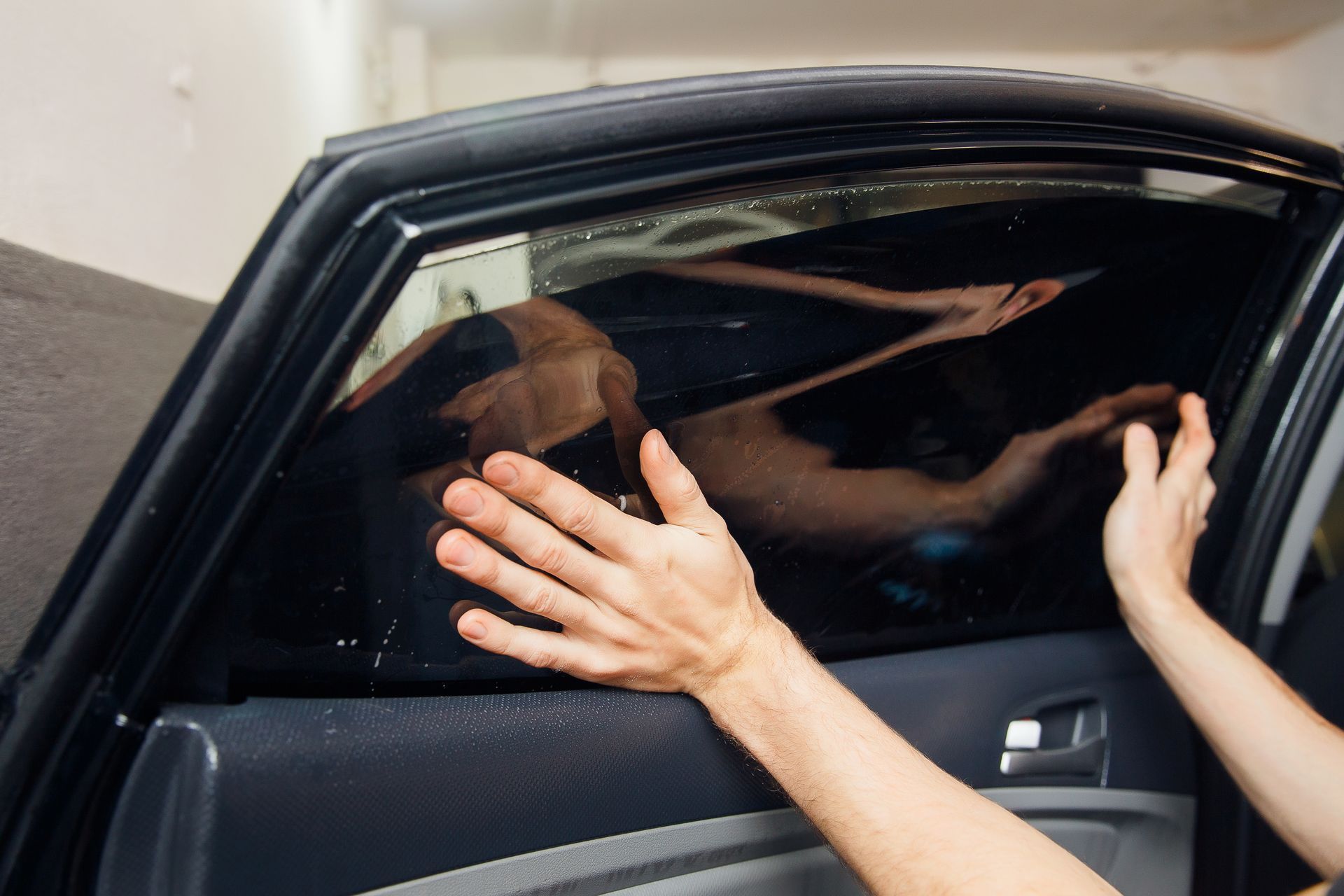
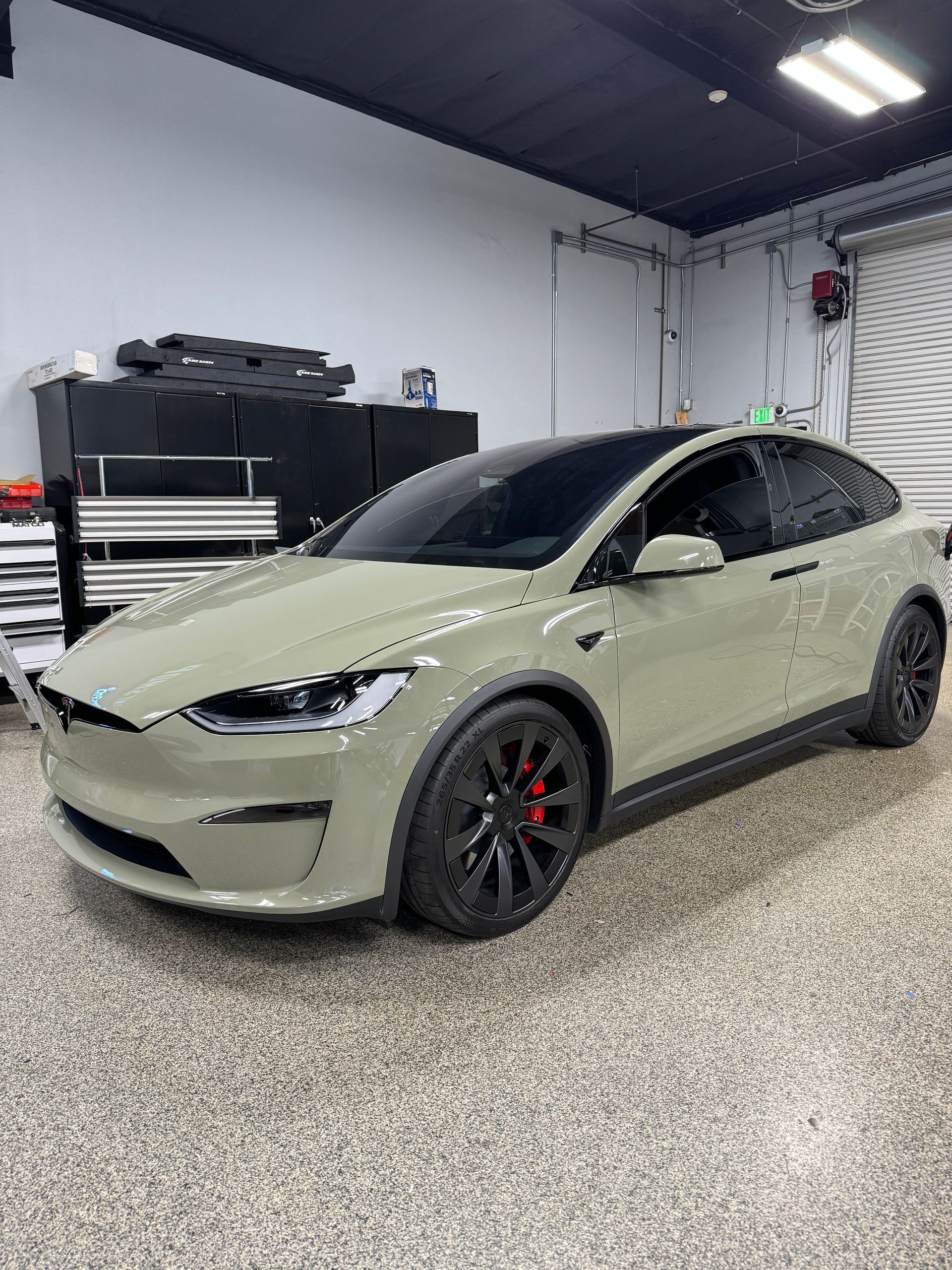
PPF, also called clear bra, is a clear, durable film applied to painted panels that takes rock chips, scratches, and stains before they reach your paint. Booking in winter gets that film on your car before spring driving and the hottest months of summer. If you are ready to protect your car, see our paint protection film in Orange, CA
How Temperature Affects PPF Installation
PPF installs best within a controlled temperature range, so the conditions inside the shop matter more than the weather outside. Both cold and heat change how the film and its adhesive behave.
When it is too cold:
- The film stiffens and is harder to stretch around curves and edges.
- The adhesive is less tacky, so it grips the paint more slowly.
- Moisture can condense and get trapped under the film.
- Curing takes longer.
When it is too hot:
- The film gets too soft and can over-stretch.
- The slip solution used during installation dries too fast, which leaves less time to position the film.
That is why our shops are set up as a dedicated, controlled environment for this work, so the install does not depend on what the weather is doing that day.
What Winter Actually Looks Like in Orange
Winter in Orange is mild, which makes it a comfortable season for a PPF install. According to WeatherSpark, Orange's cool season runs from late November to late March. December is the coolest month, with an average high of 68°F and an average low of 46°F, and winter lows rarely drop below 38°F.
There is no snow in Orange, so there is no road salt and no ice scraper dragging across your hood. Most of the winter-damage advice written for colder states does not apply here.
Rain is the real winter factor. WeatherSpark puts the chance of a wet day in Orange at 11% at the start of winter, rising to 18% by the end. Wet weeks matter most in the days right after your install. Cool nights can slow curing a little, but they do not stop it.
How We Install PPF in Cooler Weather
A winter install follows the same careful process as any other season, and the controlled shop environment keeps the film and adhesive working the way they should. Clean, dry paint is the foundation of a good install in cooler weather.
- The paint is washed and decontaminated so no dirt or residue gets trapped under the film.
- Every panel is fully dried, including edges and seams, so no moisture is sealed in.
- If the paint has swirls or other defects, we recommend paint correction first so those flaws are not locked under the film.
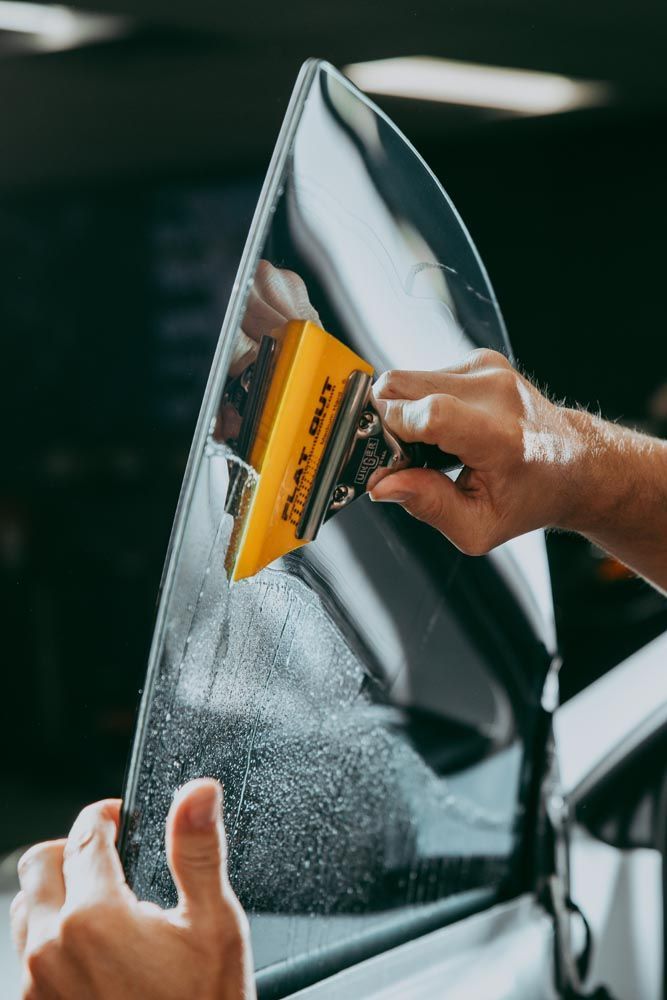
- The film is fitted panel by panel, with heat used where needed to wrap edges and curves.
We install PPF at our Orange, Riverside, and Corona shops, and we also offer installs at your location. For a winter install at home or work, a garage helps keep conditions steady and the car dry.
Curing and Care After a Winter Install
PPF keeps bonding to your paint for days after you drive home, and cool weather can stretch that process a little. Here is what to expect and how to care for the film:
- Do not wash or wax the car for at least 7 days after installation.
- Small water bubbles or cloudiness under the film are normal. They evaporate as the film cures, so do not poke, press, or try to smooth them out.
- Plan around rain. Avoid heavy rain and high-speed driving during the curing period, and keep the car garaged or covered when you can.
- After the first week, hand wash with a pH-neutral soap and soft microfiber.
- PPF's self-healing top layer uses heat to fade light marks. On cool days, warm sun or warm water helps it along.
For the full routine, see our guide on how to maintain your paint protection film.
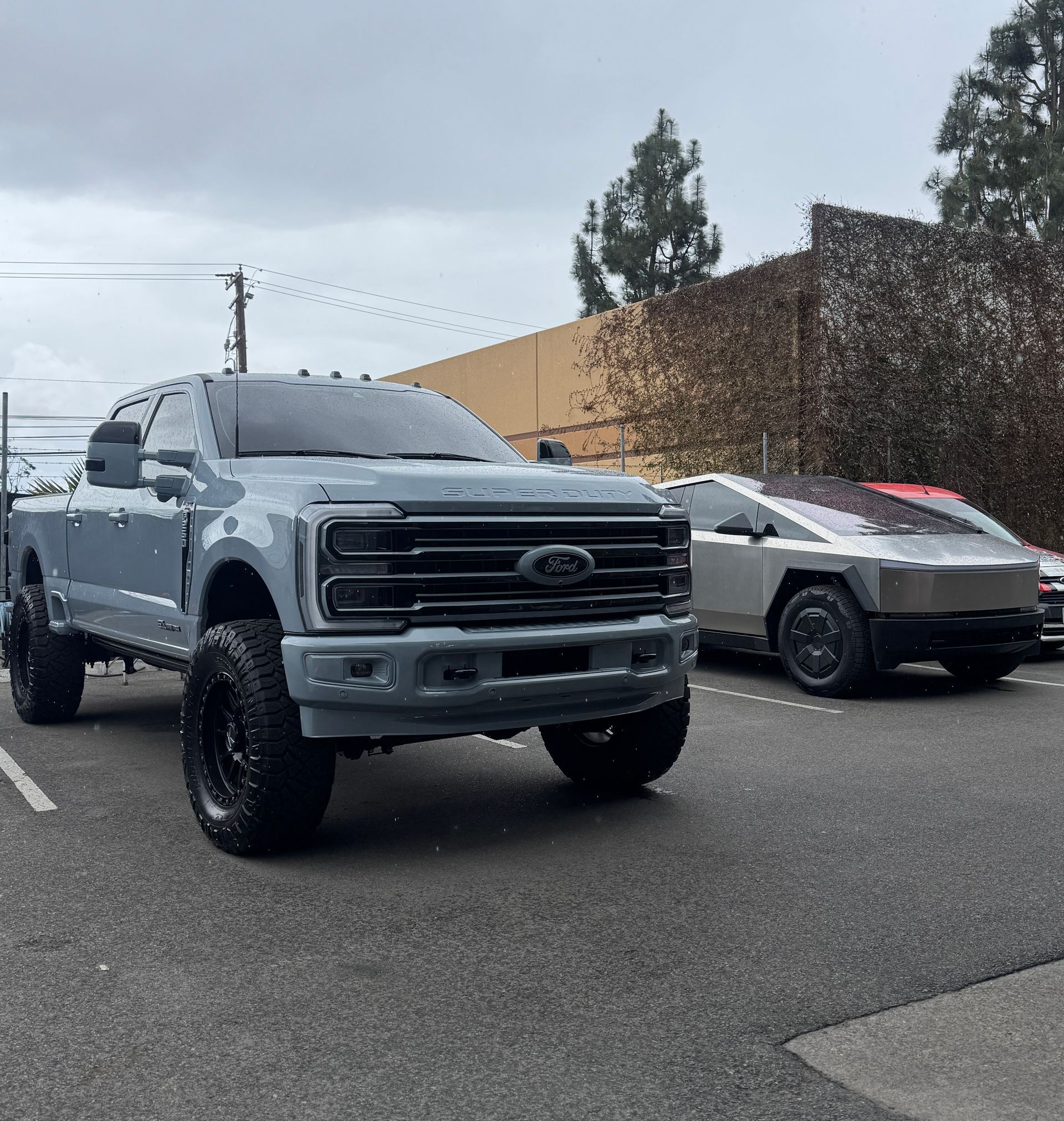
Why Winter Can Be Better Than Waiting for Spring
Waiting for spring leaves your paint unprotected through months that are not as quiet as they look. Rock chips and road debris happen all year on Orange County freeways and in construction zones, and bird droppings and tree sap do not take the winter off.
UV exposure continues through winter, and the hot season is not far behind. WeatherSpark puts Orange's warm season from early July to late September, with average daily highs above 81°F. A winter install gets the film on and fully cured before spring road trips and summer heat arrive.
Which PPF Coverage Makes Sense for Orange Drivers?
The right coverage depends on how and where you drive. Our gloss PPF packages include:
- Front bumper only: protection for the area that takes the most hits.
- Partial front: front bumper, partial hood, mirrors, and partial front fenders.
- Full front: front bumper, full hood, and full front fenders.
- Full body: front and rear bumpers, full hood, full front fenders and full rear fenders.
Every gloss package comes with a 10-year warranty, and extended patterns are available at an additional cost. We also offer matte PPF and color-change PPF.
Daily freeway commuters usually get the most from full front or full body coverage, since the hood, fenders, and mirrors take steady debris hits. A weekend car that mostly stays off the freeway may only need partial front coverage.
You can also add ceramic coating over PPF for easier washing. A coating does not replace PPF for rock chip protection.
PPF Installation at Mike's Tint Shop in Orange
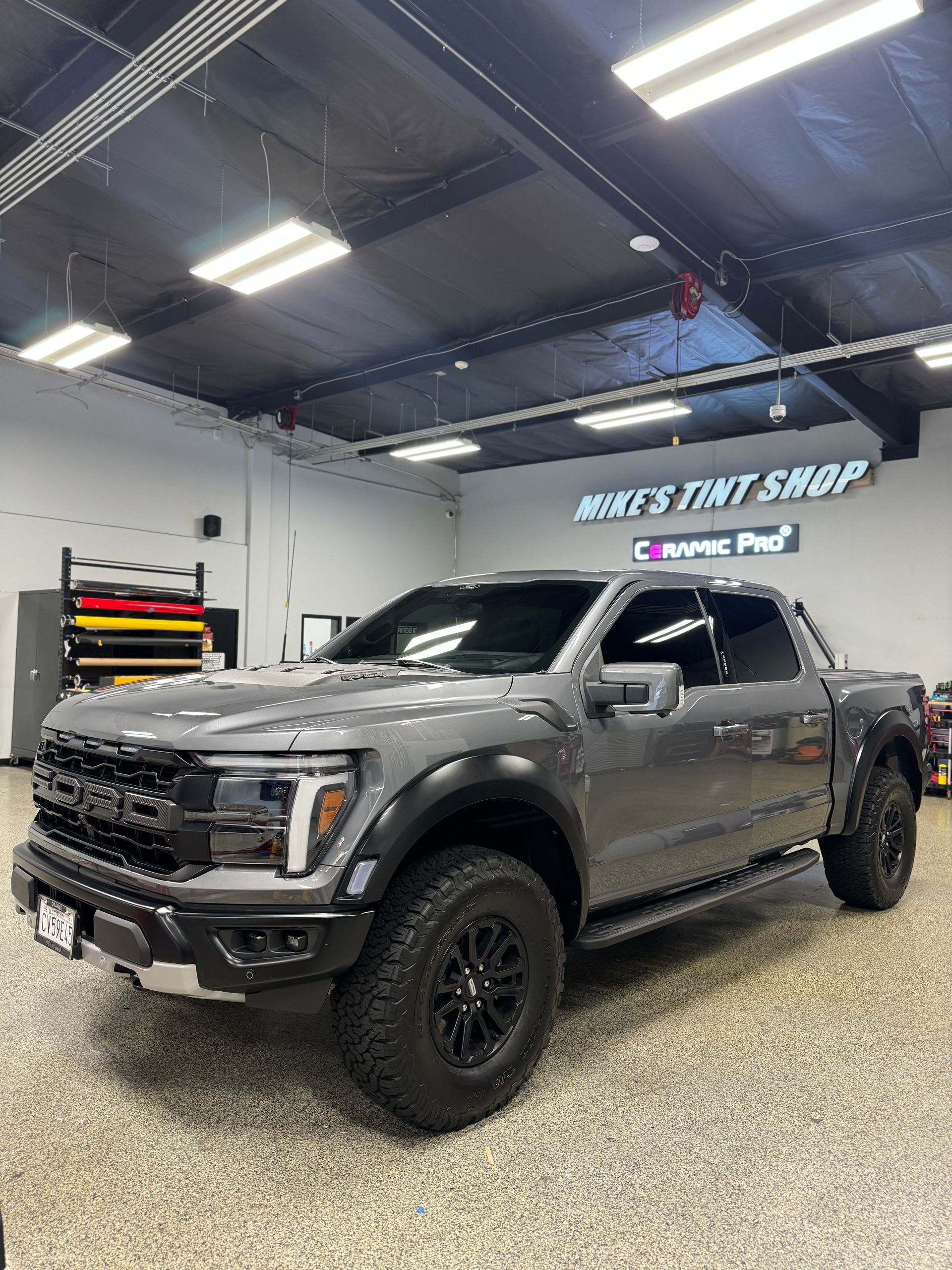
Mike's Tint Shop has served Orange County drivers since 1989, and our certified installers handle PPF at our shop at 1624 W Katella Ave, Orange, CA 92867. Our gloss, matte, and color change PPF packages come with a 10-year warranty.
We serve drivers across Orange County, including Orange, Anaheim, Irvine, Tustin, Fullerton, Yorba Linda, Costa Mesa, Newport Beach, Lake Forest and Stanton. See our pages on paint protection film near Tustin and paint protection film near Costa Mesa.
To book a free consultation for paint protection film in Orange, CA, call us at (657) 221-3352 or reach us through our contact page. Our Orange shop is open Monday to Friday, 9 AM to 6 PM, Saturday 8 AM to 6 PM, and Sunday 10 AM to 5 PM.
Frequently Asked Questions
Can PPF be installed in cold weather?
Yes, as long as the install happens in a controlled environment. Cold makes the film stiff and the adhesive less tacky, which is why installers work indoors where conditions stay steady. In Orange, winter days are mild, so cold is rarely the issue. The bigger winter factor is rain during the curing period.
What temperature is best for installing PPF?
Many installers keep the film and vehicle between about 60 and 75°F. Below that range, the film stiffens and the adhesive grips more slowly. Above it, the film can over-stretch and the slip solution dries too fast. A controlled shop environment keeps conditions in that range in any season.
How long does PPF take to cure in winter?
Plan on at least a week. We ask customers not to wash or wax the car for at least 7 days after installation, and the bond keeps setting during that time. Cooler weather can stretch curing a little, but Orange's mild winter does not stop it. Small bubbles or haze should clear as the film cures.
Can I drive in the rain after getting PPF?
You can drive the car, but try to avoid heavy rain and high-speed driving during the first week while the film cures. Keep the car garaged or covered when possible. If the car does get wet, do not rub hard at the film or press on any bubbles underneath.
When can I wash my car after PPF installation?
Wait at least 7 days after installation before washing or waxing. After that, hand wash with a pH-neutral soap and soft microfiber. Regular, gentle washing keeps dirt from building up along the film's edges and helps the film last longer.
Should I get ceramic coating before or after PPF?
After. PPF goes on the paint first, and a ceramic coating can then go over the film for easier washing. A coating that is already on the paint may have to be removed before film can be installed. Ask us about pairing a coating with your PPF package.